Last Updated: October 21, 2026
Last Updated: October 21, 2026





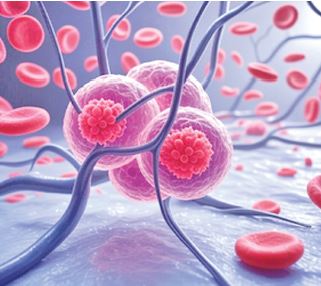
Researchers have developed microscopic metal particles that show promise in targeting cancer cells while leaving healthy tissue largely unharmed, opening a potential pathway for more precise and less toxic cancer treatments. The study, conducted by a team at the Royal Melbourne Institute of Technology (RMIT) in Australia, is still at the cell-culture stage and has not yet been tested in animals or humans, Xinhua news agency reported.
The innovation revolves around tiny particles called nanodots, created from molybdenum oxide, a compound derived from the rare metal molybdenum. Molybdenum is commonly used in electronics and metal alloys. By carefully adjusting the chemical composition of the nanodots, the researchers enabled them to release reactive oxygen molecules, unstable forms of oxygen that can damage cancer cells and trigger a process of self-destruction.
In laboratory tests, these nanodots destroyed three times more cervical cancer cells than healthy cells within 24 hours. Notably, this effect occurred without the need for light activation, which is unusual for oxidative-stress-based technologies, according to the study published in the journal Advanced Science.
“Cancer cells already live under higher stress than healthy ones. Our particles push that stress a little further, enough to trigger self-destruction in cancer cells, while healthy cells cope just fine,” said Zhang Baoyue, first author from the RMIT School of Engineering. He added that the result was a method to selectively generate oxidative stress in cancer cells under laboratory conditions.
Most conventional cancer treatments, including chemotherapy and radiation, affect both cancerous and healthy tissue, often causing significant side effects. By contrast, technologies that selectively target cancer cells could lead to gentler and more precise therapies, researchers said.
An additional advantage of these nanodots is that they are made from common metal oxides rather than costly or potentially toxic noble metals such as gold or silver. This could make them cheaper and safer to produce, facilitating broader accessibility if future studies confirm their effectiveness.
While these findings remain at the preliminary stage, they represent a potential new approach in cancer therapy—exploiting the inherent vulnerabilities of cancer cells to selectively trigger their death, sparing healthy tissue. Further research, including animal and human trials, will be necessary to determine whether these nanodots can safely and effectively translate into real-world treatments.
Protests in Jakarta, Yogyakarta and Bandung brought students onto the streets over rising costs, forest fires and civil...

Organisations linked to Neville Roy Singham are under US congressional scrutiny over funding. Their coverage of protests in...

US President Donald Trump says Washington and New Delhi are close to a trade agreement that will differ...

Iran has ruled out transferring its enriched uranium stockpile outside the country, with security official Mohsen Rezaei reiterating...

Donald Trump has urged Volodymyr Zelensky to pursue a peace deal with Russia, warning that Ukraine could face...

Pakistan, battling insurgencies at home and tensions along multiple borders, is too overstretched to offer meaningful military support...

Aries: The day will be auspicious...