Last Updated: October 21, 2026
Last Updated: October 21, 2026





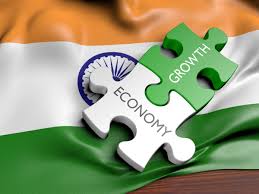
India’s digital payments landscape has witnessed exponential growth over the past decade, reshaping the way citizens transact. From small roadside vendors to large retail chains, digital transactions have become deeply embedded in everyday economic life.
A significant driver of this transformation has been the Unified Payments Interface (UPI), which allows instant bank-to-bank transfers through mobile applications. The simplicity of scanning QR codes and transferring money within seconds has revolutionized consumer behavior. Street vendors, auto drivers, and small shopkeepers now prominently display QR codes, enabling cashless payments even for small purchases.
Smartphone penetration and affordable data services have further accelerated adoption. With millions of Indians gaining access to internet-enabled devices, digital financial services have reached previously underserved populations. The integration of digital wallets, banking apps, and payment platforms has created a seamless ecosystem.
Government efforts toward financial inclusion have complemented this digital push. The expansion of bank accounts under national inclusion schemes has provided a foundation for digital transactions. Direct benefit transfers into bank accounts have encouraged citizens to engage with formal financial systems, reducing leakages and enhancing transparency.
For businesses, digital payments offer clear advantages. They simplify accounting, reduce the risks associated with cash handling, and provide transaction records that can facilitate access to credit. Small enterprises, particularly in urban and semi-urban areas, benefit from easier customer interactions and improved financial management.
The COVID-19 pandemic further accelerated the shift. Concerns over physical contact increased preference for contactless payments. Even consumers who previously relied heavily on cash began adopting digital modes during lockdown periods, and many have continued to do so.
However, rapid digitization has brought challenges. Cybersecurity threats, phishing scams, and data breaches have become pressing concerns. Users with limited digital literacy may fall victim to fraudulent schemes. Strengthening digital awareness and robust security protocols remains critical to sustaining trust in the system.
Another concern is the digital divide. While urban centers have embraced digital payments enthusiastically, certain rural regions still face connectivity issues and limited digital literacy. Bridging this gap requires sustained investment in infrastructure and education.
Fintech startups have flourished in this environment. Innovative platforms offering buy-now-pay-later services, micro-loans, and integrated financial tools are expanding rapidly. Collaboration between traditional banks and fintech firms is fostering innovation while ensuring regulatory oversight.
Digital payments have also contributed to greater tax compliance and economic transparency. Electronic records make transactions traceable, potentially reducing unaccounted cash flows. This shift supports broader efforts to formalize segments of the economy.
Looking forward, emerging technologies such as artificial intelligence and blockchain may further transform digital finance. Voice-enabled payments in regional languages could enhance accessibility, while enhanced fraud detection systems may strengthen security. India’s digital payments revolution represents more than technological adoption; it signals a cultural shift in financial behavior. As trust in digital systems grows and infrastructure improves, cashless transactions are likely to become even more widespread, reinforcing India’s position as a global leader in digital financial innovation.
We are very proud that at present India is the number one country in the world by surpassing...

Every investor wants the wealth-creating power of equity and the reassuring stability of debt. Balanced Advantage Funds attempt...

Tourism is a major source of government revenue in our country. There are different types of tourism. Scenic...
Good Evening Viewers! Catch up on the day's biggest stories with The Savera Times Evening Bulletin. Get the...

Congress leaders continued their protest outside the Jaipur Police Commissionerate on Tuesday, demanding the registration of a zero...
On the auspicious occasion of Vijayadashami, Prime Minister Narendra Modi on Tuesday called on the countrymen to unite...
Aries: The day will be auspicious...