Last Updated: November 10, 2026
Last Updated: November 10, 2026





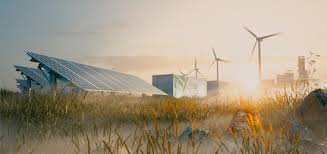
Renewable energy has moved from the margins to the centre of global energy planning. As concerns about climate change, energy security, and pollution intensify, countries are increasingly turning to renewable sources such as solar, wind, and hydropower. This transition represents a significant shift in how energy is produced, distributed, and consumed.
Solar energy has seen rapid growth due to falling costs and scalable technology. Large solar parks contribute significantly to national grids, while rooftop installations allow households and businesses to generate their own electricity. Decentralised solar systems are particularly valuable in remote areas, where grid access is limited or unreliable. They support lighting, irrigation, and small enterprises, improving livelihoods.
Wind energy complements solar by generating power during different times and seasons. Coastal regions and open plains offer strong wind potential, enabling large-scale installations. Advances in turbine technology have increased efficiency and reduced land use impacts. When integrated effectively, wind and solar together provide a more stable renewable energy supply.
Hydropower remains an important renewable source, though it presents environmental and social challenges. Large dams can disrupt ecosystems and displace communities, while small hydropower projects offer more localised benefits with fewer impacts.
Catch up on the biggest developments of November 10 with The Savera Times Evening Wrap, bringing you the...

BJP leader and senior advocate HS Phoolka criticised Sonia Gandhi over her memoir's account of the delay in...

Union Health Minister JP Nadda arrived in Colombo to attend the first BIMSTEC Health Ministers’ Meeting, where member...
The Ladakh administration has announced December 4 as the polling date for elections to all eight Autonomous Hill...
The ECI has directed retired government officials working in various capacities to maintain political neutrality during the Model...
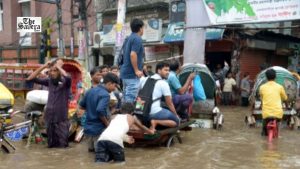
India has strongly criticised Chinese vloggers accused of filming poor neighbourhoods in Dhaka, Bangladesh, and falsely presenting them...
Aries: The day will be auspicious...