Last Updated: October 18, 2026
Last Updated: October 18, 2026





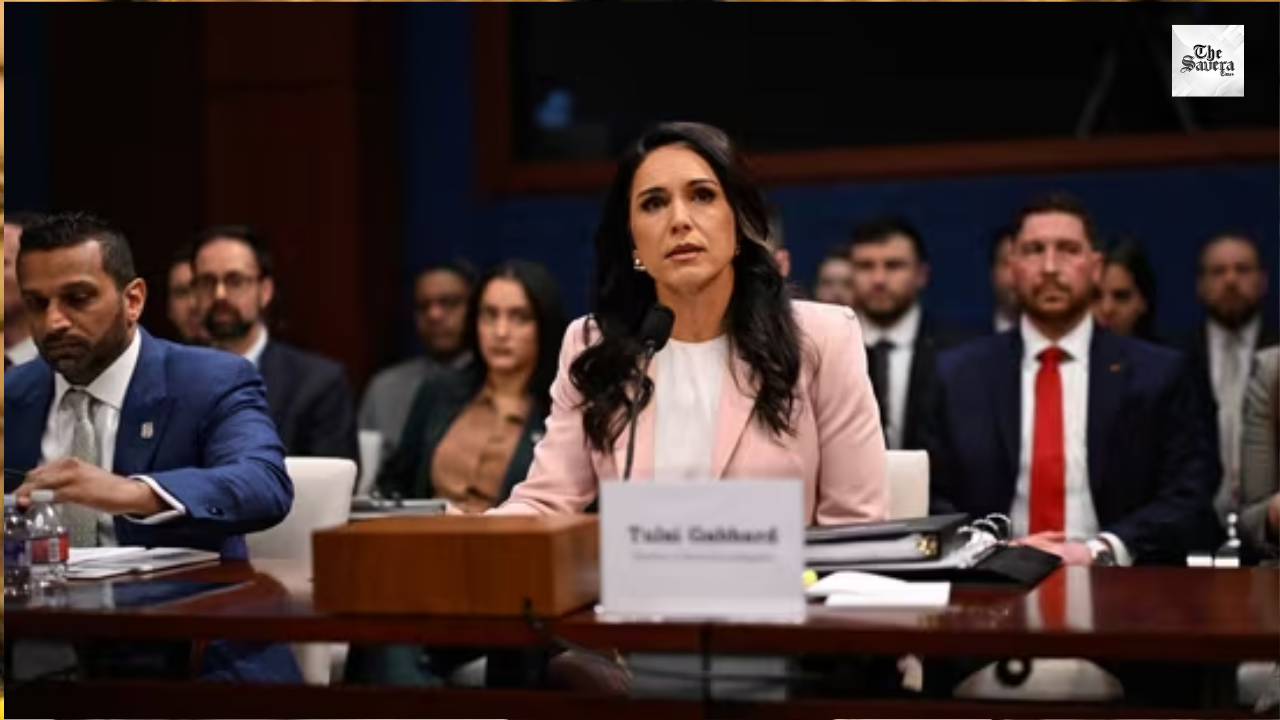
The Donald Trump administration is facing growing scrutiny after apparent contradictions emerged in its justification for the ongoing Iran war. While President Donald Trump repeatedly claimed that US strikes had “obliterated” Iran’s nuclear capabilities, officials within his own administration have raised doubts about whether Iran posed an “imminent threat” at all.
This contradiction has triggered political debate in Washington, as critics question whether the war narrative was based on consistent intelligence assessments or shifting political messaging.
During a Senate intelligence hearing, Director of National Intelligence Tulsi Gabbard declined to confirm that Iran posed an immediate or imminent nuclear threat. She stated that determining such a threat ultimately lies with the president, not the intelligence community.
However, this stance appeared to contradict earlier White House claims that the war was necessary to counter an urgent danger. Intelligence assessments presented to lawmakers suggested that Iran’s nuclear program had been significantly damaged and was not actively being rebuilt.
The controversy intensified after senior counterterrorism official Joe Kent resigned in protest. Kent argued that Iran did not pose an imminent threat and suggested that the war decision may have been influenced by political pressures rather than clear intelligence.
His resignation exposed internal divisions within the administration, with some officials backing the president’s stance while others questioned the justification for military action.
US lawmakers, including both Democrats and some Republicans, have raised concerns about transparency and consistency in the administration’s messaging. Senators pressed officials on why intelligence findings appeared to differ from public statements used to justify the war.
Critics argue that presenting Iran as both “neutralized” and simultaneously an “imminent threat” creates confusion and undermines credibility. The issue has also fueled broader debates over executive authority in military decisions.
Despite the controversy, the conflict continues, with US officials maintaining that Iran remains a serious strategic threat even if its capabilities have been weakened. The Iranian regime is described as “degraded but intact,” indicating that the situation remains volatile.
The debate over conflicting claims highlights the complexity of modern warfare narratives, where intelligence, politics, and global strategy often intersect—sometimes inconsistently.
A major fire at Canadian Forces Base Wainwright in Alberta has left several people dead and others injured....
Paris: France witnessed widespread unrest on Saturday as demonstrations over the rising cost of living, deteriorating public services...
Azad M. Madni, an Indian-American engineer and USC professor who grew up in Mumbai, has won the 2026...

Nairobi: Kenya’s Ministry of Health on Saturday confirmed four new cases of Ebola Bundibugyo virus disease, bringing the...

Increasing Houthi attacks on Saudi Arabia are testing Pakistan’s ability to defend Riyadh without affecting its ties with...
Nepal is seeking substantial financial assistance from India ahead of Prime Minister Balendra Shah’s proposed visit to New...
Aries: The day will be auspicious...