Last Updated: October 12, 2026
Last Updated: October 12, 2026





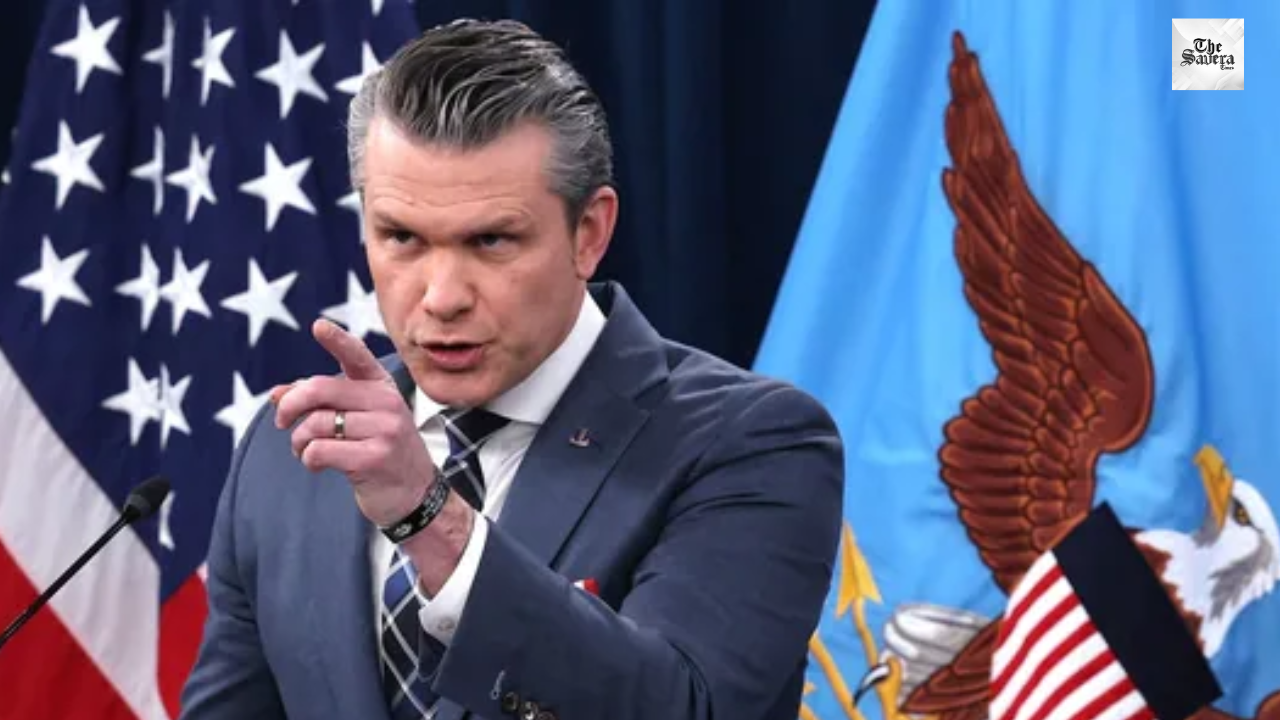
The Donald Trump administration has moved to significantly expand the financial scope of the ongoing Iran war, with the Pentagon seeking around $200 billion from Congress to sustain military operations. This request, sent to the White House and expected to reach lawmakers soon, would be one of the largest emergency defense funding proposals in recent years.
Officials say the funds are needed not only to continue strikes but also to replenish weapons, ammunition, and military equipment used in the conflict. The war, which began in late February 2026, has already consumed billions of dollars in a short span.
According to US defense estimates, the first phase of the war alone cost over $11 billion within days. Since then, the scale of operations has expanded significantly, including thousands of airstrikes and combat missions targeting Iranian military infrastructure.
If approved, the additional $200 billion would push total war spending to levels comparable to nearly half of Iran’s annual GDP, highlighting the massive economic implications of the conflict.
The funding request is expected to face intense scrutiny in Congress. Lawmakers from both parties are demanding clarity on the long-term strategy, costs, and objectives of the war before approving such a large sum.
While some Republicans support additional funding to maintain military strength, others are concerned about rising federal spending. Democrats, on the other hand, have questioned whether the war itself had proper congressional authorization and whether the financial burden is justified.
US Defense Secretary Pete Hegseth has indicated that there is currently no fixed timeline for ending the war. He emphasized that the mission targeting Iran’s military and nuclear capabilities—remains ongoing and dependent on strategic outcomes rather than deadlines.
This uncertainty has raised concerns among policymakers and global observers, especially as the conflict continues to expand across the Middle East.
The war has already begun affecting global markets, particularly oil and gas prices, due to disruptions in the Strait of Hormuz and regional instability. At the same time, Iran has criticized the massive US spending, calling it unsustainable and warning of broader economic consequences.
With continued military escalation and financial demands, the US-Iran conflict is shaping up to be not just a geopolitical crisis but also a major economic challenge with global repercussions.
US President Donald Trump is scheduled to attend the ASEAN summit in Manila on November 16 before travelling...
An Indian national injured in the October 10 attack on Riyadh’s King Khalid International Airport has died, taking...

Ukrainian President Volodymyr Zelenskyy says he was unaware of Donald Trump’s announcement of an immediate energy ceasefire between...

Colombian businessman Alvaro Pulido Vargas has been arrested in Florida over two US federal cases involving alleged bribery...

Republican Senator Thom Tillis has questioned the legality of Trump's Russian diesel deal, while John Barrasso defended it...

Bangladesh is grappling with mounting stagflationary pressures as persistently high inflation, weak economic growth, subdued private investment and...
Aries: The day will be auspicious...