Last Updated: October 18, 2026
Last Updated: October 18, 2026





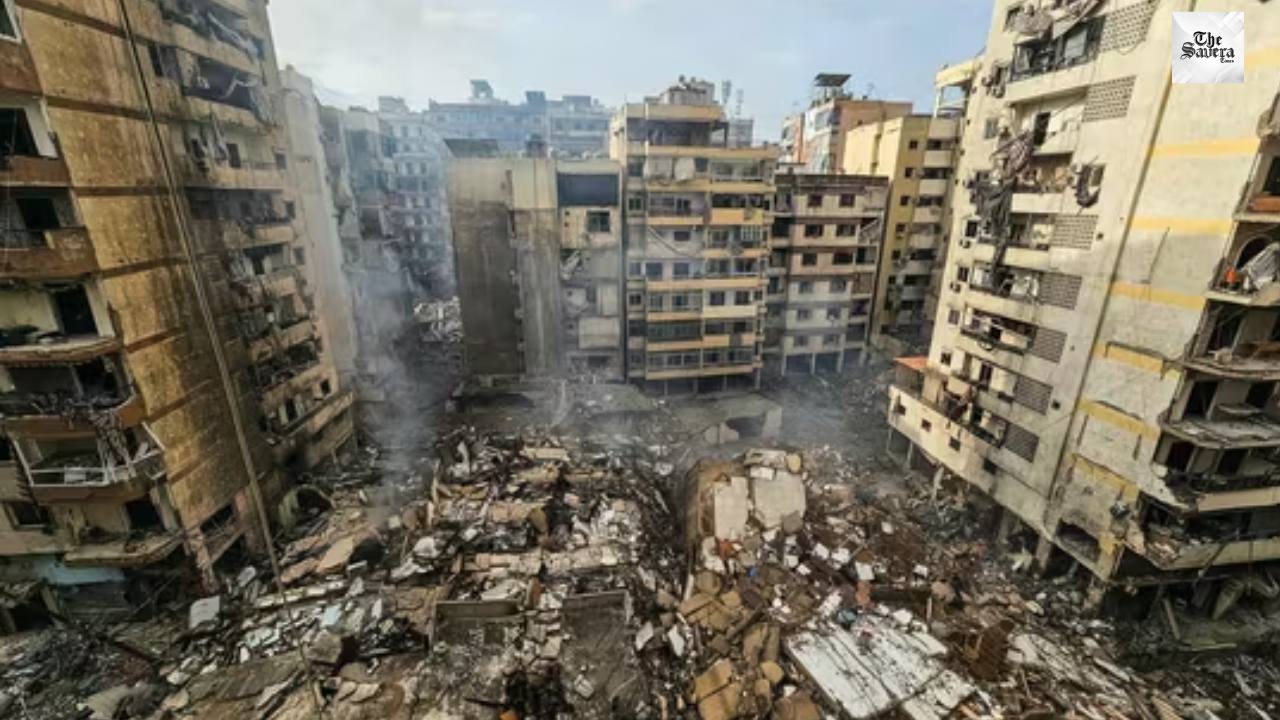
The ongoing conflict between the United States and Iran has intensified after former US President Donald Trump warned that Washington could carry out another strike on Iran’s strategic Kharg Island, a crucial hub for the country’s oil exports.
According to reports, the US had earlier conducted large-scale airstrikes targeting more than 90 Iranian military facilities on the island. These included missile depots, naval bases, air-defense systems and military infrastructure. The operation was described by US officials as a precision strike aimed only at military targets while deliberately avoiding damage to the oil export facilities.
Kharg Island plays a vital role in Iran’s economy because a major portion of its crude oil exports passes through the terminal located there. The attack therefore carries both military and economic significance.
Trump has now indicated that further strikes remain possible if Iran continues military retaliation or threatens international shipping routes in the Gulf region.
Amid escalating tensions, loud explosions were reported in Manama, the capital of Bahrain. The blasts occurred as Iran continued missile and drone attacks across the Gulf region targeting US-allied locations.
Authorities in Bahrain said the country has intercepted more than 125 missiles and over 200 drones since Iran began launching strikes in response to the US-Israel campaign against Tehran. The attacks have resulted in casualties and heightened security alerts across several Gulf states.
The expanding conflict has raised fears that more countries in the Middle East could become involved.
The war, which began after US and Israeli forces launched coordinated airstrikes on Iran in late February, has now spread beyond Iran’s borders. Several countries in the region have experienced missile strikes, drone attacks and military alerts.
Recent developments include:
Drone attacks targeting a military base near Baghdad airport.
Missiles launched toward US forces stationed in Saudi Arabia.
Drone strikes affecting Kuwait International Airport’s radar system.
The situation has disrupted aviation, shipping and oil trade routes across the Gulf.
Iran has warned that any attack on its energy infrastructure could lead to retaliation against oil and gas facilities linked to the US and its allies. At the same time, Tehran said the Strait of Hormuz remains open to most countries, though tensions have caused many ships to avoid the area.
The strait is one of the world’s most critical shipping routes for oil, and any disruption could significantly affect global energy markets.Growing International Concern
Global leaders have expressed concern over the rapidly escalating conflict. Military deployments are increasing, with additional forces sent to the region to protect strategic assets and shipping lanes.
Diplomatic efforts to negotiate a ceasefire have so far failed, raising fears that the war could widen further and destabilize the entire Middle East.
A major fire at Canadian Forces Base Wainwright in Alberta has left several people dead and others injured....

Paris: France witnessed widespread unrest on Saturday as demonstrations over the rising cost of living, deteriorating public services...

Azad M. Madni, an Indian-American engineer and USC professor who grew up in Mumbai, has won the 2026...

Nairobi: Kenya’s Ministry of Health on Saturday confirmed four new cases of Ebola Bundibugyo virus disease, bringing the...

Increasing Houthi attacks on Saudi Arabia are testing Pakistan’s ability to defend Riyadh without affecting its ties with...
Nepal is seeking substantial financial assistance from India ahead of Prime Minister Balendra Shah’s proposed visit to New...

Aries: The day will be auspicious...