Last Updated: October 20, 2026
Last Updated: October 20, 2026





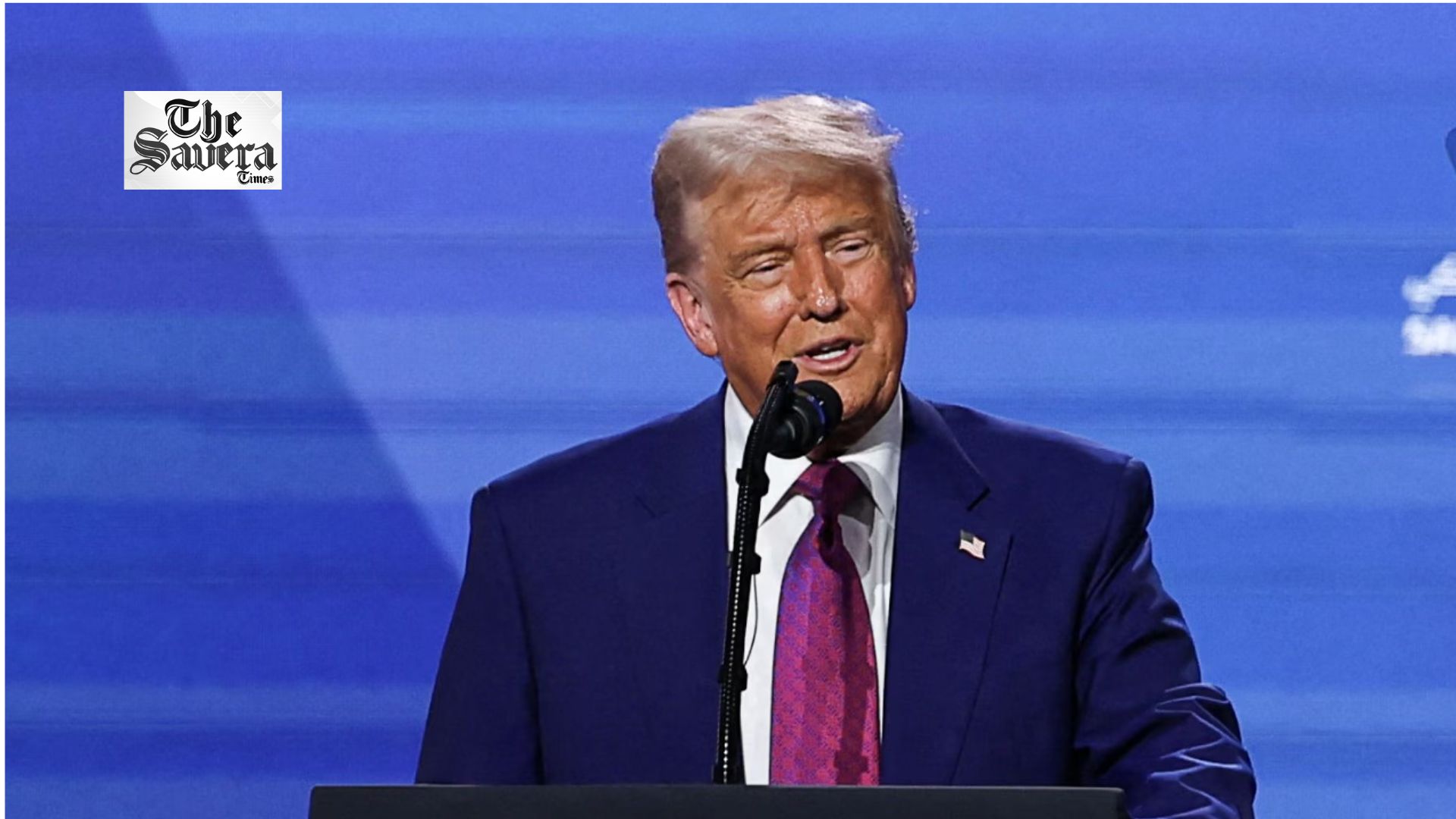
Midterm elections are scheduled to take place in the United States later this year. Early voting will begin in several states during the final days of October, and the full results will be revealed once the electoral process concludes. President Donald Trump is currently serving his second four-year term. These midterm elections will serve as a test of Trump’s political standing. While his presidency itself is not at risk, a defeat for his party in the midterms would undoubtedly diminish his political clout. Consequently, Trump would no longer be able to act as arbitrarily regarding tariffs and the initiation of conflicts. He would face stiff opposition from the Democrats on issues such as tariffs, visas, and other major policy decisions. As of now, 80 percent of the Republican and Democratic candidates for the midterm elections have been finalized. The clamor of the election campaign is in full swing. An Ipsos (AAPI) survey suggests there is a 65 percent probability that Trump’s Republican Party will face defeat. Although Trump would retain the presidency even in the event of a loss, his assertive stance would certainly be tempered. The fanfare and momentum that accompanied Trump’s election as U.S. President two years ago have dissipated. What are the major challenges that have eroded Trump’s standing? Foremost among them is the conflict with Iran. The conflict is dragging on; despite repeated announcements of ceasefires, hostilities continue. The Strait of Hormuz is not fully open, nor has the U.S. received any assurance from Iran regarding the complete cessation of its nuclear program. Even more significant is the fact that this conflict has disrupted global supply chains, caused investment instability, and imposed a heavy financial burden on ordinary Americans due to the massive U.S. expenditure involved. Surveys indicate that this has led to increased transportation costs and rising prices for everyday commodities. Furthermore, the data shows that 20 percent of voters have turned away from Trump’s party specifically due to the issue of the conflict with Iran. The average American did not appreciate the projection of power abroad coupled with rising inflation at home. However, an even bigger issue is the faltering economy and rising inflation, which have frustrated 54 percent of voters. Only 32 percent of Americans approve of the way Trump is managing the economy. Fifty-nine percent are concerned about the deteriorating economic situation, while 65 percent describe the rising cost of living as unbearable. Forty-eight percent believe that if the current trend continues, the economy will worsen further next year. Currently, Trump’s approval rating has dropped to 32 percent. In such a scenario, how will Donald Trump win the midterms? Another significant factor is that 61 percent of Americans oppose Trump’s immigration policies. When Trump assumed office for his second term, 49 percent of people supported his strict immigration stance; that figure has now fallen to just 39 percent. Support for this policy has declined by 9 percent even among Republican voters. Consequently, surveys indicate a 65 percent likelihood of Trump facing defeat in these midterm elections. Furthermore, if Trump acts arbitrarily regarding war or tariff policies, he faces the risk of impeachment. India, too, has received threats from Trump regarding the imposition of 100 percent tariffs due to its purchase of petroleum from Russia. If Congress enacts legislation to curb Trump’s decisions—potentially alongside impeachment proceedings—he would be unable to wield tariffs as a weapon. Any congressional move to halt indiscriminate funding or military action regarding a war with Iran would be deeply humiliating for Trump.
Iran's Islamic Revolutionary Guard Corps (IRGC) Navy claimed early Monday that an oil tanker, violating regulations, had struck...

Good Evening Viewers! Catch up on the day’s top headlines with The Savera Times Evening Bulletin, bringing you...

Amid ongoing protests and violence in Italy, the Indian Embassy on Monday issued an advisory for Indian citizens...

The judicial custody of Cockroach Janata Party (CJP) leaders Ashutosh Ranka and Saurav Das was extended by two...

The number of Ebola virus cases in Kenya has risen to eight. Health officials have confirmed that a...
Houthi rebels fired several ballistic missiles at a government army training camp in Yemen's Shabwa province on Monday.

Aries: The day will be auspicious...