Last Updated: November 7, 2026
Last Updated: November 7, 2026





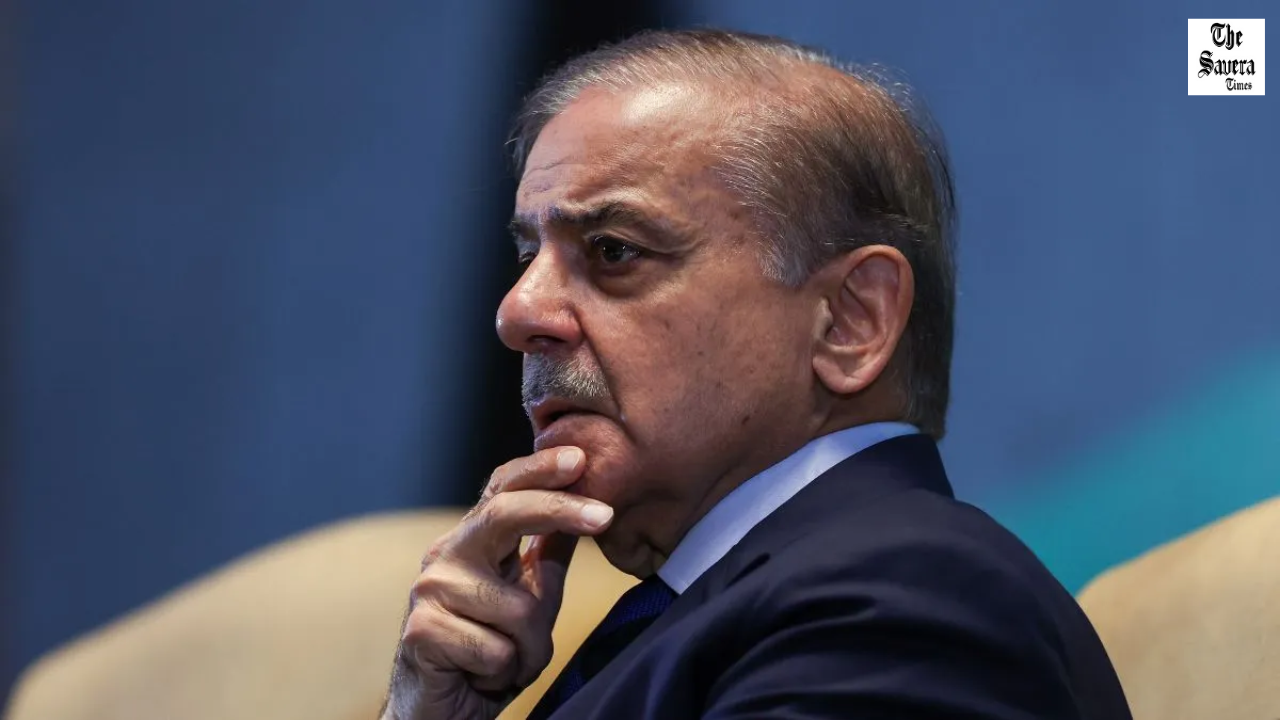
The United Arab Emirates (UAE) has reportedly scrapped its planned deal to operate and manage Islamabad International Airport a development that comes just days after UAE President Sheikh Mohammed bin Zayed Al Nahyan made a surprise visit to New Delhi. The move has raised eyebrows in geopolitical and diplomatic circles, especially given the timing of the announcement amid shifting regional alliances.
The initiative for the UAE to operate Islamabad International Airport was under discussion since August 2025, as part of broader plans to involve foreign investors in Pakistan’s infrastructure projects. However, the plans reportedly fell through after Abu Dhabi failed to appoint a local partner to take on the airport’s operations, leading to the collapse of negotiations.
Despite this, Pakistani officials have issued mixed responses, with the Privatization Commission clarifying that no formal lease or concession agreement was ever signed for the airport suggesting that reports of a cancelled contract are misleading. The commission said Islamabad is pursuing an open competitive bidding process to outsource operations at major airports, including Islamabad International Airport.
Though not officially linked to politics, the UAE’s withdrawal came shortly after President Sheikh Mohammed’s three-hour visit to India, where strategic, economic and defence ties were highlighted, including new agreements on energy and defence cooperation. This has sparked speculation about evolving regional alignments, with the UAE and India strengthening ties, even as UAE–Saudi relations have seen strains in recent months.
Some analysts interpret the development as part of broader diplomatic recalibration, potentially reflecting the UAE’s growing focus on deepening its partnership with India, a key strategic and economic partner in the region.
At the same time, Pakistan has been reinforcing its own regional ties, notably with Saudi Arabia, including defence partnerships designed to bolster security cooperation. These shifting dynamics underscore a complex geopolitical environment in South Asia and the Gulf, where alliances and strategic interests continue to evolve.
Pakistan had historically maintained strong relations with the UAE, including economic collaboration, labour links and investment. The abrupt change in direction on the airport project if confirmed may signal cooling trust between Islamabad and Abu Dhabi after decades of cooperation.
While several media reports have highlighted the UAE’s decision to pull out, the Pakistani Privatization Commission has directed that claims about a cancelled lease are inaccurate, noting that no formal deal existed to begin with. The focus remains on attracting foreign investment through an open bidding process for managing key airports including Islamabad, Karachi and Lahore.
Officials said the initiative to privatize airport operations is part of a broader effort to modernize Pakistan’s aviation sector by inviting international investors and improving infrastructure efficiency.
The reported UAE move to back out of the Islamabad airport project occurring in the immediate backdrop of the UAE president’s India visit highlights the changing contours of geopolitical relations in South Asia and the Gulf. With India–UAE ties deepening, and Pakistan exploring other strategic partnerships, regional engagement patterns could see further realignments in the months ahead.
A mural of Rabindranath Tagore at Bangladesh's Khulna Railway Station was defaced with black ink. Police have launched...

US President Donald Trump has described the confrontation with Iran as “not a war”, claiming Washington has made...

American governors and federal leaders celebrated Diwali while recognising the contributions of Indian Americans. President Donald Trump received...

Washington: A 30-year-old Venezuelan national was arrested near the White House after US Secret Service agents discovered three...

Washington: US President Donald Trump outlined plans for a sprawling aerospace exhibition venue at Florida’s former space shuttle...
Eight months after the US-Iran war, Iran has allowed Indian cargo ships to pass through the Strait of...

Aries: The day will be auspicious...