Last Updated: November 5, 2026
Last Updated: November 5, 2026





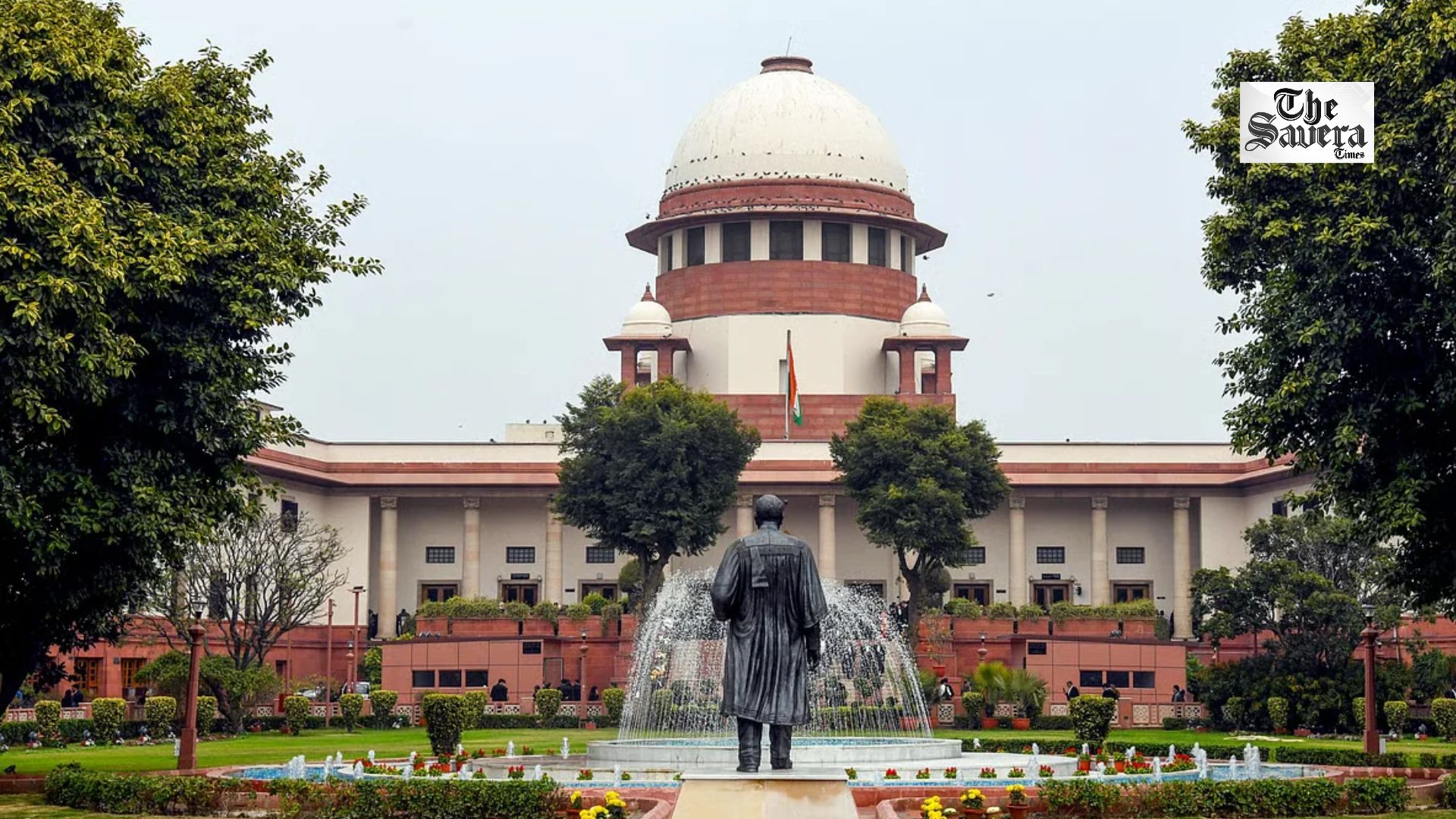
New Delhi: The Centre has assured the Supreme Court that it will take a decision to relook at the contentious University Grants Commission’s (UGC) rules on caste-based discrimination and will form a committee on the matter.
Speaking in the Supreme Court on Thursday, November 5, Solicitor General Tushar Mehta assured that no community of students would be put in jeopardy and “no section will feel that any such injustice have been taking place”.
A bench presided by the Chief Justice of India (CJI) Surya Kant litened to representations on the focus of the new rules and ensuring that no students were adversely affected. The CJI mentioned how all students should be protected and widening the focus to ensuring the country’s young advocates are protected.
This comes just months after the Supreme Court put in a stay on the new rules on January 29.
What happened at today’s Supreme Court hearing?
Advocate Vishnu Shankar Jain focused attention on the latest regulation defining caste based discrimination. The lawyer pointed out how the new laws should not assume that the discrimination only relates to a specific group.
“Of course, we seek to have a stay in this regard so discrimination is not assumed.
Wouldn’t it lead to something bad? The chief justice said in responds to Jain, asking what will happen when a student from the South comes to study in the North, or a student from the North comes to the South and faces rude or sarcastic comments when they are unaware of each others castes.
When will this be covered for, the CJI questioned. Jain explained this would be covered under section 3(e) of the new rules.
UGC Rules Don’t Name Ragging
Jain also mentioned how the new definition doesn’t mention ragging.
Another lawyer explained how the new framework effectively causes division in the universities.
“I really have more grave concerns. Are we sleeping on our back end to become a backward society after 75 years of becoming casteless?”, he questioned.
TW Salient points were made on issues students face attempting to enter new universities from different cultures and geographical areas, particularly in the South and Northeast.
Students will bring their culture and traditions with them to the regions they’re studying in and often comments from people who aren’t aware of their culture can hurt.
The CJI isn’t keen on caste-hostels.
“For gods sake there are inter-caste marriages. We’ve done hostels where we all live together”, said CJI.
Supreme Court asks Centre To Consider Create A Committee
During the hearing the Chief Justice mentioned how the court didn’t want to make an immediate judgement on the matter; however wanted to see the issues addressed.
Solicitor General Tushar Mehta was told to consider creating a committee consisting of prominent individuals to oversee the content of the new rules.
“The object of the rule needs to be that we as a society are getting ahead without any sense of discrimination”, the CJI added.
Mehta assured the court the centre would relook at the new rules with the interests of the students being protected.
Indira Jaising Draws Attention To Waiting Case Over 2012 UGC Rules
Senior advocate Indira Jaising drew attention to the fact there is a case awaiting ruling due to the 2012 UGC rules. This case has been waiting since 2019.
As the previous rules are being replaced by new ones in 2026, the lawyer pointed out this should be considered.
The CJI said that he could not look further back into the 2012 rules but reiterated that there shouldn’t be any segregation.
Why were the 2026 UGC Rules challenged?
The University Grants Commission notified new rules titled Promotion of Equity in Higher Education Institutions Regulations, 2026 on January 13. They aimed to tackle the issue of discrimination in college and university settings by providing a complaint process.
However, they were criticised for the definition of caste-based discrimination. Petitioners highlighted that while the rules mentioned students from Scheduled Castes (SC), Scheduled Tribes (ST) and Other Backward Classes (OBC) were being discriminated against, this didn’t apply the same to students from the general category.
The new rules were challenged due to being discriminatory and divisive. The Supreme Court stopped the new 2026 rules applying from coming into force on January 29 due to the uncertainty of some of the stipulations and issues they can cause. The 2012 UGC rules have been told to continue until further notice.
The very latest hearing has caused the new review tear to come back into play, with the Centre now considering forming a committee. However, the challenge remains with the Supreme Court.
New Delhi: Quick commerce platform Blinkit on Thursday introduced a flat fee of Rs 2,500 for non-emergency ambulance...

Uttarakhand Chief Minister Pushkar Singh Dhami has approved a 3 per cent Dearness Allowance hike for state employees,...
New Delhi: The construction work underway in a now-collapsed building in Delhi’s Chawri Bazar area was illegal, and...

Catch up on the latest updates with The Savera Times Afternoon Bulletin, covering top news from Punjab, India...

New Delhi: The Election Commission of India (ECI) on Thursday announced a detailed timeline for conducting the Special...
New Delhi: The Election Commission of India (ECI) on Thursday announced a detailed timeline for conducting the Special...
Aries: The day will be auspicious...