Last Updated: November 10, 2026
Last Updated: November 10, 2026





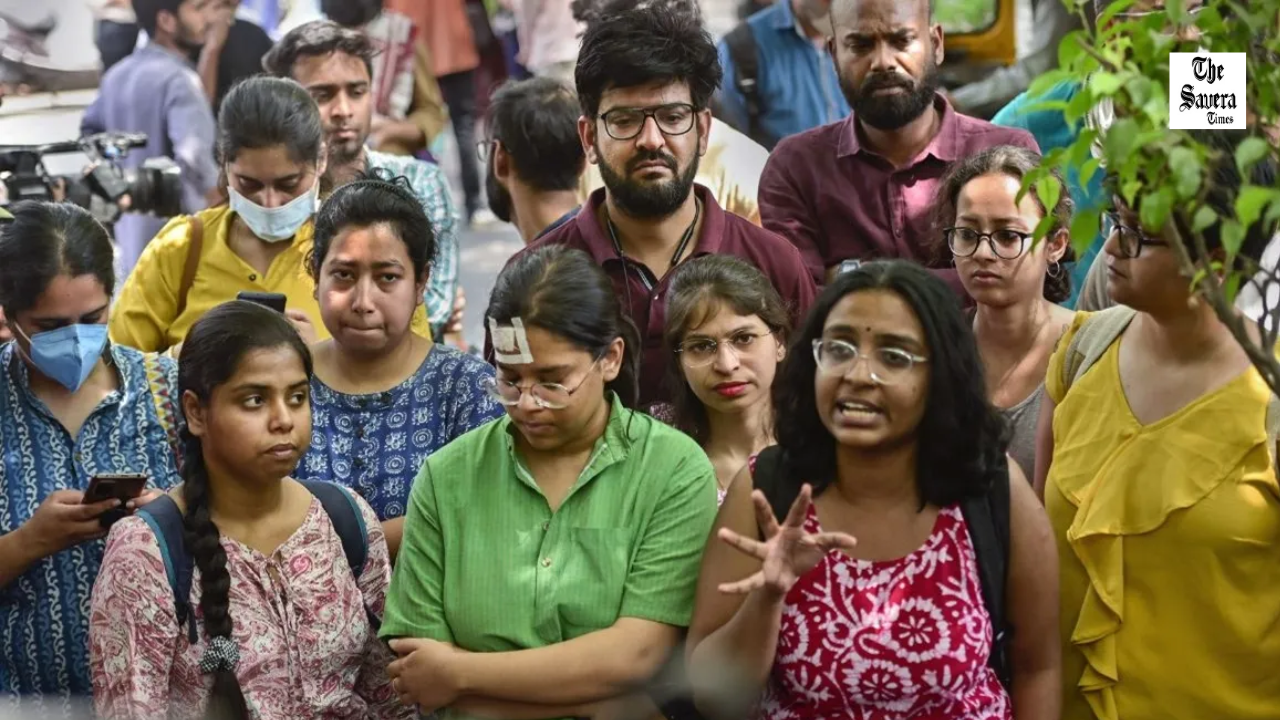
With protests intensifying against the University Grants Commission’s (UGC) new equity regulations, the Government of India has begun consulting legal experts to review the controversy and address mounting concerns raised by students and critics across the country. The UGC’s Promotion of Equity in Higher Education Institutions Regulations, 2026 were notified on January 13, 2026, but have since triggered widespread opposition especially among general category students who allege potential bias and misuse.
The UGC’s equity regulations aim to curb caste‑based discrimination in colleges and universities by making it mandatory for higher education institutions to:
Establish Equal Opportunity Centers and Equity Committees
Form Equity Squads for monitoring
Provide 24×7 helpline and redressal mechanisms
These mechanisms are intended to make campuses safer and more inclusive, particularly for students from Scheduled Castes (SC), Scheduled Tribes (ST), Other Backward Classes (OBC), women and persons with disabilities.
Since the new regulations were notified, student protests have grown in Delhi and other cities, with demonstrations held outside the UGC headquarters and on several university campuses. Many protesters largely from upper‑caste or general category groups argue that the regulations could create chaos on campuses and lack meaningful safeguards for students wrongly accused of discrimination. According to student voices, the rules shift the burden of proof to the accused and do not mandate representation for general category students on Equity Committees.
Speakers at protests have described the regulations as “draconian” and warned that proposed Equity Squads may resemble “constant surveillance” within campuses.
In response to the uproar, the Central government has initiated consultations with legal experts to examine complaints and ensure the regulations are legally sound, clear misinformation and possibly recommend adjustments to address valid concerns. Officials are expected to review constitutional aspects, procedural safeguards and issues of fairness, in light of arguments that the current framework could lead to misuse or unintended consequences.
The move to seek expert opinion also comes as a Public Interest Litigation (PIL) challenging the rules is pending before the Supreme Court of India, where petitioners argue that the regulations may violate fundamental rights and lack balanced protections for all students.
The controversy has transcended student circles, drawing political attention and bureaucratic responses. Several leaders and commentators have criticized or supported the regulations, highlighting the deep divide over how educational institutions should address discrimination. In some states, protests and resignations including by educational officials have added to the pressure for reconsideration of the rules.
Supporters of the regulations emphasize that the rules are necessary to ensure equal opportunities and justice for historically marginalized students. Critics, on the other hand, argue that procedural ambiguity and lack of safeguards could undermine fairness and campus harmony.
Several fires were reported in Mohali district on Diwali night due to firecrackers and fireworks. A total of...

Air quality in the capital Delhi saw a slight improvement on Tuesday morning. According to data from the...
There are multiple agencies which are burning the midnight oil to put an end to the drug menace...

Diwali was celebrated with great enthusiasm in the country. There was happiness on the faces of the countrymen....

Prime Minister Narendra Modi held a phone conversation with Ukrainian President Volodymyr Zelenskyy and reaffirmed India's readiness to...

Trinamool Congress MLA Pareshram Das was arrested by Baruipur Police at Kolkata airport in connection with a rape...
Aries: The day will be auspicious...