Last Updated: November 13, 2026
Last Updated: November 13, 2026





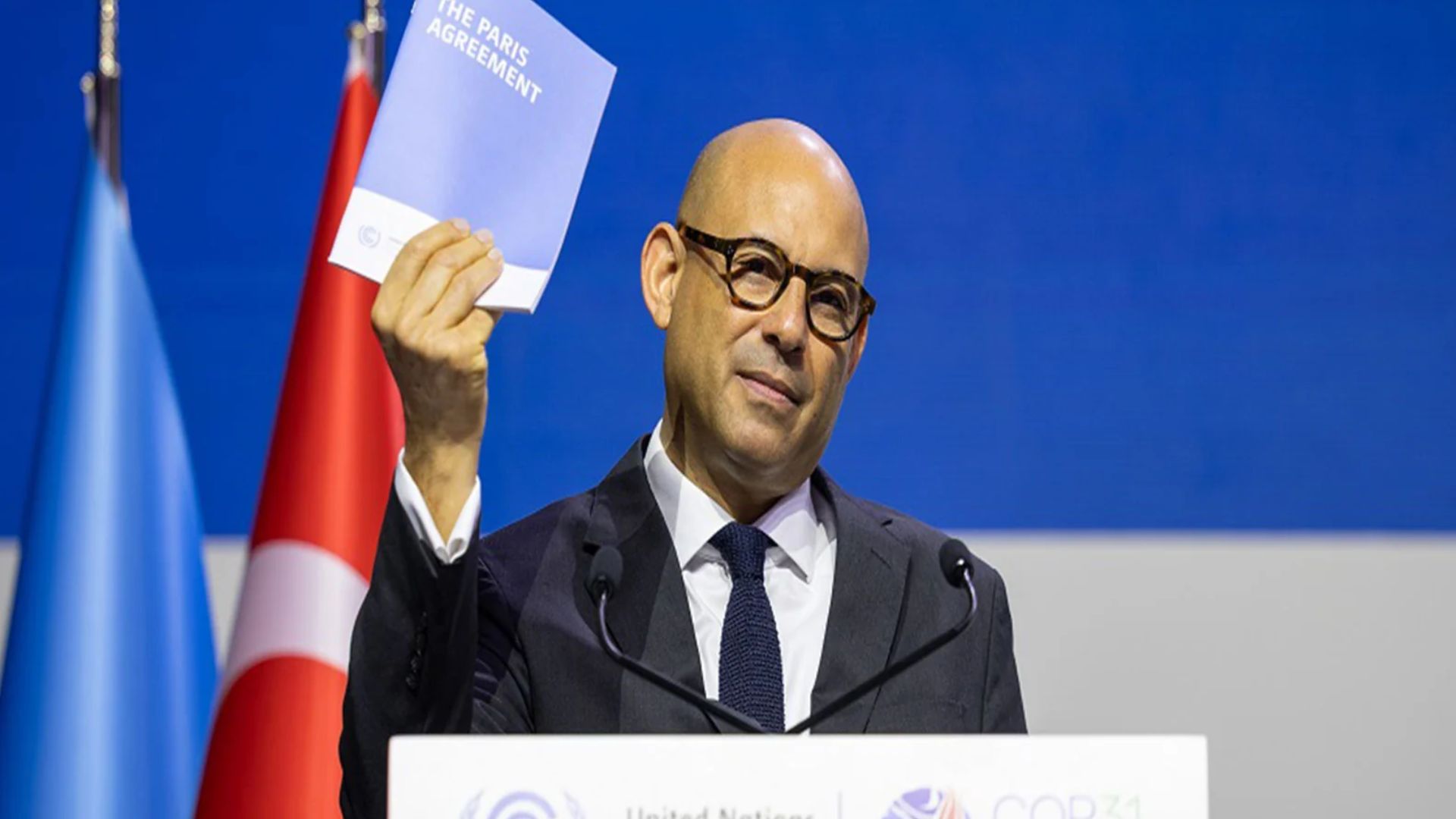
New Delhi: UN Climate Chief Simon Steele has supported Prime Minister Narendra Modi’s statement that India’s investments in clean energy helped secure the country’s economic growth despite the surge in global oil prices. Steele described PM Modi’s comments as extremely important and relevant in the current context.
Simon Steele, who is leading the international climate negotiations at COP31, acknowledged that the world is currently facing a global crisis related to fossil fuel prices. The rising cost of fossil fuel imports is fueling inflation in economies worldwide.
In a written interview with ANI during the ongoing COP31 conference in Antalya, Steele also praised India’s Green Energy Corridor. He described it as a major step forward, saying it will significantly benefit India’s people and economy in the future.
COP31 is the 31st UN Climate Change Conference, being held in Antalya, Turkey, from November 9 to 20, 2026. The Turkish presidency of the conference has proposed a global 35-by-35 electrification pledge.
Green Energy Corridors Will Majorly Benefit India
Simon Steele said that electrification, i.e., shifting energy use to electricity, can help countries reduce both energy costs and pollution. This requires renewable energy and a better power grid. This will improve people’s health and reduce energy bills.
He said, “Prime Minister Narendra Modi’s recent announcement of a Green Energy Corridor to strengthen the grid and battery storage is a major step. This will greatly benefit India’s people and economy.”
Steele further stated that focusing on clean energy, along with electrification, can protect economies from the fluctuations caused by dependence on fossil fuels. He said that PM Modi’s comments on the role of clean energy investment in securing India’s economic growth despite the oil price crisis are highly relevant.
Indeed, while addressing the India Renewable Energy Summit and Expo 2026 on November 2nd, Prime Minister Modi stated that India is in a better position despite the global oil crisis. He stated that if India had not invested in clean energy over the past decade and developed new systems for it, the country’s crisis could have been much more severe than in the rest of the world.
Emphasis on Practical Solutions at COP31
When asked about the priorities of COP31, Steele said that the objective of this conference is to advance practical solutions that directly impact the daily lives of ordinary people.
He said that this time, more attention is being paid to practical measures to fulfill the promises and targets already made by countries. To this end, two parallel and complementary paths are being pursued under the framework of dialogue and the Global Climate Action Agenda.
According to Steel, ambitious decisions on issues such as emission reduction, addressing the impacts of climate change, climate finance, and a just transition can help countries deliver on their promises.
He stated that the Action Agenda is bringing together governments, businesses, investors, cities, and regions to rapidly address climate change challenges. These include promoting electricity-based energy systems, reducing waste, and controlling methane emissions. Methane is a highly potent pollutant, with an impact on global warming that can be up to 80 times greater than carbon dioxide.
Meeting 75% of energy demand with electricity is possible
Simon Steel stated that with the technologies available today, up to 75% of the world’s total energy demand can be met through electricity.
He stated that the technology already exists. The need now is to rapidly implement these technologies and make them accessible to as many countries and communities as possible. It is also crucial to expand electricity access in areas that currently lack adequate electricity.
Concern expressed over floods and climate change in the Himalayas
Regarding the floods in the Bhotekoshi region of Nepal, Steele said that this disaster is a stark reminder of how vulnerable the mountain environment is. The Hindu Kush Himalayan region, in particular, is extremely vulnerable to the threats of climate change.
A proposal from Nepal and Bhutan to create a separate climate agenda for the Himalayas failed to make it onto the formal agenda of COP31. The proposal did not receive support from major developed countries and negotiating groups.
When asked about this, Steele said that scientists and local communities have been warning about the growing threat of climate change to the Himalayas for many years. The Himalayas are a precious resource of natural and cultural heritage. However, he did not wish to comment in advance on what further steps will be taken on this issue. He warned that every small increase in temperature and every year spent above the 1.5°C limit is crucial.
Shagun The world may find it significantly more expensive to limit global warming if it relies almost entirely...

If India and Pakistan could adopt a path of friendship instead of hostility, Pakistan would benefit more than...

India and Pakistan present two contrasting cases in the fight to eradicate poverty. While India made eliminating poverty...

For many young people, the climate crisis is not a distant concern or a problem for future generations....

India and the United States are strengthening cooperation to track drugtrafficking networks and prevent chemicals used to manufacture...

Wealthier farmers exploit most of the groundwater resources, while poorer ones replenish it, a new study by researchers...

Aries: The day will be auspicious...