Last Updated: November 27, 2026
Last Updated: November 27, 2026





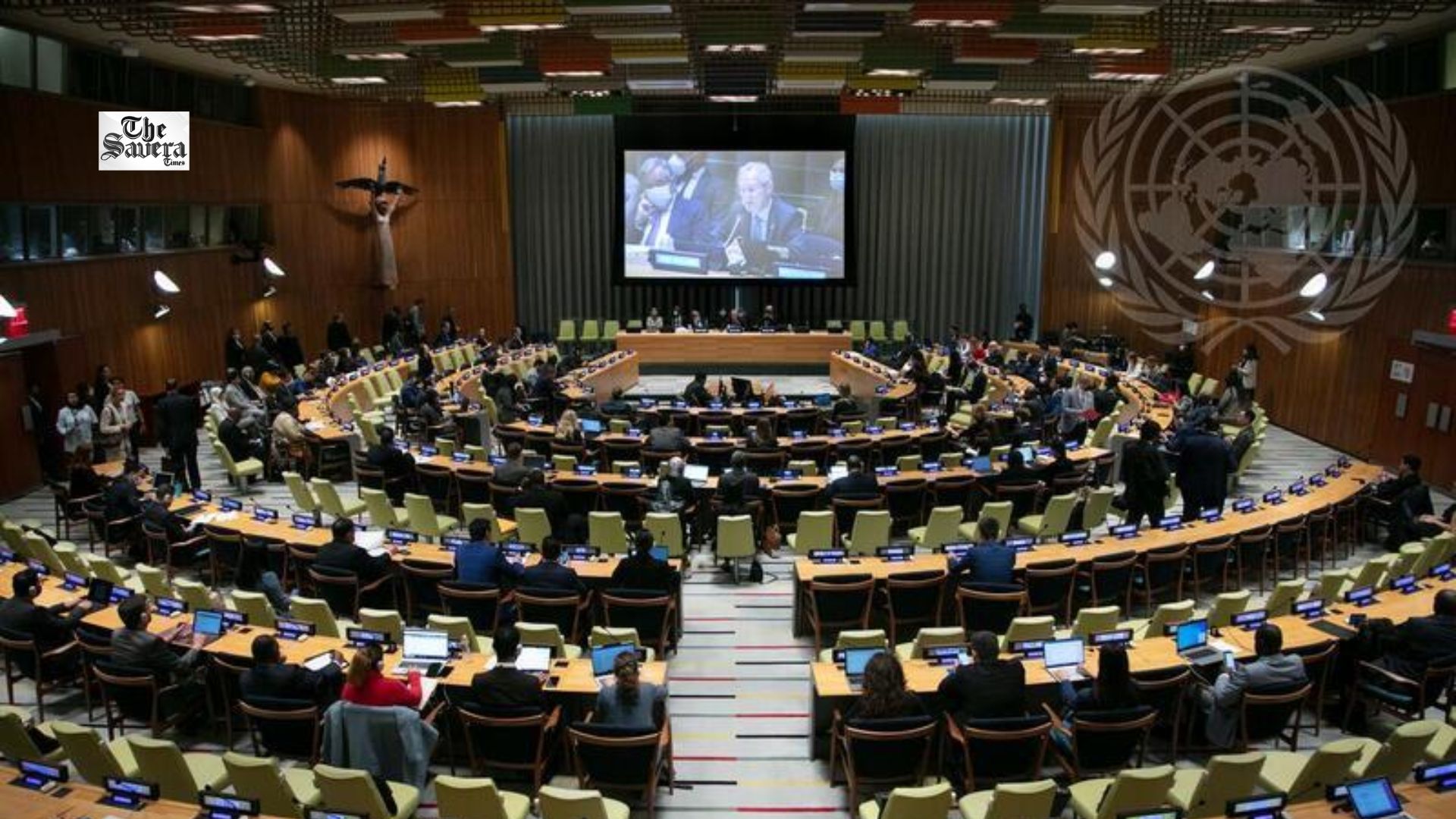
The upcoming UN nuclear ban treaty conference offers an opportunity to challenge the dogma of nuclear deterrence. The world is currently facing the greatest risk of deliberate or inadvertent nuclear conflict since the Cold War – or perhaps ever. While the threat of nuclear war may have dropped out of the headlines, it did not go away with the end of the Cold War. The United States and Russia had a window of opportunity in the early 1990s to eliminate nuclear weapons when there were still only 5 nuclear powers, but they spurned it. Fast forward to today, and these two countries that, between them, possess almost 90 percent of the world’s nuclear weapons have initiated wars with nonnuclear-armed countries: Ukraine and Iran. The aggressors’ leaders, presidents Putin and Trump, have made threats to use nuclear weapons. It is worrying that while these threats have not gone unreported, they have quickly passed from the headlines. However, the good news is that the rest of the world is pushing back against this ongoing existential threat – not through mass protests, but through quiet, multilateral diplomacy and persistent advocacy by civil society, including my organisation, ICAN. Putin and Trump did recently meet their Chinese counterpart, Xi Jinping, who commands the third-largest nuclear arsenal, for their first-ever three-way summit. They reaffirmed that a nuclear war cannot be won and must never be fought. But in their declaration, they did not say anything new; simply that they would discuss reducing nuclear risks and preventing the proliferation of nuclear weapons. The question we face today of how we ensure our security in a world of newly competing nuclear-armed powers is, at its root, the same we have faced since the development of the atomic bomb – how do we deal with the constant threat these weapons pose to humanity? Despite the insistence of the nuclear-armed minority that there is no alternative to their theory of nuclear deterrence, we are part of a diplomatic push offering the world a choice. Powerful countries can continue to blindly believe in deterrence dogma, a theory of human behaviour unsupported by evidence, that has led us to the brink of catastrophe more than once. Or countries can agree to the total elimination of these weapons for good. Deterrence is based on the capability and willingness to use nuclear weapons to kill millions of innocent people. The threat is present every moment in the form of the 4,000 nuclear weapons deployed and ready to use at short notice – more than enough to end civilisation as we know it many times over. This is the current choice of a minority of countries – the nine that have nuclear weapons and their nuclear-endorsing allies, principally the members of NATO. The alternative of abolishing nuclear weapons is growing in strength, but not talked about nearly as much. It is the choice of the majority of the world and is embodied in the Treaty on the Prohibition of Nuclear Weapons – the United Nations’ nuclear ban treaty, or TPNW, that 101 countries have already signed or ratified.
US President Donald Trump told American troops that victory over Iran was near and offered Tehran an opportunity...

Iranian Foreign Minister Abbas Araghchi has denied Tehran's involvement in a drone attack in Kuwait that killed two...

A powerful storm swept across the US East Coast on Thanksgiving Day, disrupting flights, causing widespread power outages...

India will host the 25th IORA Council of Ministers Meeting in New Delhi on November 27. The meeting...

From surveillance systems to AI targeting, US tech giants are deeply embedded in Israel’s war machine. Activists have...

The global genocide, caused by the ambition or greed of leaders, is a horrific scourge whose wounds persist...

Aries: The day will be auspicious...