Last Updated: October 21, 2026
Last Updated: October 21, 2026





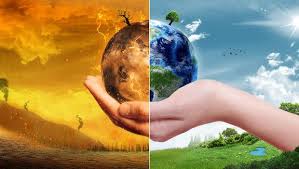
Climate change, driven primarily by human activities, has emerged as the defining environmental challenge of the 21st century. Rising greenhouse gas emissions, deforestation, and industrialization are altering the Earth’s climate systems, leading to a cascade of ecological, social, and economic consequences.
The science behind climate change is grounded in the greenhouse effect. Carbon dioxide, methane, nitrous oxide, and other gases trap heat in the atmosphere, preventing it from escaping into space. While this effect naturally maintains habitable temperatures, excessive greenhouse gases intensify global warming. Over the past century, the Earth’s average temperature has risen by approximately 1.2°C, with consequences already visible worldwide.
One of the most noticeable impacts is the increasing frequency and severity of extreme weather events. Hurricanes, floods, droughts, and heatwaves are becoming more intense and unpredictable. Glaciers and polar ice caps are melting at unprecedented rates, contributing to rising sea levels. Coastal regions face higher risks of erosion, flooding, and displacement of communities. Simultaneously, warmer temperatures disrupt rainfall patterns, affecting agriculture, water availability, and biodiversity.
Climate change also has direct health implications. Heat stress, respiratory problems due to air pollution, vector-borne diseases, and malnutrition are becoming more prevalent. Vulnerable populations, especially in developing countries, bear the brunt of these challenges. Economic systems are also strained as infrastructure, agriculture, and industries must adapt to changing conditions, often requiring costly interventions.
Global responses have focused on mitigation and adaptation. International agreements, such as the Paris Agreement, aim to limit global warming by reducing emissions and transitioning to renewable energy. Countries are investing in solar, wind, and hydroelectric power to decrease reliance on fossil fuels. Adaptation strategies, including resilient infrastructure, water management, and climate-smart agriculture, help communities cope with unavoidable impacts. Scientific research plays a critical role in understanding and addressing climate change. Advanced climate models simulate future scenarios, guiding policy decisions.
We are very proud that at present India is the number one country in the world by surpassing...

Every investor wants the wealth-creating power of equity and the reassuring stability of debt. Balanced Advantage Funds attempt...

Tourism is a major source of government revenue in our country. There are different types of tourism. Scenic...

Good Evening Viewers! Catch up on the day's biggest stories with The Savera Times Evening Bulletin. Get the...

Congress leaders continued their protest outside the Jaipur Police Commissionerate on Tuesday, demanding the registration of a zero...

On the auspicious occasion of Vijayadashami, Prime Minister Narendra Modi on Tuesday called on the countrymen to unite...

Aries: The day will be auspicious...