Last Updated: October 24, 2026
Last Updated: October 24, 2026





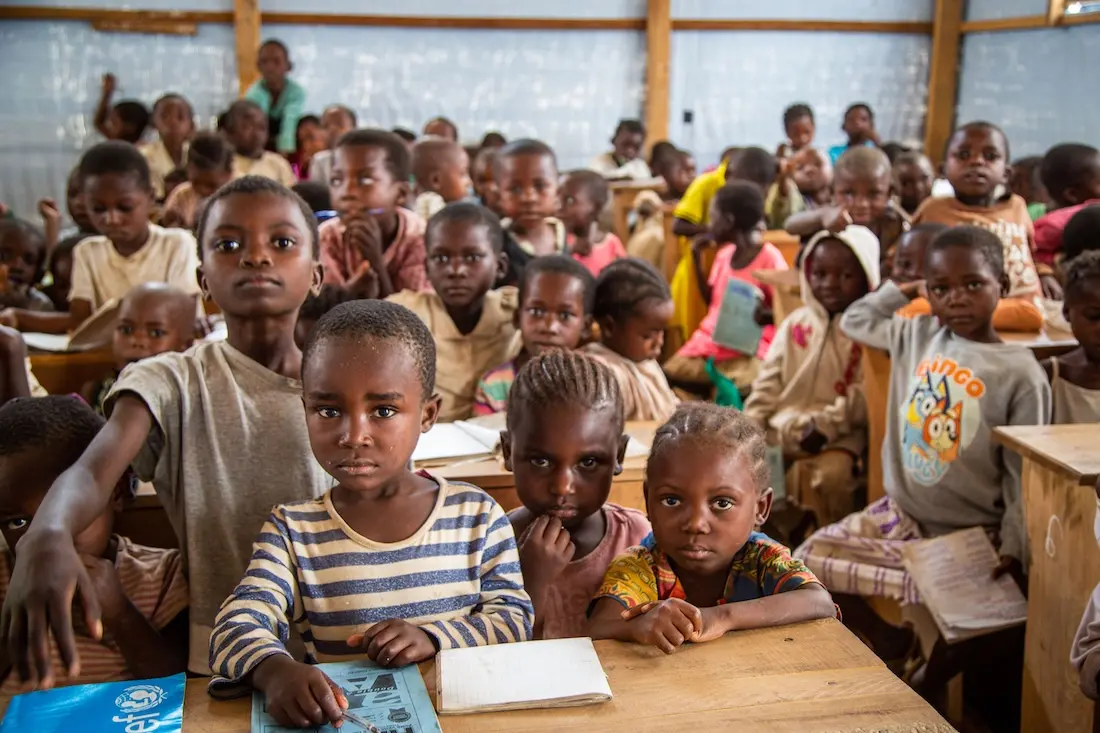
When we examine these claims about higher education and schooling in India, we find that much remains to be done in this field. Despite claims of progress, the face of the education revolution is becoming distorted.
Take higher education; it has been privatized on a massive scale. This privatization has led to a decline in student welfare and the drive to provide affordable education. Admission and textbook prices have risen significantly.
Privatization has also distorted the very nature of higher education examinations. Even exams are now handed over to private contractors, who are turning them into a source of revenue, embracing paper leaks and cheating on a commercial scale. Private universities have sprawling campuses. Student numbers have also increased. NITI Aayog states that in a country like India, at least six percent of gross domestic income should be spent on the education development of the new generation.
But not once did we set a target for such expenditure, instead handing it over to the private sector. There, profit motives prevail, and political players also enter the fray, as every young person over the age of 18 is their voter. In this mix, education takes a back seat, and commercialism prevails. When this is challenged, it turns into a riot. That’s why, despite claims that our country is at the forefront of the collective consciousness of artificial intelligence, these universities lack research, curriculum, or teaching of that caliber.
Now, let’s turn to school education.
A report by WHO and UNICEF has just come out about India’s school education, revealing the truth with unflinching clarity. India claims to have sparked such a renaissance in school education that 100% of children in every region are attending school. But the real story is: how many of these children go on to higher education after completing higher secondary? Reports indicate that most drop out between the 8th and 10th grades, due to poverty or the compulsion to work to earn a living. In reality, education should provide students with the opportunity and motivation to work, but such opportunities are not available in schools or colleges.
Four pilots died after two Philippines Air Force aircraft collided midair during a training exercise in Batangas. The...
Multiple earthquakes of preliminary magnitudes 7.2, 6.9 and 6.3 were reported near the Vanuatu Islands on Saturday. India's...
Washington: US President Donald Trump has acknowledged that the war with Iran has driven up oil prices and...

Washington: US President Donald Trump has announced a new labelling initiative to identify American-produced seafood, seeking to give...
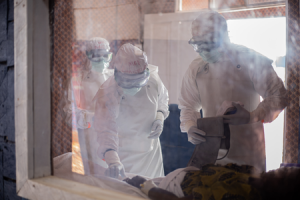
Kinshasa: A major clinical trial to evaluate vaccines against the Bundibugyo Ebola virus began Friday in the eastern...
Washington: US President Donald Trump has warned that American forces could launch another round of military strikes against...
Aries: The day will be auspicious...