Last Updated: October 10, 2026
Last Updated: October 10, 2026





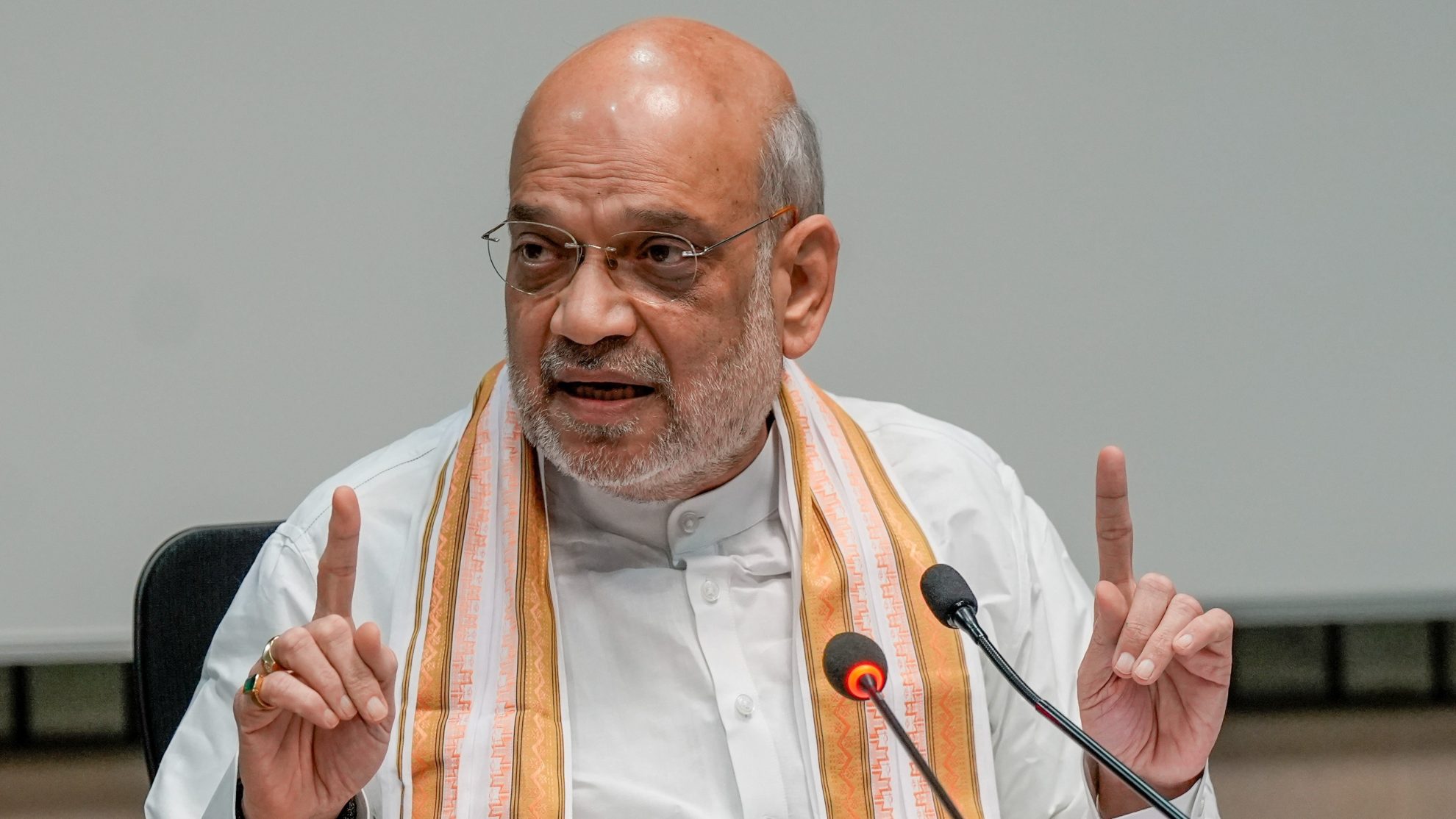
The next general elections to constitute the Lok Sabha and the Union Cabinet will be held in 2029. These elections will determine the political future of Prime Minister Narendra Modi and Home Minister Amit Shah. Currently, two bills are the subject of debate. One is the Uniform Civil Code (UCC). India is a country comprising diverse religions, each with its own religious codes. It is not conducive to the harmony of such a vast nation for every religion to operate its own separate codes regarding marriage, divorce, and death-related rituals. Therefore, the government has announced its intention to implement the Uniform Civil Code. While there are no obstacles to implementing this bill in the 21 BJP-ruled states, opposition arises in regions governed by opposition alliances or where minority communities adhere to their specific religious laws. The Modi government believes that implementing the Uniform Civil Code is essential to maintaining India’s national identity and administrative unity. The government anticipates that if the UCC is implemented before 2029, the country’s majority population will welcome the move. Speaking to reporters in Mumbai this Sunday, Union Home Minister Amit Shah stated that the Uniform Civil Code would be implemented across the country by 2029. At the very least, the 21 BJP-ruled states will certainly implement it. A National Register of Citizens is also to be created for this purpose. Amit Shah mentioned that discussions with opposition parties are ongoing, and the register will be created as soon as a common solution is reached. Thus, Amit Shah has clearly expressed his priority regarding the implementation of the Uniform Civil Code and has set a timeframe for it. It is also important to discuss another piece of legislation known as the UGC Bill. This bill contains provisions for severe penalties against members of the ‘upper castes’ (Savarnas) based on complaints from Dalits and backward classes, yet it does not offer similar safeguards to the upper castes. The upper-caste majority argues that the law should be amended to provide them with similar protections in the interest of balance; otherwise, the law should be repealed. Undoubtedly, while implementing the Uniform Civil Code, the Modi government will need to take cognizance of grievances regarding this proposed legislation; only by incorporating necessary amendments can it gain broad acceptance. We believe that the enactment of new laws and their subsequent refinement—as expectations dictate—are essential for progress; however, the opposition must not be allowed to create the impression among the general public that the Modi government is introducing these new laws to establish a monopoly or an authoritarian regime.
For thousands of Indian tech workers in the United States, a job offer is only the beginning of...

Mumbai: Mumbai Police’s Crime Branch Unit-12 has busted a racket involved in the illegal sale of call detail...
New Delhi: Delhi Traffic Police has issued a traffic advisory for October 10, 2026, warning commuters of possible...
New Delhi: Stepping up preparations for the upcoming Assembly elections, Bharatiya Janata Party (BJP) President Nitin Nabin on...
New Delhi: Two days after a four-story building collapsed in north Delhi’s Seemapuri, claiming at least five lives,...

Deoghar: Vice-President C.P. Radhakrishnan will visit Deoghar in Jharkhand on Saturday to address the second convocation of the...
Aries: The day will be auspicious...