Last Updated: November 24, 2026
Last Updated: November 24, 2026




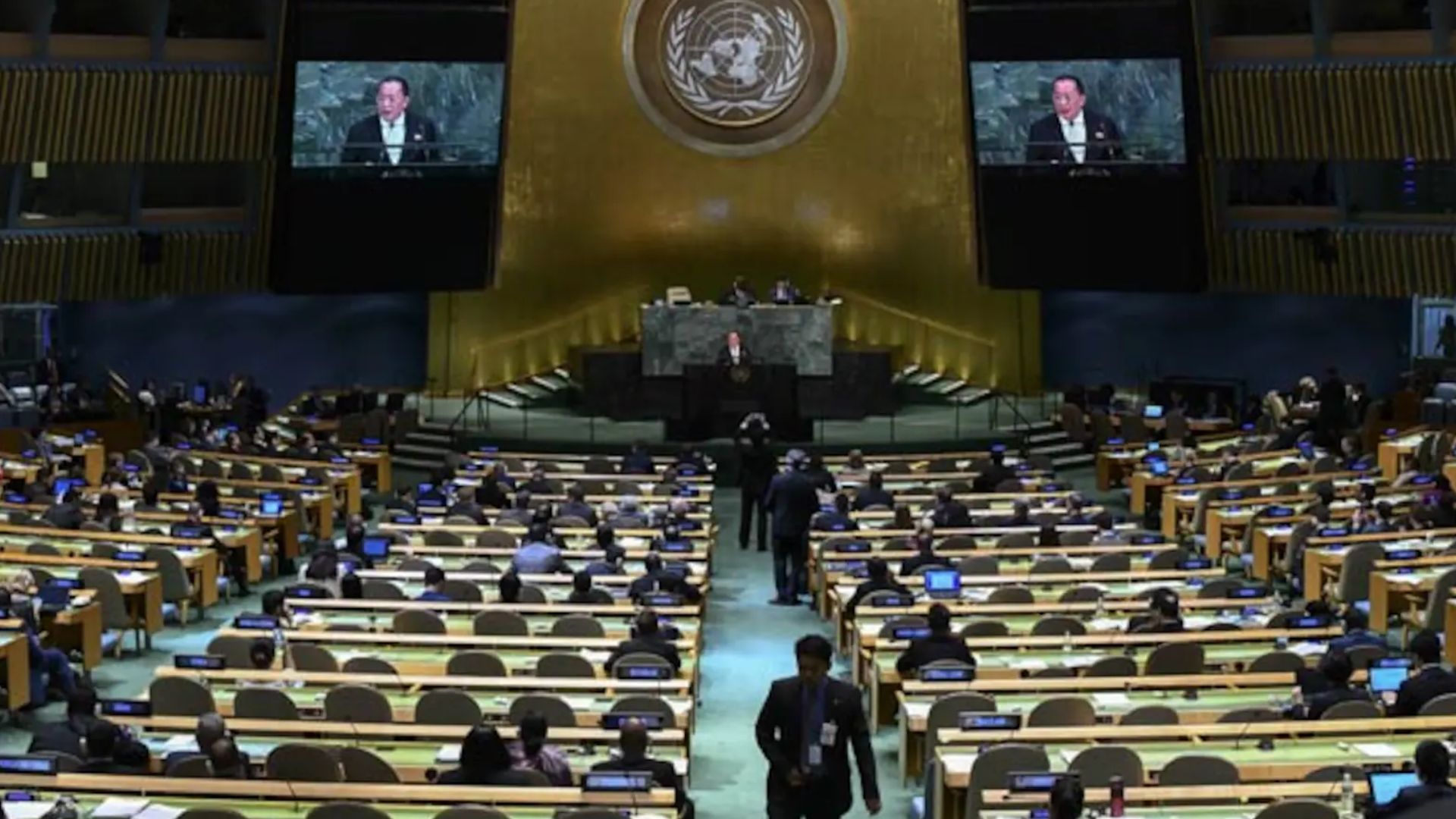
For a long time, humanitarians have been opposing the death penalty, even for the most ruthless criminals, in the name of human rights. They argue that no matter how immoral or brutal a person is, the right to take their life should not rest with the individual, nor should death be nationalized. The world should preach a better way of life for humanity’s future, not one of killing. That is why prisons are called reformatories, so that when prisoners leave prison, they emerge as better people and good citizens. There are opponents of the death penalty in India, but the death penalty is part of the Indian Penal Code. The death penalty is not given in every case; according to the Supreme Court, the death penalty in India is given only in the rarest of rare cases. Recently, when the United Nations General Assembly passed a resolution banning the death penalty worldwide, India argued that numerous legal rules are followed before executions are carried out. The death penalty is only awarded after the entire process is completed. Most importantly, the accused is presumed innocent until proven guilty. Therefore, it is wrong to label it as state murder. Upon a lower court’s death sentence, a higher court must confirm the sentence. The higher court can also consider commuting the sentence. When this resolution was presented to the United Nations, 133 countries voted in favor of abolishing the death penalty. Thirty-three countries, including India, opposed the resolution, while 16 abstained. India also stated that there is no consensus among countries on abolishing the death penalty. Each country has the right to determine the punishment for those convicted according to its own laws. Some individuals are presenting their personal views to create international law. It should be remembered that India had previously passed resolutions opposing the abolition of the death penalty in 2016, 2018, and 2024. This time, Mexico introduced the resolution in the United Nations General Assembly. It appealed to all countries to impose a moratorium on the death penalty and gradually abolish it altogether. Along with India, the United States, China, Pakistan, Japan, Iran, and Saudi Arabia also opposed the resolution. Although the resolution passed by a majority, it should be noted that this resolution only appeals to countries to refrain from the death penalty, not mandates it. Indeed, it is said that defeating violence with nonviolence, anger with peace, and malice with goodwill is the best approach, and everyone from Mahatma Buddha to Mahatma Gandhi has advocated for nonviolence. However, consider the mental tendencies of people living in today’s materialistic world. The perversion of greed and lust has become so severe that reading and hearing news related to it sends shivers down one’s spine. If the country’s penal code punishes those accused of murdering and dismembering a lover or husband/wife, on the grounds of humanity, won’t this animalistic behavior escalate further? Imposing severe punishment in the rarest of rare cases would be considered a duty-bound act to eliminate crime from the country and establish a clean environment.
Nvidia CEO Jensen Huang received an enthusiastic welcome from employees at the company's California headquarters after being reinstated....

Sanaa: The death toll from airstrikes targeting telecommunications infrastructure in Yemen’s Red Sea port city of Hodeidah early...

Unexpected nitrate hotspots emerge in drylands, threatening water quality worldwide High nitrate concentrations are showing up in places...

Nvidia announced on Monday that Jensen Huang has been reinstated as the company's President and Chief Executive Officer...

Germany was rocked when nearly 450 schools received bomb threat emails. Security agencies have been alerted, and police...

New Delhi [India]: Prime Minister Narendra Modi on Monday announced a Development Cooperation Package of 24,000 crore Nepali...