Last Updated: October 21, 2026
Last Updated: October 21, 2026





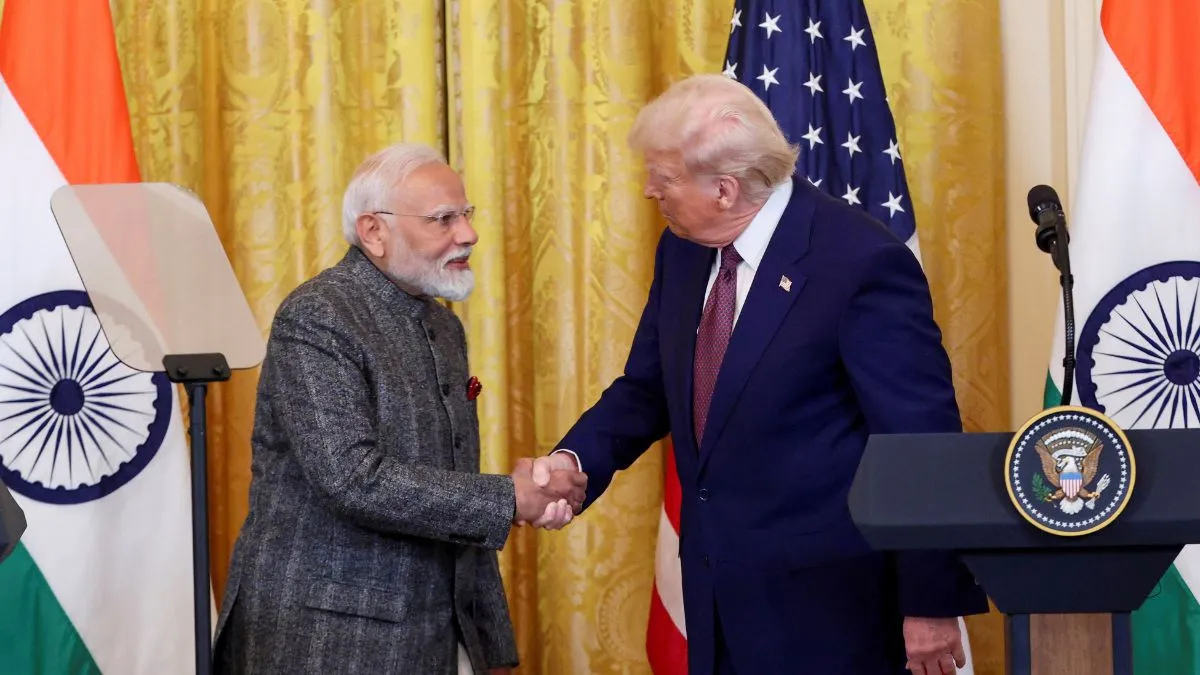
The United States and India have jointly unveiled a framework for an interim trade agreement, marking a significant step toward a comprehensive Bilateral Trade Agreement (BTA). It aims at deepening economic ties and boosting trade between the world’s two largest democracies.
Under the framework, both countries committed to mutual tariff adjustments, expanded market access, and closer cooperation on trade barriers and digital commerce, while setting a roadmap for future negotiations on a full trade pact.
The two countries said they have reached a framework for an Interim Agreement on “reciprocal and mutually beneficial trade.” The move keeps talks on track for a full US-India Bilateral Trade Agreement, launched by President Donald Trump and Prime Minister Narendra Modi last February.
Both sides called the framework a historic milestone. It aims for balanced trade and clear results. For India, the benefits center on tariffs, sector-specific access, and the easing of long-standing trade barriers.
Tariffs on these Indians Goods
Under the framework, the United States will apply a reciprocal tariff rate of 18 per cent on Indian goods. The list includes textiles and apparel, leather and footwear, plastics and rubber, organic chemicals, home décor, artisanal products, and some machinery.
The uniform rate gives India an edge over several countries in its neighborhood and the wider region. Many of those exporters face higher barriers or less predictable access to the US market.
Key Terms of the U.S.–India Interim Agreement
India to cut or eliminate tariffs on all U.S. industrial goods and a wide range of agricultural products, including grains, nuts, fruits, soybean oil, wine and spirits.
U.S. to apply an 18% reciprocal tariff on Indian goods such as textiles, apparel, leather, chemicals, home décor and machinery, with scope to remove tariffs on products like generic drugs, gems and aircraft parts after the interim deal is concluded.
U.S. to lift national-security tariffs on certain Indian aircraft and aircraft parts; India to receive preferential tariff quotas for auto parts, subject to U.S. security rules.
Negotiated outcomes for generic pharmaceuticals to follow the conclusion of U.S. investigations under Section 232.
Both sides to grant preferential market access in key sectors of mutual interest.
Rules of origin to ensure benefits flow primarily to the U.S. and India.
Non-tariff barriers to be addressed, including India easing restrictions on U.S. medical devices, ICT products, and food and agricultural imports.
Standards and conformity procedures to be discussed to simplify regulatory compliance.
Tariff commitments to remain flexible, allowing adjustments if either side changes its tariffs.
Bilateral Trade Agreement (BTA) talks to continue, with the U.S. considering India’s request for further tariff reductions.
Economic security cooperation to be strengthened, focusing on supply chains, investment screening and export controls.
India plans to buy $500 billion worth of U.S. goods over five years, including energy, aircraft, metals, technology products and coking coal, while expanding tech trade and cooperation.
Digital trade barriers to be tackled, with both countries aiming to establish robust and mutually beneficial digital trade rules under the BTA.
US President Donald Trump says Washington and New Delhi are close to a trade agreement that will differ...
Iran has ruled out transferring its enriched uranium stockpile outside the country, with security official Mohsen Rezaei reiterating...

Donald Trump has urged Volodymyr Zelensky to pursue a peace deal with Russia, warning that Ukraine could face...
Pakistan, battling insurgencies at home and tensions along multiple borders, is too overstretched to offer meaningful military support...
The World Bank Group has launched its first comprehensive digital strategy, placing artificial intelligence, affordable internet access and...
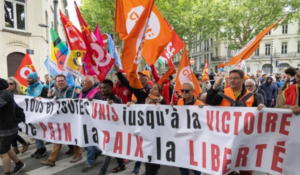
Fifty-four organisations and movements associated with France's October protests, along with their wider networks of supporters and international...
Aries: The day will be auspicious...