Last Updated: October 15, 2026
Last Updated: October 15, 2026





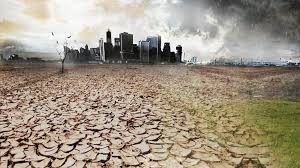
Rapid urbanization in India has put immense pressure on water resources, resulting in increasing water scarcity in major cities. With growing populations, industrial demand, and climate change-induced variability in rainfall, urban water management has become a critical challenge. Effective planning and sustainable practices are essential to ensure long-term water security.
Cities like Chennai, Bengaluru, and Hyderabad have experienced acute water shortages in recent years, highlighting systemic issues in supply, distribution, and consumption. Groundwater over-extraction has led to falling water tables, while inefficient municipal infrastructure results in significant leakages and wastage. Seasonal variability in river flows and erratic monsoon patterns further exacerbate shortages.
Urban water demand is driven by residential, commercial, and industrial sectors. Rising per capita consumption, lifestyle changes, and high-density housing increase pressure on available resources. In many areas, residents rely on private water tankers or bottled water, creating inequities and economic burdens. Low-income neighborhoods are particularly vulnerable, facing intermittent supply and contamination risks.Water management solutions require a multi-pronged approach. Rainwater harvesting, wastewater recycling, and greywater reuse can significantly reduce dependence on traditional sources. Policies encouraging conservation, efficient irrigation in urban farms, and incentives for low-water appliances contribute to sustainable consumption.
Smart metering and leak detection systems can minimize losses in municipal distribution networks.Groundwater recharge and watershed management are crucial for long-term resilience. Restoring rivers, lakes, and wetlands within urban landscapes improves storage capacity and biodiversity, while mitigating urban flooding. Public participation, through awareness campaigns and community-led water management programs, strengthens the effectiveness of these measures.Climate change adds another layer of complexity. Increased frequency of droughts, heatwaves, and unpredictable rainfall patterns makes cities more vulnerable to water stress.
Integrating climate-resilient infrastructure, such as storage reservoirs and desalination plants, alongside conservation initiatives, is critical for future preparedness.Urban water scarcity is not only an environmental issue but also a socio-economic challenge. Access to clean water affects public health, economic productivity, and social equity.
Policymakers must prioritize integrated water management strategies that combine technological, regulatory, and community-based interventions. Cross-sectoral coordination between urban planning, environment, and public health departments is essential to achieve sustainable outcomes.In conclusion, addressing urban water scarcity requires long-term vision, robust infrastructure, and community engagement
Mumbai Police has issued a 'Leave India' notice to Bollywood superstar Aamir Khan's nephew and actor Imran Khan....

Ram Kumar Singh, a 71-year-old retired Customs officer, was shot dead outside his home in Ara’s Kanakpuri locality....

Punjab AGTF and Haryana STF arrested Gurlal Singh in connection with Ajmeet Singh’s September 11 murder in Naushera...

Uttar Pradesh Police arrested a 28-year-old alleged criminal after an encounter in Noida’s Sector 63. Police said around...

Indian equity benchmarks opened higher on Thursday, with the Sensex rising 183.91 points and the Nifty gaining 48.60...

Union Home Secretary Govind Mohan has tendered an unconditional apology to the Supreme Court over alleged non-compliance with...

Aries: The day will be auspicious...