Last Updated: September 22, 2026
Last Updated: September 22, 2026





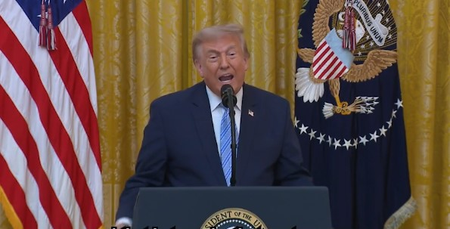
Diplomacy and international trade often follow different rules, and negotiations between India and the United States have once again highlighted this reality. Since Donald Trump began his second term as US President, both countries have been working toward a bilateral trade agreement. While reports suggest that the deal is nearing completion, it has not yet been finalised. Meanwhile, some farmers in Punjab have begun protesting, expressing concerns that the agreement could adversely affect their interests.
The article notes that President Trump has repeatedly announced plans to increase tariffs on countries whose policies do not align with those of the United States. It also points to instances where his public statements on trade and foreign policy have changed rapidly, creating uncertainty for trading partners.
According to the article, India expects tariff concessions in any trade agreement because tariffs imposed by the US increase the cost of Indian exports, making them less competitive in the American market.
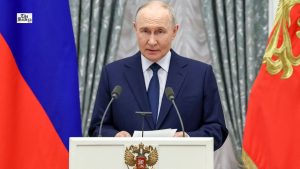
The article also focuses on India’s continued purchase of crude oil from Russia, particularly after supply disruptions caused by the Russia-Ukraine conflict. It argues that India, as a sovereign nation, has the right to make independent decisions regarding its energy imports and trade relationships based on its national interests.
The article states that the United States has criticised countries purchasing Russian oil, arguing that such trade supports Russia’s economy during its ongoing war with Ukraine. It notes that Washington has threatened higher tariffs on countries continuing to import Russian energy, a proposal that has also been reflected in a bill introduced in the US Congress.
Besides India, the article mentions China, Slovakia, Hungary and Azerbaijan as countries facing scrutiny over their trade with Russia. It states that existing tariff rates remain relatively low for most of these countries, while China’s tariff rate is significantly higher.
The article further claims that an initial proposal to impose tariffs of up to 500 percent on countries purchasing Russian oil and gas was later revised to 100 percent. It concludes by questioning the legitimacy of the United States imposing such trade measures on sovereign nations, arguing that every country should be free to determine its own economic and energy policies.
Dhaka: Bangladesh government’s latest fuel price hike threatens to trigger another wave of inflation, with higher transport, freight,...
Brussels: Google has been fined 403 million euros ($463 million) by the European Union’s privacy regulator for breaching...

New York: Donald Trump made an unusual visit for a sitting president to the official residence of the...
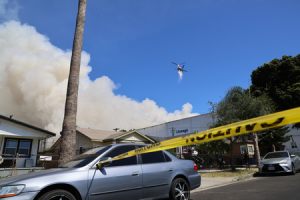
Sacramento: Two pilots were killed when a contract helicopter crashed while supporting firefighting operations on the Dome Fire,...
As Chinese research vessels operate in waters around Taiwan, Beijing has maintained that they are conducting only marine...
Putin's United Russia party has won 355 of 450 State Duma seats in Russia's first parliamentary election since...