Last Updated: October 18, 2026
Last Updated: October 18, 2026





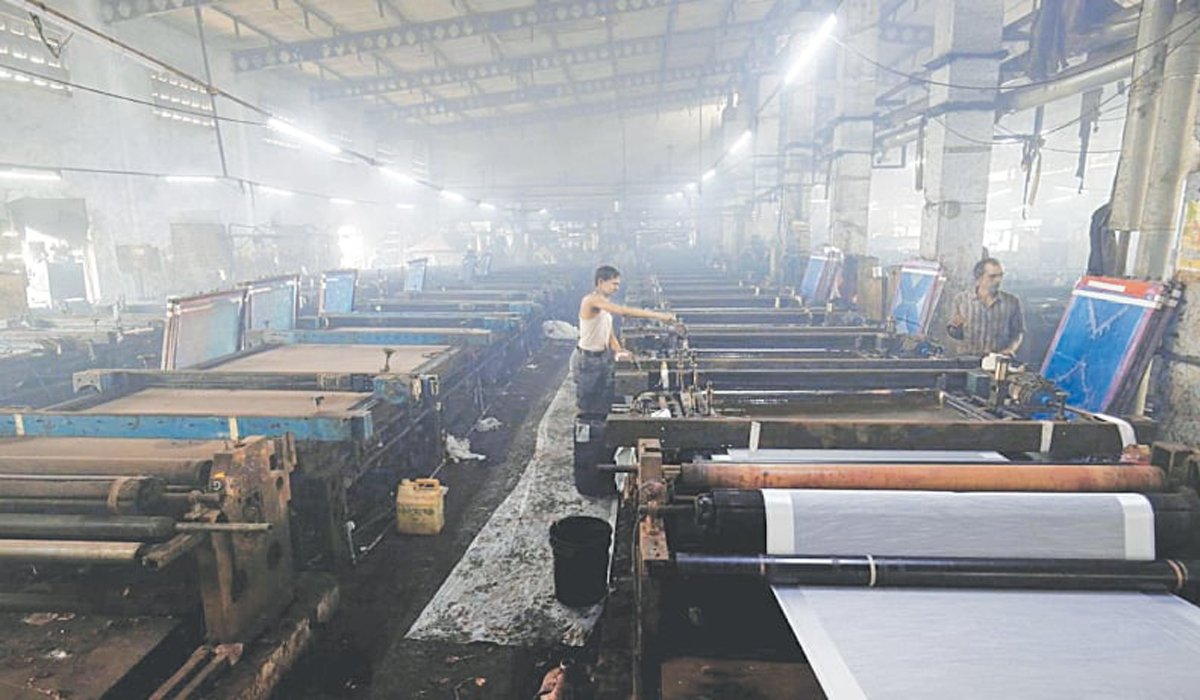
A US-India trade agreement is currently in its final stages and is receiving significant publicity. However, it is a peculiar agreement given that the US has accused India of manufacturing lowcost products by employing bonded labor at low wages. When these comparatively cheaper products reach the US, higher-priced American goods struggle to compete; consequently, the US has imposed an additional 12.50 percent tariff on India—as well as 53 other nations—based on these allegations.
Besides India, China also faces accusations of using bonded labor and selling cheap products, thereby hindering the sale of costlier American goods in US markets. Both nations have contested these US allegations, explicitly stating that bonded labor does not exist in their countries. The reality is that Indian workers are extremely hardworking; those skilled in their craft can achieve high production output in very little time, naturally driving down costs.
In contrast, American workers—often perceived as slower and more comfort-oriented—cannot compete with this efficiency while simultaneously demanding higher wages. As a result, Indian goods sell for less than American products, and this cost disparity inevitably impacts US trade. What is one to make of the US trade representatives who conducted 60 investigations into this foreign trade imbalance and concluded that 54 countries utilize cheap bonded labor? The US argues that since these nations made no effort to curb the practice of using cheap bonded labor, they deserve a 12.50% penalty. It acknowledged that six countries—Canada, Ecuador, the European Union, Indonesia, Mexico, and—perhaps surprisingly—Pakistan—did make an effort; yet, even they were not spared.
These countries were subjected to an additional tariff of 10 percent instead of 12.50 percent. This grievance is entirely baseless. While bonded laborers once existed under the zamindari (landlord) system, that feudal practice has long since vanished. The country certainly has unemployed individuals, but there are no bonded laborers. They exist only in stories and novels. Other international institutions have also stated that India does not have such workers, and therefore, tariffs should not be imposed. The US is merely finding a pretext to slap additional tariffs on countries like India. Its attitude is simply: “We are wealthy and powerful, so we will do whatever we please
Mumbai: Bollywood actor Imran Khan has filed a writ petition in the Bombay High Court seeking a stay...

What if a decision taken in Washington could influence India’s oil bills, export earnings and trade relations with...
Apia: Minister of State (MoS) for External Affairs, Pabitra Margherita, on Saturday interacted with members of the Indian...
At least five workers were killed and six injured after a 15-kilolitre reactor exploded during a hydrogenation process...

New Delhi: Union Minister of State Jitendra Singh has said that India’s space economy — currently valued at...

New Delhi: The Supreme Court-constituted High Powered Enquiry Committee (HPEC) has started inviting complaints and representations from people...

Aries: The day will be auspicious...