Last Updated: October 18, 2026
Last Updated: October 18, 2026





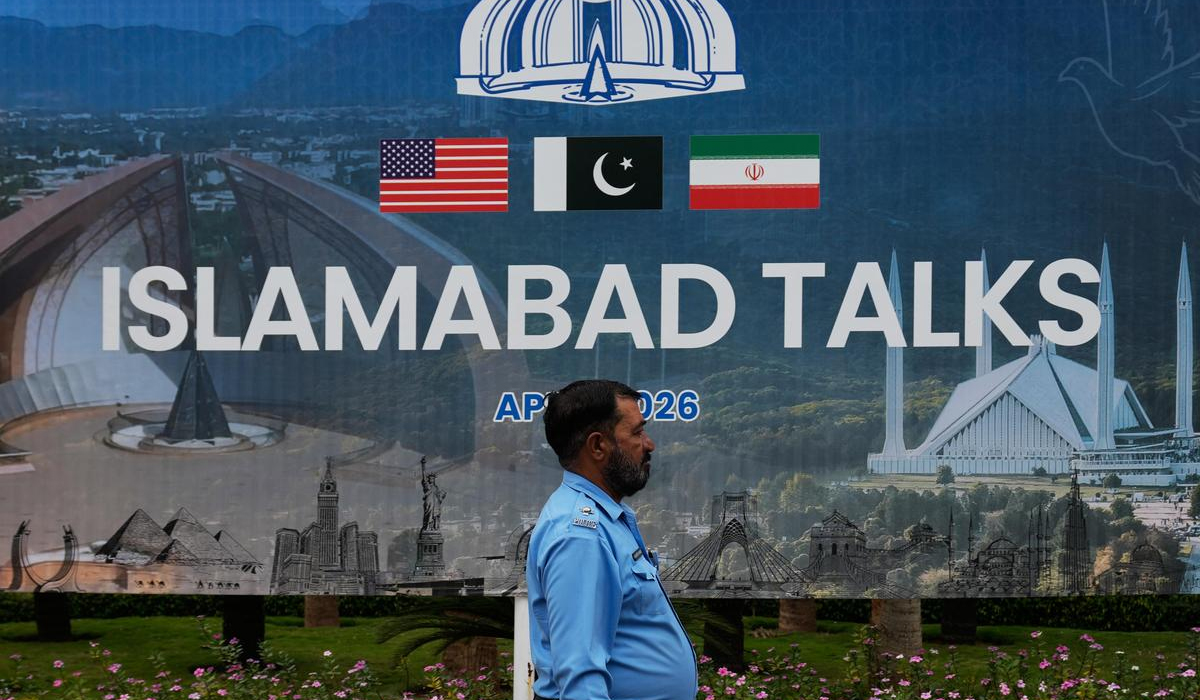
The long-standing standoff between the United States and Iran now appears to be moving toward a resolution. According to recent reports, representatives from both nations may once again sit down at the negotiating table next week in Islamabad, the capital of Pakistan.
Under the leadership of President Donald Trump, the U.S. administration is striving to bring a permanent end to the ongoing conflict in West Asia. The primary objective of these talks is to devise a pathway that can defuse the war-like situation between the two countries and help restore global peace.
What is the 14-Point Agreement?
According to a report by The Wall Street Journal, both sides, working through intermediaries, are drafting a one-page, 14-point Memorandum of Understanding (MoU). The purpose of this document is to establish a framework for a negotiation process expected to span one month. If the meeting in Islamabad takes place next week, it would mark a significant step toward de-escalating tensions. Through this agreement, efforts are being made to reach a concrete outcome within a one-month timeframe. Should the talks proceed in a constructive direction, this deadline could be mutually extended further.
Where Do the Major Sticking Points Lie?
The proposed draft encompasses several critical and contentious issues. Foremost among these are Iran’s nuclear program and the need to de-escalate rising tensions in the Strait of Hormuz. Reports suggest that consideration is also being given to transferring Iran’s existing stockpile of enriched uranium to another country. However, the path ahead is not without its hurdles. The most significant stumbling block centers on the lifting of sanctions imposed on Tehran. Iran is seeking relief from economic restrictions, but the U.S. is proceeding with extreme caution on this matter. This is precisely why progress in the negotiations could face delays.
What Did President Trump and Marco Rubio Say?
On Friday, President Donald Trump signaled that he is awaiting a response from Iran. Speaking to reporters before heading to his golf course in Virginia, he remarked that a response from Iran might be received as early as tonight. When asked whether Iran was deliberately stalling, he stated that this would soon become clear. Meanwhile, U.S. Secretary of State Marco Rubio—who is currently visiting Italy—expressed hope that a “serious proposal” would come from Iran. Rubio believes that the political instability within Iran, along with its dysfunctional system, could be a major reason for the delay in negotiations.
Nepal is seeking substantial financial assistance from India ahead of Prime Minister Balendra Shah’s proposed visit to New...
The race to succeed Antonio Guterres remains uncertain after three leading candidates faced opposition from two permanent members...

Democratic lawmakers have criticised Donald Trump for waiving key sanctions and tariff provisions under the Graham Act, citing...
Shipping Minister Sarbananda Sonowal confirmed that all 24 Indian seafarers aboard two vessels struck in separate incidents in...

Katie Zacharia has left her role as White House press secretary less than a week after her appointment....
US President Donald Trump has praised Kaylub Giamanco for intervening during a shooting at Silver Rail Elementary School...

Aries: The day will be auspicious...