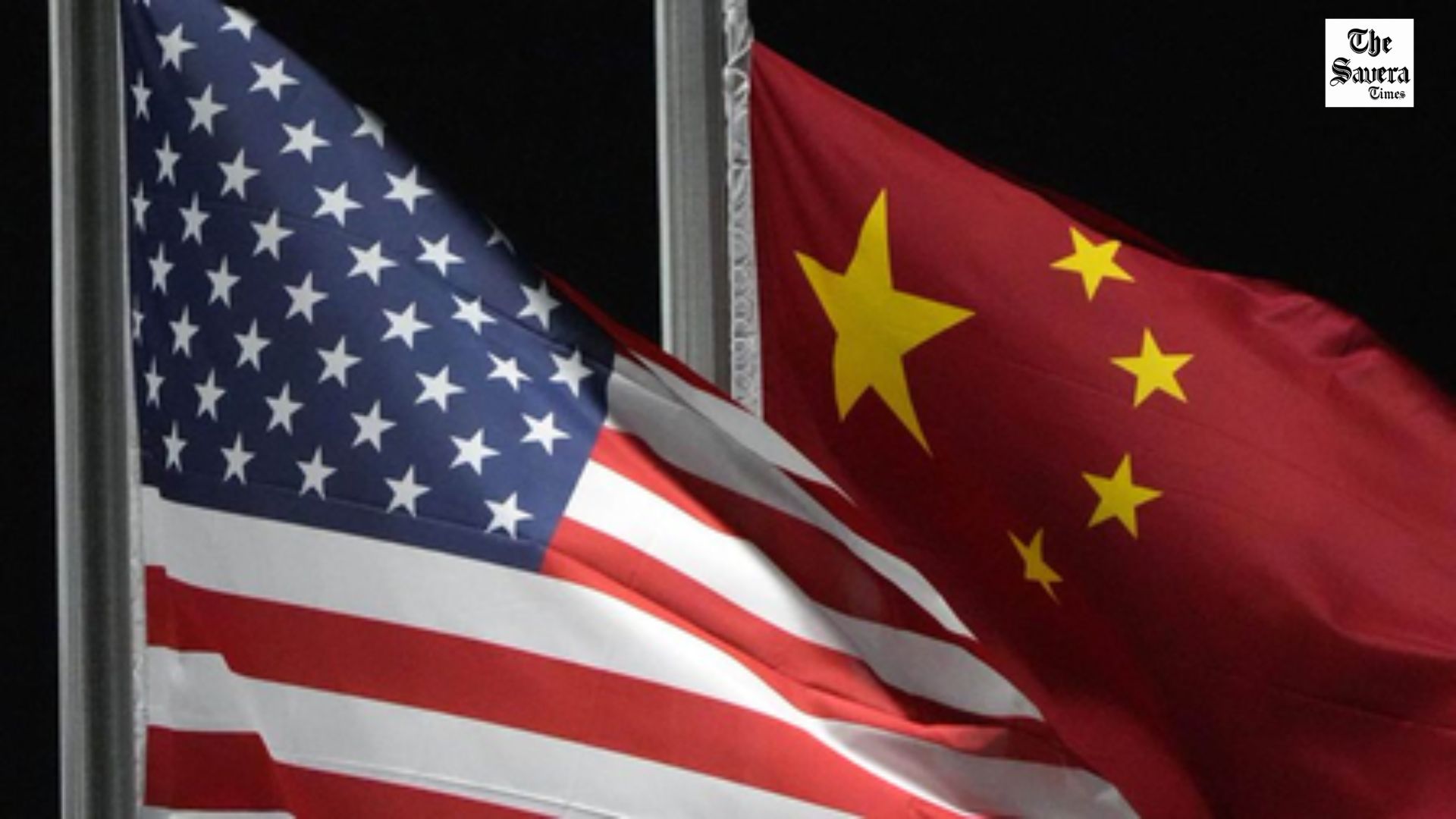
Washington: The United States Congress is advancing a bipartisan legislative effort aimed at restricting Chinese and other foreign adversaries from purchasing farmland and real estate near sensitive military and strategic installations, citing national security concerns.
The proposed legislation, titled the “Protecting U.S. Farmland and Sensitive Sites from Foreign Adversaries Act,” seeks to close loopholes in current oversight mechanisms that critics say have allowed foreign entities to acquire agricultural land near critical infrastructure and defense facilities.
Lawmakers backing the bill argue that such land acquisitions could pose risks to national security, food security, and surveillance vulnerabilities. The bill expands the authority of the Committee on Foreign Investment in the United States (CFIUS) to review and potentially block real estate transactions involving countries such as China, Russia, Iran, and North Korea.
Under the proposal, purchases of farmland, ports, telecommunications infrastructure, and properties near military bases would undergo stricter mandatory review. It also introduces a new classification for “elevated risk real estate transactions,” ensuring heightened scrutiny of sensitive land deals.
Supporters of the measure say it reflects growing bipartisan concern in Washington over foreign ownership of U.S. agricultural land, particularly in areas close to military installations. They emphasize that food security and national security are closely linked, arguing that foreign control of farmland could create strategic vulnerabilities.
The bill has received support from both Republican and Democratic lawmakers, signaling a rare consensus on tightening foreign investment rules in sensitive sectors.
If passed, the legislation would mark a significant expansion of U.S. national security review powers over land transactions, especially those involving foreign adversaries.