Last Updated: October 16, 2026
Last Updated: October 16, 2026





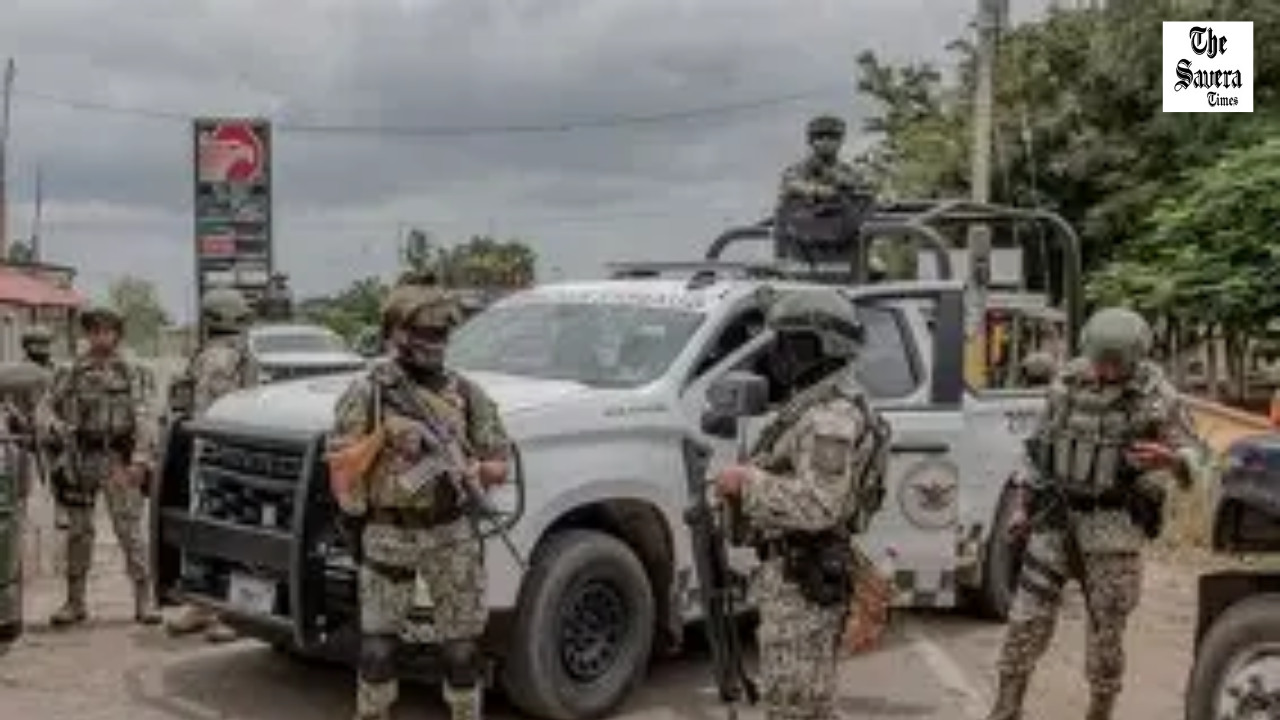
The United States and Ecuador have commenced joint military operations in Ecuador against groups described by officials as “designated terrorist organizations,” marking a significant step in Washington’s expanding anti-drug and security strategy in Latin America. The initiative was announced on March 3 by the U.S. Southern Command (SOUTHCOM), which said the operations are aimed at confronting narco-terrorism — drug trafficking networks tied to violence and corruption across the region.
The joint actions involve Ecuadorian and U.S. forces working together on operations that Southern Command framed as part of a broader commitment to counter criminal organizations that have long afflicted citizens throughout the Western Hemisphere. While details of the specific missions are largely undisclosed, a SOUTHCOM press release highlighted the commitment and resolve of both countries’ armed forces in this effort.
According to the military statement, this operation follows intensified regional cooperation on counter-narco efforts, which have included U.S. military strikes against suspected smuggling vessels in the Caribbean Sea and Eastern Pacific Ocean. SOUTHCOM has said that its forces, working alongside regional partners like Ecuador, aim to disrupt entrenched drug networks that also engage in terrorism-linked activities.
The joint mission in Ecuador is seen as a new phase in the fight against narco-terrorism, signaling deeper military collaboration between Quito and Washington. Officials from both sides stressed that these operations represent decisive action against networks responsible for terror, violence, and corruption.
Although neither side has released specific tactical details or casualty figures, the operation is understood to involve Ecuadorian forces taking the lead with U.S. logistical, planning, and intelligence support, according to external sources. U.S. personnel are reported to be advising local commandos and assisting in situational planning, even if not directly engaging in every raid.
This military action comes amid broader geopolitical and security developments in the region. Ecuador has experienced rising drug-related violence in recent years, attributed to trafficking routes that carry over 70 % of coca shipments from neighboring Colombia and Peru through its ports and territories. The violence has driven Ecuador’s government, led by President Daniel Noboa, to deepen security cooperation with the United States as part of an aggressive push to curb cartel influence.
Ecuador’s Defense Ministry termed the initiative a new “offensive” against narco-terrorism and illegal mining, and President Noboa publicly highlighted the role of regional allies, including the United States, in addressing these security challenges.
For the U.S., this operation aligns with President Donald Trump’s broader second-term security priorities, which have emphasized using military force in the Western Hemisphere to combat drug trafficking and related criminal networks. This includes previous strikes and joint efforts in the Caribbean and Pacific, as well as cooperation with multinational partners to dismantle transnational trafficking organizations.
The announcement of military activity has drawn both support and criticism online. Some observers praise the collaborative effort against criminal networks, while others argue that the language of “military action” risks overstating the nature of the operations and raising questions about legal authority and sovereignty. Critics have pointed out that the operations may be more accurately described as joint counter-narcotics operations rather than a full-scale war, and have raised concerns about the broader implications of U.S. military involvement abroad.
Despite these debates, U.S. and Ecuadorian officials have stood by the joint effort, framing it as an essential move in the fight against narco-terrorism — a fight they say requires regional cooperation and persistent action.
Air India and Air India Express have suspended flights to Riyadh, Jeddah and Dammam until October 20. IndiGo...

Manjit Singh Bedi, 64, has been returned to the United States after being arrested in India. He faces...

A Houthi attack on the al-Maashiq Presidential Palace in Aden killed five people and injured 16, amid intensifying...
A shooting at Silver Rail Elementary School in Bend, Oregon, left three children and a teacher dead. The...

Prime Minister Narendra Modi will visit Canada on December 11-12, 2026, with both countries aiming to strengthen strategic...
US Vice President JD Vance has warned that anyone found selling access to the White House should face...

Aries: The day will be auspicious...