Last Updated: October 10, 2026
Last Updated: October 10, 2026





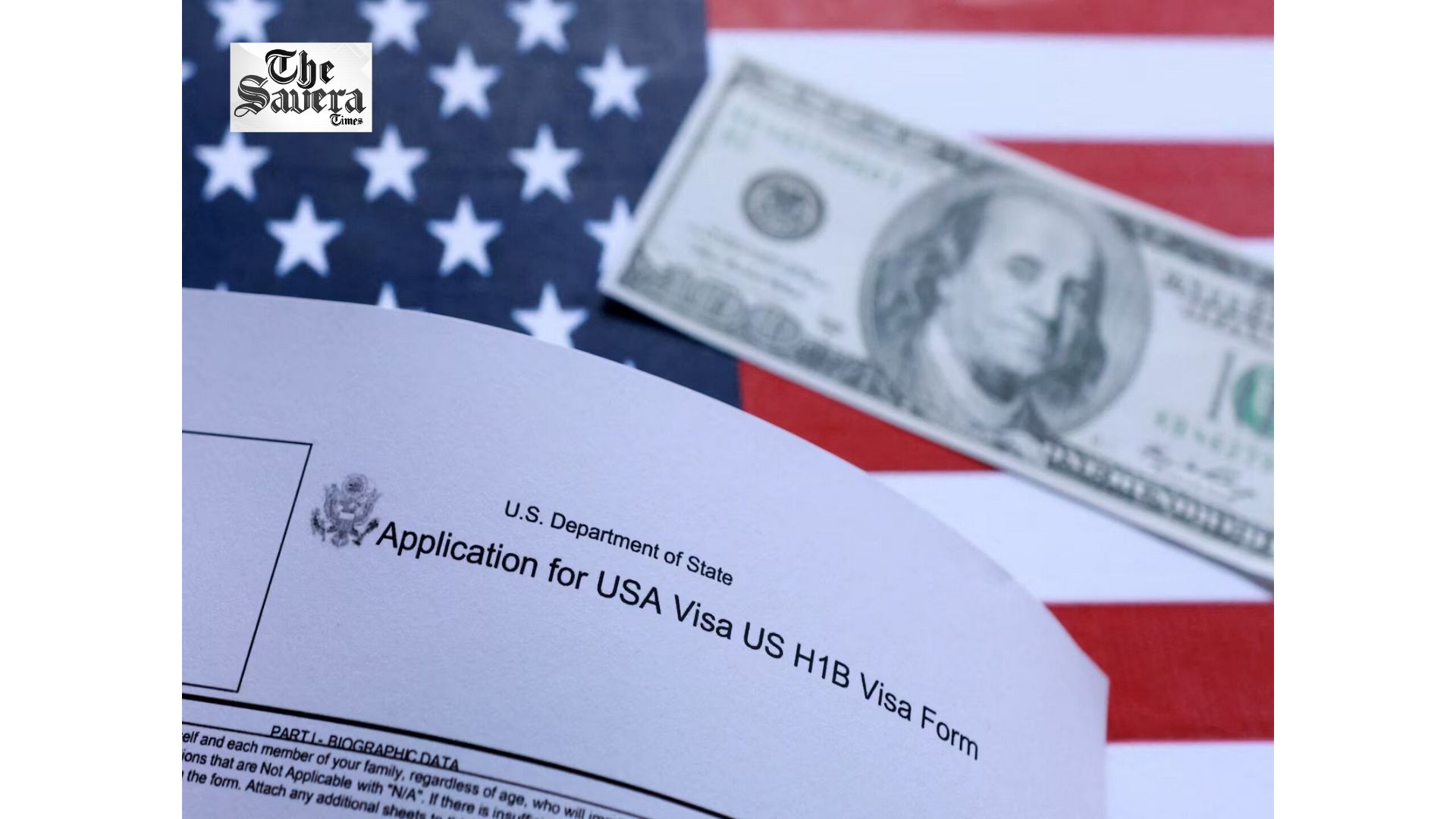
Washington: The US Department of Homeland Security (DHS) has proposed an additional fee of USD 103,265 for all H-1B cap-subject visa petitions, including those eligible for the advanced degree exemption.
According to an official DHS press release issued on Monday (local time), the proposed fee would be paid at the time of filing and would be imposed on top of all other applicable fees and payments.
DHS estimates that the proposed fee could generate approximately USD 8.8 billion annually, based on an estimated 85,000 H-1B cap-subject petitions.
Fee to Cover Immigration Costs
US Citizenship and Immigration Services spokesperson Zach Kahler said the proposed fee is intended to recover costs incurred by the federal government in processing and supporting lawful immigration programmes.
DHS said the revenue would help cover costs related to immigration benefit adjudication, fraud detection and national security vetting, systems modernisation, records and fee collection operations, immigration court operations, consular visa processing, labour standards enforcement and interagency coordination.
Certain H-1B Petitions Exempt
The proposed additional fee would not apply to H-1B petitions that are not subject to the annual cap.
These include petitions filed by certain nonprofit research organisations, government research organisations and institutions of higher education.
The proposal comes after a federal judge in June struck down the Trump administration’s earlier proposed USD 100,000 fee for H-1B visa applications.
US District Judge Leo Sorokin ruled that implementing a tax on visa applications was unlawful, stating that Congress has the authority to establish immigration policy and impose taxes.
The earlier proposal covered universities, hospitals and research-based institutions, which would not be affected by the newly proposed DHS fee.
H-1B Visa Cap
The annual statutory limit for new H-1B visas is 85,000, comprising 65,000 regular-cap visas and 20,000 visas for applicants holding a master’s degree or higher from a US institution of higher education.
Of the 65,000 regular-cap visas, 6,800 are reserved for nationals of Chile and Singapore.
H-1B visas allow US companies to employ foreign workers in specialised, high-skilled occupations and are particularly important to the technology sector.
Companies and technology workers will have 30 days to submit comments on the proposed rule once it is published in the Federal Register. The publication is expected on Tuesday (local time).
Addis Ababa: External Affairs Minister (EAM) S Jaishankar on Friday visited the National Palace and Museum in Addis...
Recognising the contribution of international courts in upholding the rule of law and human rights amid indiscriminate conflicts,...

Bhubaneswar: The Enforcement Directorate (ED), Bhubaneswar Zone, on Friday launched a search operation at ten places located in...
A 23-year-old Punjab-born man was shot dead outside a commercial complex in Langley, British Columbia, Canada. Canadian authorities...

India's Ministry of External Affairs (MEA) on Friday strongly criticized US Vice President J.D. Vance's remark, in which...
At least five people were killed when a school bus plunged off the road in Nepal’s western city...