Last Updated: October 12, 2026
Last Updated: October 12, 2026





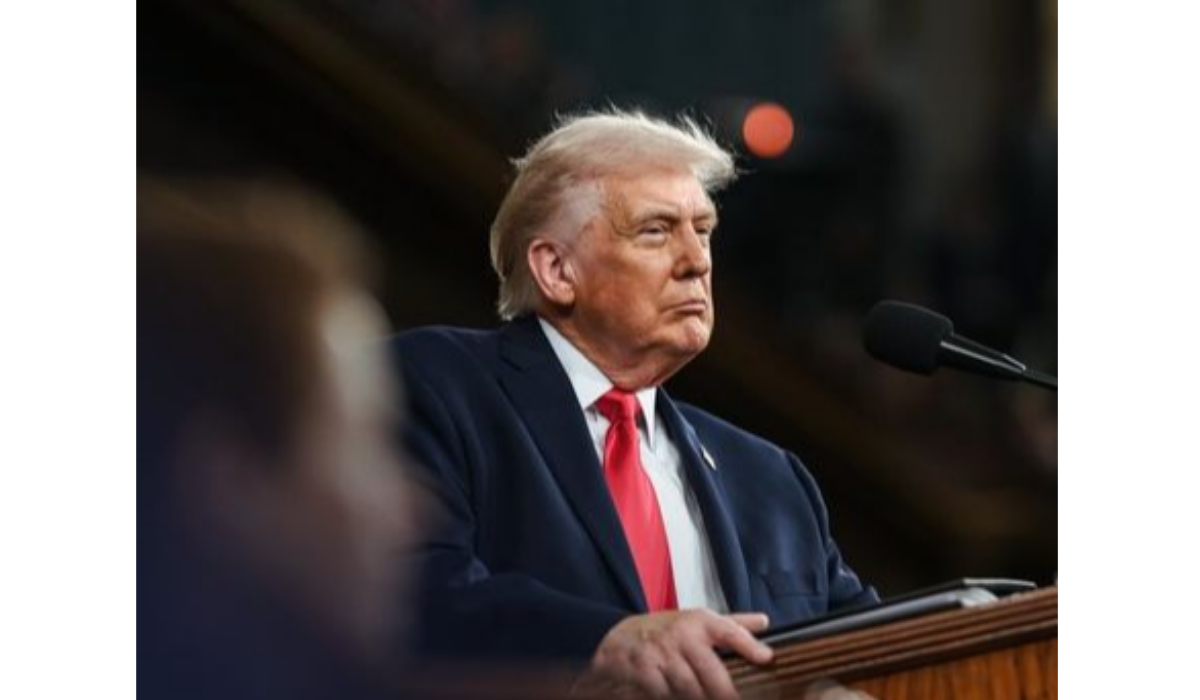
An end has been announced to the conflict involving the US, Israel, and Iran—a situation that has kept the world in turmoil for over a hundred days. Until recently, the situation appeared precarious; Iran was angered by Israel’s continuous attacks on Lebanon and Hezbollah, leading to doubts about whether an agreement could be reached. However, on Monday, June 15—his birthday—US President Donald Trump announced an agreement with Iran to halt the war. He also announced the reopening of the Strait of Hormuz. Trump stated that the deal would be signed on June 19. Decisions regarding all other contentious issues will be made during the ceasefire, which is currently set for 60 days. However, immediately following the announcement of the US-Iran agreement, Israel distanced itself from the deal. Israel explicitly stated that it is not a puppet state of the US. Asserting that it would protect its own interests, Israel declared it would not tolerate Hezbollah’s terrorism and that its attacks would continue in response to any act of aggression by the group. Two things are clear: the US will not openly enter this war, and Iran is demanding the unfreezing of its accounts in exchange for the deal. If the restrictions on these accounts are lifted, Iran will emerge stronger than before; consequently, Israel will remain concerned about Iran and continue to confront it under the pretext of fighting terrorists. Regardless, there is no doubt that the US and Iran have agreed to a settlement. Both sides are so exhausted by this futile conflict that continuing the fight seems beyond their capacity, even though both remain quick to trade threats. It is reported that the US has spent between $25 billion and $29 billion on this war—a cost that impacts American prosperity. The closure of the Strait of Hormuz route has caused petrol and gas prices to rise, impacting US markets as well—even though the US is itself a major global oil supplier. Inflation and unemployment have increased there, and the younger generation has taken to the streets in protest against Trump. Parliament had also urged Trump to avert the war. Recognizing his declining popularity, Trump decided to halt the conflict. Both sides are claiming victory in the confrontation; Iran stated that it stopped the war only after emerging as the victor. However, such rhetoric is best avoided in diplomacy. The world currently needs a permanent ceasefire, not a precarious peace. As for Israel, it has no choice but to continue the conflict, as Benjamin Netanyahu believes his hold on power depends on Israel remaining at war. Meanwhile, based on the key terms of the deal, Iran fully expects trade sanctions to be lifted and frozen accounts to be unfrozen. On the other hand, the US maintains that it has prevented Iran from becoming a nuclear power. The Strait of Hormuz is now set to reopen; Trump has instructed the approximately 250 container ships stationed at the mouth of the strait to proceed to their destinations. Whenever an atmosphere conducive to an agreement between Trump and Iran has emerged, Israel has intensified the conflict. If Trump has indeed struck this deal independently of Israel—and if the US refrains from encouraging Israel to continue the war— lasting peace in the region is possible; otherwise, the situation will remain unchanged, yielding no real progress. Recently, opposition parties in India raised the question: as a sovereign nation, who is the US to dictate which countries we should or should not buy oil from? This issue arose when the US, amidst the heat of the conflict, had granted India a one-month window to purchase oil from Russia but was not extending that permission beyond the initial month. Addressing this matter recently, External Affairs Minister S. Jaishankar stated that India would purchase oil from wherever it is available at the most affordable and accessible rates. We are purchasing oil from the US and Venezuela, and despite American pressure, we are also buying significant quantities from Russia. Recent data indicates a 21 % surge in oil imports from Russia. Currently, India is the second-largest buyer of Russian fuel, trailing only China. Despite the crisis in West Asia and pressure from the US, Indian refineries have further increased their procurement of fuel from Russia at cost-effective rates. In May 2026, India’s imports of crude oil and other fuels from Russia reached $6.7 billion. A European think tank reports an 8 percent monthon-month increase in India’s total crude oil imports in May. Crude oil accounted for 83 percent of India’s total imports from Russia. Imports of oil products and coal stood at €550 million and €429 million, respectively. Consequently, a rise in Russian crude oil imports has been recorded at major refineries in Gujarat. The Vadinar refinery saw a 36% increase in Russian oil intake in May compared to April, while the Jamnagar refinery recorded a 14 percent rise. While we have diversified our oil procurement sources— buying crude oil from Gulf nations in West Asia, Africa, and the US, and increasing purchases from Venezuela—the influx of Russian oil has reduced our reliance on American oil. This could be a source of dissatisfaction for the US at some level, no matter how much Trump continues to call India and Modi his friends. US and Iran Agree to Halt War India Becomes SecondLargest Buyer of Russian Oil.
The Royal Swedish Academy of Sciences on Monday announced the 2026 Nobel Prize in Economics to American economists...

A Sudanese rights group says at least 72 gold miners were killed in an air strike near the...

US President Donald Trump is scheduled to attend the ASEAN summit in Manila on November 16 before travelling...
An Indian national injured in the October 10 attack on Riyadh’s King Khalid International Airport has died, taking...

Ukrainian President Volodymyr Zelenskyy says he was unaware of Donald Trump’s announcement of an immediate energy ceasefire between...

Colombian businessman Alvaro Pulido Vargas has been arrested in Florida over two US federal cases involving alleged bribery...
Aries: The day will be auspicious...