Last Updated: October 18, 2026
Last Updated: October 18, 2026





Abhishek Vij
On Tuesday, Prime Minister Narendra Modi addressed the Rajya Sabha regarding the ongoing conflict in West Asia. On this occasion, Modi called upon the citizens to unite as “Team India.” He stated that we must remain prepared to face the evolving situation resulting from the war. We have reached out to the heads of state of the warring nations and urged them to restore dialogue and diplomatic relations. He gave an assurance that the citizens of the country would not be allowed to face any hardships.
Oil reserves are being augmented, while any potential gas shortages will be mitigated by boosting domestic production. This is not a time for panic. The government is vigilant and stands ready to safeguard the interests of its citizens.
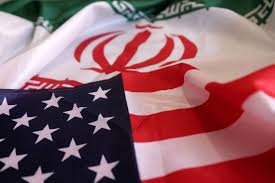
On the other hand, an assessment of the global reality—and its impact on India—in the wake of the Gulf crisis reveals that the manner in which US President Donald Trump has complicated this conflict through his policies is now having repercussions on India as well.
While advocating for American interests, Trump also keeps his own commercial interests firmly in mind. On Monday evening, through a series of statements, Trump signaled to the world that negotiations had commenced.
With the indication that Iran’s power plants would not be attacked for five days, stock markets across the globe began to rally, sensing a de facto ceasefire. On Tuesday, the Indian stock market also began to show signs of recovery. Prior to this, a market crash had resulted in investors losing hundreds of thousands of crores of rupees. Now, in the fierce conflict that the US—in conjunction with Israel—has unleashed against Iran, the situation is shifting day by day.
This volatile atmosphere is creating a dilemma for nations across the globe. On Tuesday, US President Donald Trump spoke with Prime Minister Narendra Modi over the phone and emphasized the critical importance of keeping the Strait of Hormuz open. The two leaders held discussions regarding the situation in the Middle East. Informal reports have emerged indicating that Iranian Supreme Leader Mojtaba Khamenei has approved a proposal to engage in talks with the United States. Pakistani Prime Minister Shehbaz Sharif also confirmed that Iran and the U.S. have agreed to hold negotiations. It has been revealed that Iranian Deputy Foreign Minister Abbas Araqchi privately informed U.S. envoy Steve Witkoff that the Iranian Supreme Leader has given his consent for talks.
Meanwhile, Saudi Arabia maintains that the U.S. should continue its attacks on Iran, arguing that this presents a unique opportunity to fundamentally reshape the Middle East. The Saudi Prince presumably wishes to see Iran weakened so that it cannot pose a threat to Saudi Arabia in the future. The Trump administration—which had previously issued a blustering 48-hour ultimatum regarding the Strait of Hormuz—sent a proposal to Iran via intermediary nations on Tuesday to initiate talks; this was subsequently confirmed by a senior official within Iran’s Ministry of Foreign Affairs. Amidst the deteriorating situation caused by the conflict, an energy emergency has been declared in the Philippines. The bottom line is that this ongoing war in West Asia has severely impacted nations across the globe, and the warring parties—having placed the entire world in a state of peril—are now finally making up their minds to engage in dialogue.
Meanwhile, providing an update in the Rajya Sabha, Indian Prime Minister Narendra Modi stated unequivocally that if the war continues in this manner, the times ahead will be challenging. Whether the dialogue proves successful, whether the war ceases—or when it eventually does—remains to be seen; only time will tell. However, developing nations like India must remain proactively prepared to confront the prevailing circumstances.
Mumbai: Bollywood actor Imran Khan has filed a writ petition in the Bombay High Court seeking a stay...

What if a decision taken in Washington could influence India’s oil bills, export earnings and trade relations with...
Apia: Minister of State (MoS) for External Affairs, Pabitra Margherita, on Saturday interacted with members of the Indian...
At least five workers were killed and six injured after a 15-kilolitre reactor exploded during a hydrogenation process...
New Delhi: Union Minister of State Jitendra Singh has said that India’s space economy — currently valued at...
New Delhi: The Supreme Court-constituted High Powered Enquiry Committee (HPEC) has started inviting complaints and representations from people...
Aries: The day will be auspicious...