Last Updated: October 12, 2026
Last Updated: October 12, 2026





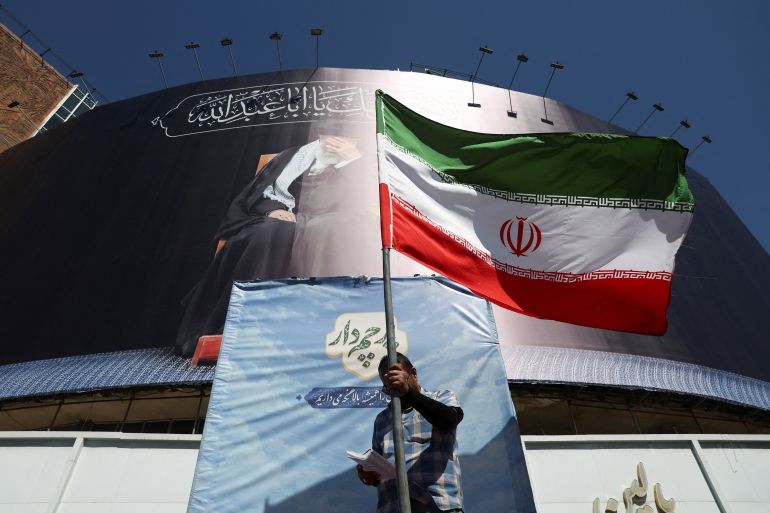
On Thursday, June 18th, a day before the scheduled deadline, the US and Iranian presidents signed an agreement to end the war. However, Israel declared itself out of the agreement and continued its rapid attacks on Hezbollah militants in Lebanon.
After four Israeli soldiers were killed in a Hezbollah attack on Friday, Israel unleashed its missiles and drone bombs against Hezbollah. The strikes resulted in 18 deaths in Lebanon and significant loss of life and property. Iran’s outrage led to the cancellation of talks between the US and Iran in Switzerland.
Seeing the situation worsen after Israel’s lethal strikes, US and Qatari negotiators swung into action and implemented a ceasefire between Israel and Hezbollah from 6:30 pm Indian time on Friday.
Trump’s Statement and the Deal
Trump continued to display his arrogance and then issued a statement claiming Iran’s compulsion had brought it to the negotiating table. “We have ended it, and not a single dollar will be given to Iran by the US,” he said.
“History will record that the US fought a 110-day war with Iran, but for a goal that did not exist. The situation reached after the agreement is the same as before the war. Iran is promising not to develop a nuclear bomb, and the Strait of Hormuz has reopened.”
Currently, the Strait of Hormuz is open without any fees. After 60 days, a discussion will be held with Oman on whether to impose a tax.
Cost of the War
Looking back, the war resulted in 7,500 deaths and 162 trillion rupees were wasted. The peace that was later established was also a “Trishanku” — unstable and incomplete. Even now, the ceasefire agreement is only for 60 days.
Iran appeared to have the upper hand in the war. The US also did not deploy its troops because it could have increased the death toll of the US, which had already lost 15 soldiers. Iran inflicted damage on US military bases in the Gulf countries beyond anything the US has ever experienced before.
Impact on Iran
Iran has benefited from this war by ending its 47-year global exile. It will now be able to openly sell 1.5 million barrels of crude oil daily, and the freeze on its reserves will be lifted.
Regardless of Trump’s claims, the US has lost in this war. What solace can the US find in convincing Iran not to develop a nuclear bomb? Iran has previously stated that it will use nuclear energy for its own needs, not for bomb-making.
As for the Strait of Hormuz, it was already open. It is likely that Iran may impose tariffs on ships transiting the Strait in the future.
Aftermath for the Gulf
Experts have predicted that it will take at least six months for the damaged oil wells in the UAE and Qatar to return to their pre-war state. While there may be some improvement in the supply of crude oil and fertilizers from the Gulf, restoring LPG supplies will take time.
Iran has emerged even more powerful in the Gulf countries. Whether the war will be halted or resumed depends largely on the US. There are doubts about whether the situation will return to normal permanently after Trump’s bold statements.
The Royal Swedish Academy of Sciences on Monday announced the 2026 Nobel Prize in Economics to American economists...

A Sudanese rights group says at least 72 gold miners were killed in an air strike near the...
US President Donald Trump is scheduled to attend the ASEAN summit in Manila on November 16 before travelling...
An Indian national injured in the October 10 attack on Riyadh’s King Khalid International Airport has died, taking...

Ukrainian President Volodymyr Zelenskyy says he was unaware of Donald Trump’s announcement of an immediate energy ceasefire between...

Colombian businessman Alvaro Pulido Vargas has been arrested in Florida over two US federal cases involving alleged bribery...
Aries: The day will be auspicious...