Last Updated: October 18, 2026
Last Updated: October 18, 2026





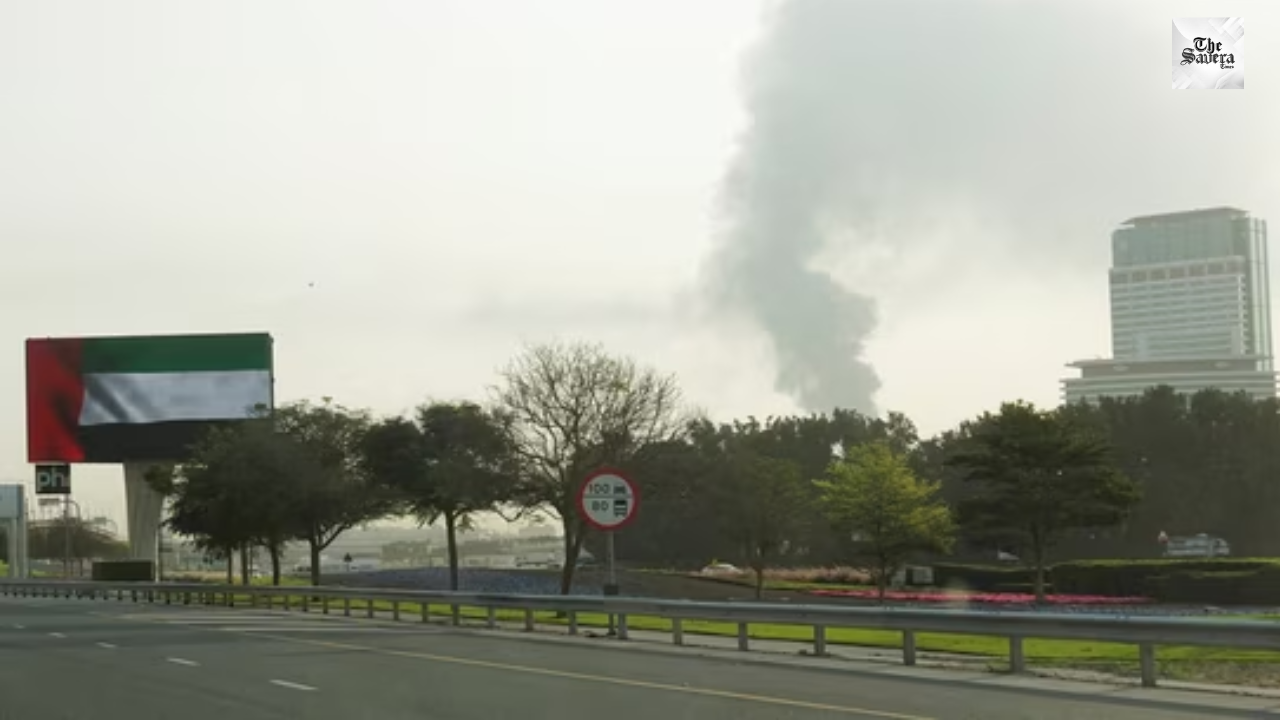
The conflict between the United States, Israel and Iran has intensified as Tehran sought “clarity in stance” from Gulf countries amid a widening regional war. Iranian officials have questioned whether Gulf states are supporting Western military operations against Iran or maintaining neutrality. The demand for clarification comes as tensions rise across West Asia with several countries reporting missile and drone activity linked to the conflict.
Iran has warned neighbouring states against allowing their territories or military bases to be used for attacks against it. The message was directed mainly at Gulf states hosting Western forces, including Bahrain, Qatar and the United Arab Emirates. The escalating rhetoric has heightened fears that the conflict could spread further across the region.
Several Gulf countries reported fresh attacks and interceptions of missiles and drones as the war entered another intense phase. Air-defence systems in Bahrain and Qatar were activated after projectiles were detected in the region, triggering alerts and security responses. Some attacks were linked to Iranian retaliation following strikes on its territory by the United States and Israel.
In Bahrain, a drone strike near key oil infrastructure reportedly caused damage and forced authorities to respond quickly to prevent wider disruptions. Meanwhile, Qatar’s defence systems intercepted missiles over its airspace, reflecting the expanding geographic scope of the conflict. These incidents have raised concerns about the vulnerability of Gulf infrastructure and energy facilities.
Hostilities have also intensified in Israel, including in and around Jerusalem. Missile barrages and air-raid sirens have become increasingly frequent as Iran and allied groups continue launching attacks. Israel has responded with large-scale airstrikes targeting Iranian military infrastructure, missile bases and strategic facilities across Iran.
Israeli officials have indicated that the military campaign could continue for several weeks, signalling a prolonged conflict. The Israeli military claims its operations aim to dismantle Iran’s missile capabilities and prevent further attacks on Israeli territory.
The ongoing war has also shaken global energy markets. The Strait of Hormuz, one of the world’s most critical oil shipping routes, has been heavily disrupted due to military threats and security concerns. Shipping delays and military patrols have significantly reduced traffic through the strait.
As a result, global crude oil prices have surged beyond $100 per barrel, triggering fears of inflation and economic instability worldwide. Several governments and international agencies are considering releasing emergency oil reserves to stabilise markets.
The humanitarian cost of the conflict continues to rise. Reports indicate that thousands of people have been killed or displaced across Iran, Israel and neighbouring regions. Infrastructure damage, internet disruptions and limited access to basic services have worsened conditions for civilians in affected areas.
International leaders and organisations have urged restraint and diplomatic dialogue, warning that continued escalation could destabilise the entire Middle East. However, both sides remain committed to military objectives, suggesting the conflict may continue in the coming weeks
A major fire at Canadian Forces Base Wainwright in Alberta has left several people dead and others injured....
Paris: France witnessed widespread unrest on Saturday as demonstrations over the rising cost of living, deteriorating public services...

Azad M. Madni, an Indian-American engineer and USC professor who grew up in Mumbai, has won the 2026...

Nairobi: Kenya’s Ministry of Health on Saturday confirmed four new cases of Ebola Bundibugyo virus disease, bringing the...

Increasing Houthi attacks on Saudi Arabia are testing Pakistan’s ability to defend Riyadh without affecting its ties with...
Nepal is seeking substantial financial assistance from India ahead of Prime Minister Balendra Shah’s proposed visit to New...

Aries: The day will be auspicious...