Last Updated: October 18, 2026
Last Updated: October 18, 2026





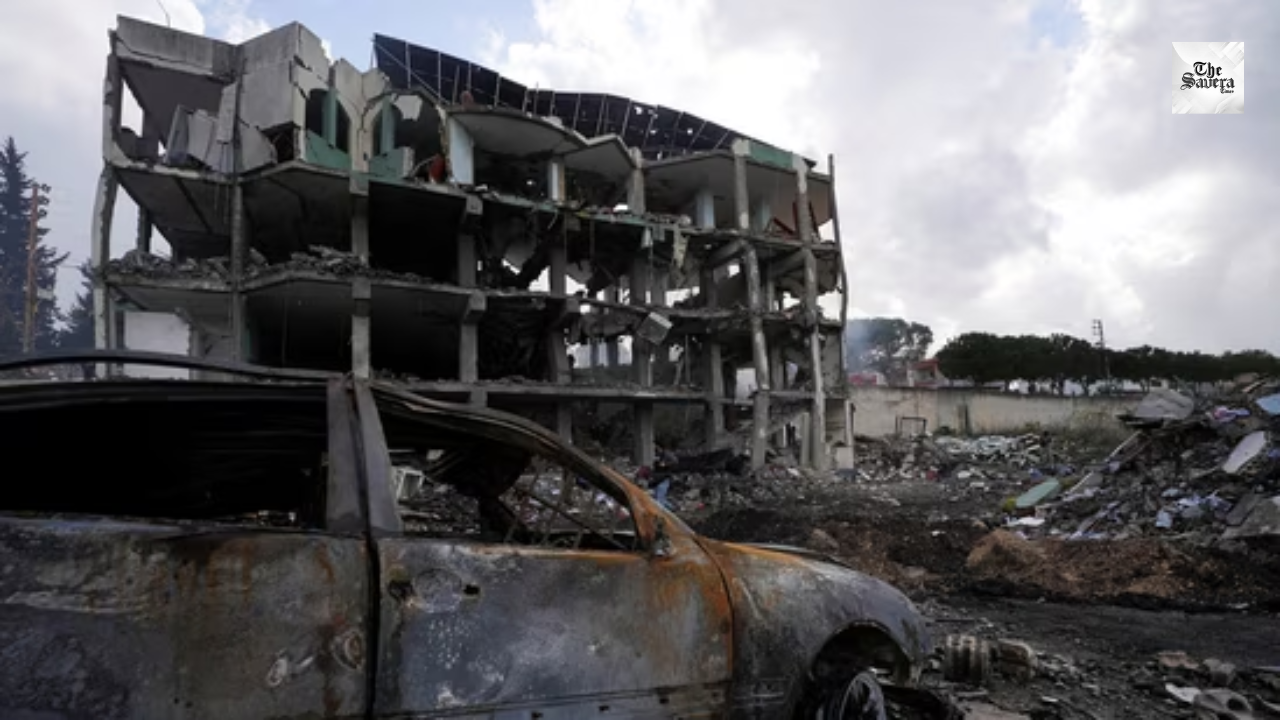
The prolonged conflict between the United States, Israel, and Iran has escalated significantly, spreading beyond direct strikes on Iranian territory to involve several Middle Eastern nations and diplomatic efforts by world leaders. The crisis continues to disrupt global security, energy markets and regional stability as both sides conduct military operations and engage in strategic manoeuvres on multiple fronts.
Amid rising hostilities, Iran’s president reportedly contacted French President Emmanuel Macron to discuss the spiralling crisis and potential diplomatic solutions, highlighting deep international concern over the conflict’s trajectory. The move comes as global leaders attempt to balance calls for de‑escalation with military realities on the ground.
France and other European nations have increasingly pushed for some form of negotiation or safe passage for civilians and non‑combatants, though talks remain fraught and progress has been limited.
Tensions are not limited to Iran and the U.S. alone. Saudi Arabia’s defence forces reported intercepting multiple hostile drones aimed at strategic targets, including oil fields and military installations. The attacks underscore how the conflict is drawing in Gulf partners and threatening vital energy infrastructure across the region.
Saudi officials have condemned Iranian drone strikes as unacceptable and reiterated their commitment to national defence. They have warned Tehran of serious repercussions should attacks continue.
In Iraq’s capital, a missile or rocket attack near Baghdad International Airport injured at least five people, according to reports. The incident is part of a broader pattern of violence involving Iran‑aligned militias targeting U.S. and allied assets in Iraq as retaliation for ongoing military operations against Iran and its proxies.
The strike near the airport further underscores how the war’s effects are spilling over into neighbouring countries, destabilising Iraq — a key strategic location for U.S. forces in the region.
One of the most consequential developments of the conflict has been Iran’s control and effective closure of the Strait of Hormuz, a critical maritime chokepoint through which roughly 20% of global oil supplies transit. This blockade has pushed global oil prices significantly higher, triggered emergency energy measures by major powers, and heightened fears of a sustained energy crisis.
President Trump and U.S. officials have repeatedly highlighted efforts to reopen shipping lanes but have yet to secure enough international support for a broad naval escort mission.
The war’s spillover effects extend across the Middle East:
Lebanon and Gaza have seen intensified airstrikes and ground violence, with the humanitarian toll rising daily.
UAE, Bahrain, and other Gulf states have reported drone and missile attacks causing both infrastructure damage and civilian casualties.
Global markets and sporting events have been disrupted due to geopolitical uncertainty.
World leaders, including the Pope and several regional officials, have joined calls for de‑escalation, even as combat operations persist.
Despite occasional diplomatic outreach, including calls between high‑level leaders, the war shows no clear sign of abating. Both sides continue military operations, and major global powers remain divided on pathways to peace or containment. Broader international engagement — whether through sanctions, naval deployments, or energy policy shifts — is ongoing, but the potential for further escalation remains a key concern for policymakers worldwide.
Nairobi: Kenya’s Ministry of Health on Saturday confirmed four new cases of Ebola Bundibugyo virus disease, bringing the...

Increasing Houthi attacks on Saudi Arabia are testing Pakistan’s ability to defend Riyadh without affecting its ties with...
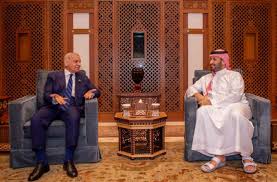
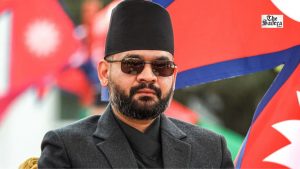
Nepal is seeking substantial financial assistance from India ahead of Prime Minister Balendra Shah’s proposed visit to New...
The race to succeed Antonio Guterres remains uncertain after three leading candidates faced opposition from two permanent members...
Democratic lawmakers have criticised Donald Trump for waiving key sanctions and tariff provisions under the Graham Act, citing...
Shipping Minister Sarbananda Sonowal confirmed that all 24 Indian seafarers aboard two vessels struck in separate incidents in...
Aries: The day will be auspicious...