Last Updated: October 12, 2026
Last Updated: October 12, 2026





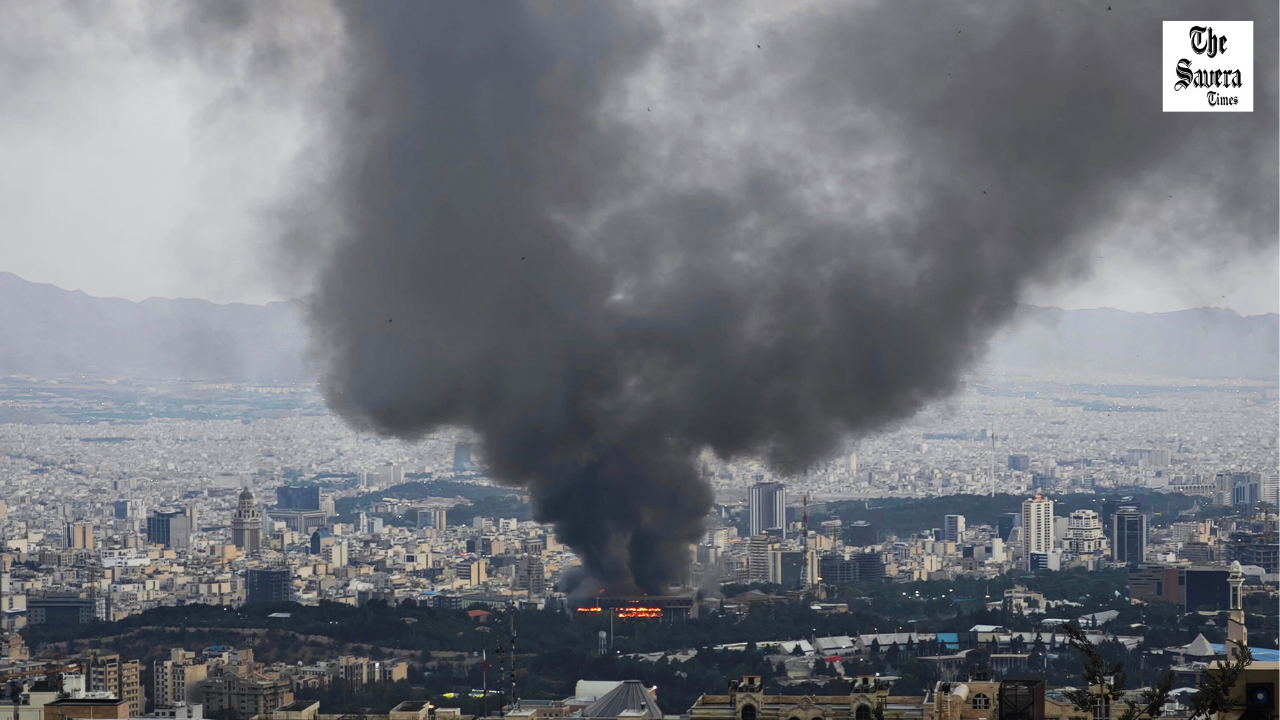
Amid the ongoing conflict involving the United States, Israel and Iran, Tehran has signaled a possible step toward de-escalation after Iranian President Masoud Pezeshkian issued an apology to neighbouring Gulf nations for recent attacks.
The apology comes after Iranian missile and drone strikes reportedly targeted areas in countries such as Saudi Arabia, Bahrain and the United Arab Emirates, where U.S. military bases are located. Iran said it regrets the disruption caused to neighbouring countries and indicated that it would avoid further attacks unless it is directly targeted.
The statement is being interpreted by analysts as the first major diplomatic signal from Tehran that it may be willing to ease tensions after days of intense military exchanges across the Middle East.
The war between Iran and the U.S.–Israel alliance entered its second week with continuing military operations and growing humanitarian concerns. The conflict began after coordinated strikes by the United States and Israel on Iranian military and nuclear infrastructure on February 28, 2026, marking the start of a major regional war.
Since then, both sides have launched attacks across multiple countries in the Middle East. Iranian forces retaliated by firing missiles and drones toward Israeli territory and U.S.-linked facilities in the Gulf region.
According to reports, the conflict has already caused over 1,200 deaths in Iran, along with casualties in Israel, Lebanon and other neighbouring countries. Thousands of civilians have also been displaced as airstrikes and retaliatory attacks spread across the region.
Several Gulf countries hosting U.S. military bases have found themselves caught in the crossfire as Iran targeted sites it believed were being used to support the U.S.–Israeli campaign.
Drone and missile strikes were reported near critical infrastructure and military facilities, including areas around airports and oil facilities in the Gulf region. In some cases, falling debris from intercepted missiles caused damage to civilian areas.
These attacks disrupted air travel and raised concerns among Gulf governments, which have called for restraint and urged all parties to avoid turning the wider region into a battlefield.
Despite Iran’s conciliatory tone toward its neighbours, tensions with Washington remain extremely high. U.S. President Donald Trump has demanded Iran’s “unconditional surrender,” warning that military operations could continue until Iran’s missile and nuclear capabilities are neutralized.
The United States and Israel have continued airstrikes targeting Iranian military infrastructure, including naval assets, missile facilities and command centres. Washington argues that the operations are aimed at preventing Iran from developing nuclear weapons and weakening its regional military influence.
Iran, however, has rejected calls for surrender and insisted that its sovereignty and leadership cannot be dictated by foreign powers.
The escalating conflict has triggered international concern, with several countries and organizations urging immediate de-escalation.
European leaders have warned that a prolonged war could destabilize the entire Middle East and disrupt global energy markets, particularly if shipping routes such as the Strait of Hormuz are affected.
Diplomatic efforts are now underway to prevent the conflict from spreading further, although a clear ceasefire agreement has not yet been reached.
The war has already begun to affect global markets. Oil prices have surged due to fears of supply disruptions from the Gulf region, one of the world’s most critical energy hubs.
Air travel has also been disrupted as airlines avoid conflict zones, leaving thousands of passengers stranded worldwide. Additionally, global trade routes through the Middle East face increased risks due to missile and drone attacks near key shipping lanes.
Experts warn that if the conflict continues to expand, it could trigger long-term economic and geopolitical consequences far beyond the region.
While Iran’s apology to neighbouring nations signals a potential attempt to ease regional tensions, the broader conflict between Tehran and the U.S.–Israel alliance remains unresolved.
Military operations are ongoing, and diplomatic negotiations have yet to produce a concrete roadmap for a ceasefire. Analysts say the coming days will be crucial in determining whether the conflict moves toward de-escalation or escalates into a wider regional war.
For now, the world is closely watching developments in West Asia as governments attempt to balance military strategy with urgent calls for diplomacy.
The Royal Swedish Academy of Sciences on Monday announced the 2026 Nobel Prize in Economics to American economists...

A Sudanese rights group says at least 72 gold miners were killed in an air strike near the...
US President Donald Trump is scheduled to attend the ASEAN summit in Manila on November 16 before travelling...
An Indian national injured in the October 10 attack on Riyadh’s King Khalid International Airport has died, taking...

Ukrainian President Volodymyr Zelenskyy says he was unaware of Donald Trump’s announcement of an immediate energy ceasefire between...

Colombian businessman Alvaro Pulido Vargas has been arrested in Florida over two US federal cases involving alleged bribery...

Aries: The day will be auspicious...