Last Updated: October 18, 2026
Last Updated: October 18, 2026





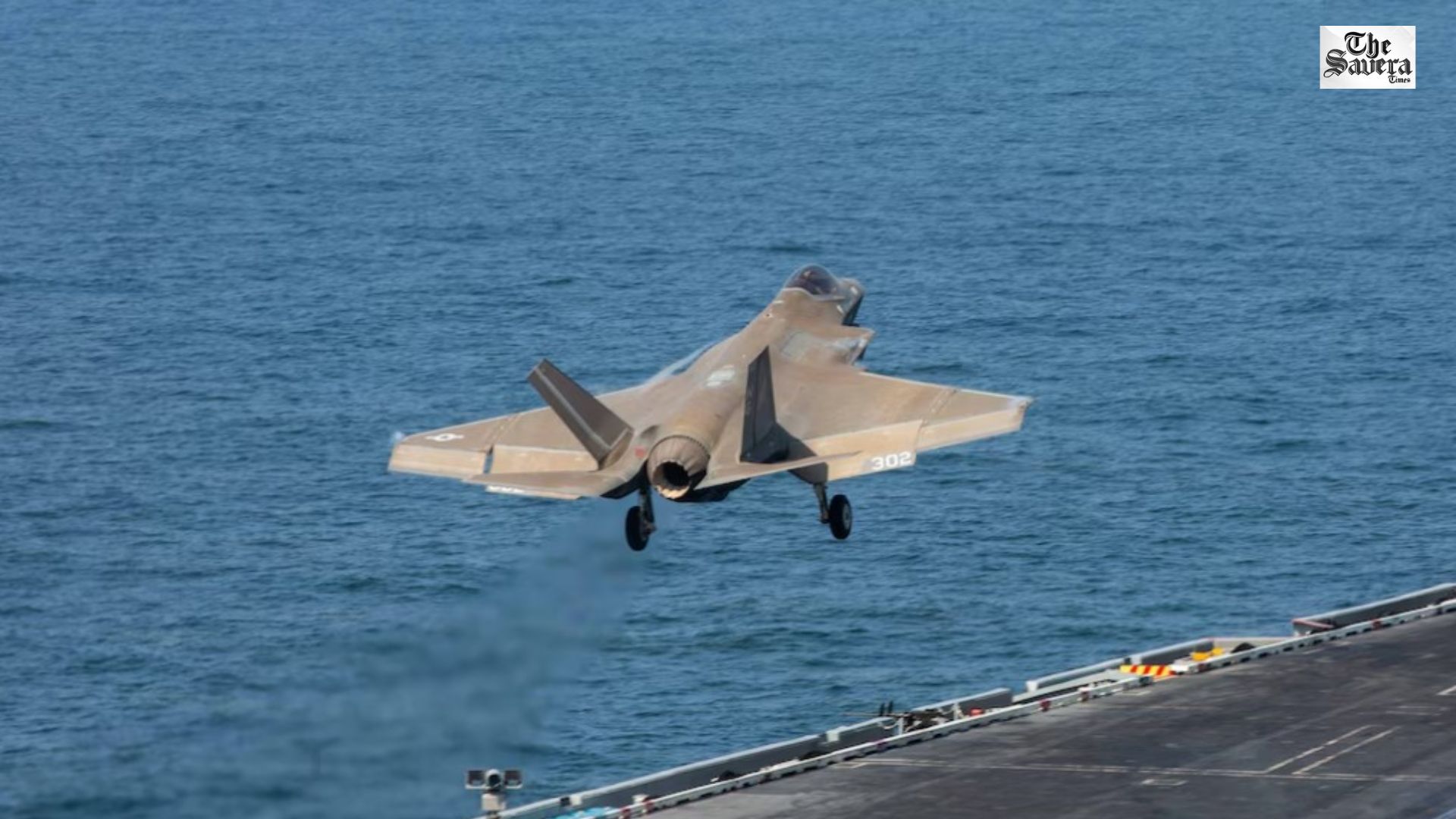
Washington: The Trump administration’s military campaign against Iran came under sharp scrutiny during a Senate hearing in Washington, where top US commanders defended recent operations and claimed Tehran’s military strength had been significantly reduced.
Appearing before the Senate Armed Services Committee, Admiral Charles Cooper II said Operation Epic Fury had successfully weakened Iran’s ability to project military power across the Middle East.
According to Cooper, US Central Command forces achieved their objectives within weeks and heavily damaged Iran’s missile, drone, and naval infrastructure.
He told lawmakers that nearly 90 percent of Iran’s military industrial capability linked to missile and drone operations had been degraded. Cooper also claimed Iran’s naval strength may not recover to its earlier levels “for a generation.”
Republicans Back Military Action, Democrats Raise Concerns
Republican senators strongly defended the administration’s actions during the hearing. Senator Roger Wicker accused Iran of supporting terrorism, threatening US interests, and pursuing nuclear and ballistic missile capabilities for decades.
Senator Tom Cotton argued that Iran now poses a significantly lower threat following the military operation. Cooper agreed, stating that Tehran currently lacks the ability to launch large-scale missile and drone attacks similar to those seen in recent years.
However, Democratic lawmakers questioned the administration’s broader strategy and warned about the long-term consequences of the conflict.
Senator Jack Reed said there was “no purely military solution” to the Iran nuclear issue and criticised the administration for lacking a clear long-term plan.
Senator Tim Kaine warned that sidelining diplomacy could lead to a prolonged conflict in the Middle East.
Strait of Hormuz Concerns Raise Economic Fears
During the hearing, lawmakers also focused on the closure risks surrounding the Strait of Hormuz, one of the world’s most critical oil shipping routes.
Several senators warned that disruptions in the strategic waterway were already affecting global trade and increasing fuel costs for consumers.
Cooper acknowledged that Iran still retains some capability to threaten shipping routes and regional infrastructure, though he insisted those capabilities had been “dramatically degraded” after the US strikes.
The growing tensions in the Middle East have already contributed to volatility in global oil markets and renewed fears of a wider regional conflict.
US Officials Warn About Rising Terror Threat in Africa
The Senate hearing also shifted attention to Africa, where General Dagvin Anderson warned lawmakers that parts of the continent have become a major hub for global terrorism.
According to Anderson, extremist groups linked to ISIS and Al Qaeda are expanding across regions including the Sahel and Somalia. He also expressed concern over increasing Chinese and Russian influence in Africa through infrastructure investments, military partnerships, and information campaigns.
US officials further warned about intelligence gaps across several African regions, which they believe could pose future security challenges.
India’s reported three-part truce proposal aims to halt attacks on energy infrastructure, protect Black Sea shipping and maintain...
A major fire at Canadian Forces Base Wainwright in Alberta has left several people dead and others injured....

Paris: France witnessed widespread unrest on Saturday as demonstrations over the rising cost of living, deteriorating public services...

Azad M. Madni, an Indian-American engineer and USC professor who grew up in Mumbai, has won the 2026...

Nairobi: Kenya’s Ministry of Health on Saturday confirmed four new cases of Ebola Bundibugyo virus disease, bringing the...

Increasing Houthi attacks on Saudi Arabia are testing Pakistan’s ability to defend Riyadh without affecting its ties with...
Aries: The day will be auspicious...