The United States has decided not to renew key oil waivers for Russia and Iran, a move that could significantly impact global energy markets and countries like India that rely heavily on imported crude oil.
The decision, confirmed by US Treasury Secretary Scott Bessent, marks a major shift in Washington’s sanctions policy and signals stricter enforcement against both Russia and Iran.
What Were the Oil Waivers?
The oil waivers were temporary permissions granted by the United States that allowed certain countries to continue purchasing Russian and Iranian oil without facing sanctions.
These waivers were especially important during recent geopolitical tensions, including the Russia-Ukraine War and the ongoing conflict involving Iran.
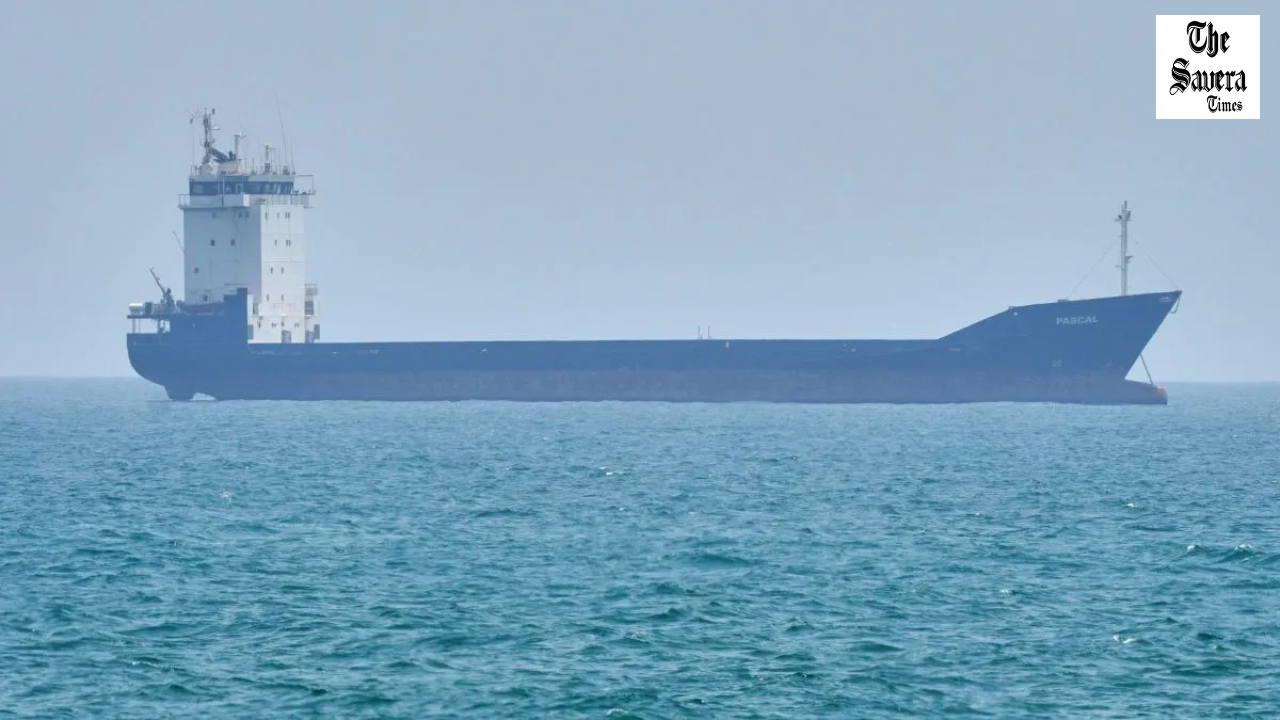
They allowed shipments of oil that were already in transit—often referred to as “oil at sea”—to be delivered without legal or financial penalties. However, the US has now made it clear that no further extensions will be granted.
Why Has the US Taken This Step?
The move is part of a broader strategy to tighten economic pressure on Russia and Iran by restricting their energy revenues.
Officials in Washington believe that cutting off oil trade routes will weaken both countries financially, especially amid ongoing geopolitical conflicts.
According to reports, earlier waivers were introduced as a temporary measure to stabilize global oil markets during disruptions. But with most of the oil shipments already completed, the US sees no need for further relaxation.
Impact on India
India is expected to be among the most affected countries by this decision.
In recent years, India has emerged as one of the largest buyers of Russian crude oil, benefiting from discounted prices. These imports helped India manage rising global oil prices and maintain domestic fuel stability.
With the waivers now ending, India may face:
- Higher crude oil import costs
- Reduced access to discounted Russian oil
- Increased pressure on fuel prices
India had significantly ramped up imports from Russia, with volumes reaching record highs in recent months.
Experts warn that this could directly impact inflation, as fuel prices influence transportation, manufacturing, and daily living costs.
Global Energy Market Concerns
The decision comes at a time when global energy markets are already under stress due to geopolitical tensions in West Asia.
A key concern remains the Strait of Hormuz, a crucial oil transit route through which a large portion of the world’s oil supply passes. Any disruption in this region can trigger sharp increases in crude oil prices.
Recent conflicts have already caused volatility, and the removal of waivers could further tighten global oil supply.
India’s Possible Response
India is likely to respond by diversifying its oil import sources and strengthening its energy security strategy.
The government may increase purchases from other oil-producing nations, tap into strategic reserves, and accelerate investments in renewable energy.
At the same time, India will need to carefully balance its diplomatic ties with both the United States and Russia, ensuring that its economic interests remain protected.
Conclusion
The US decision to end oil waivers for Russia and Iran marks a significant turning point in global energy politics.
For India, the move presents both a challenge and an opportunity—forcing policymakers to rethink energy strategies while navigating a complex geopolitical landscape.
As global oil markets react to this shift, the coming weeks will be crucial in determining how deeply the impact is felt on fuel prices and the broader economy.