Last Updated: October 12, 2026
Last Updated: October 12, 2026





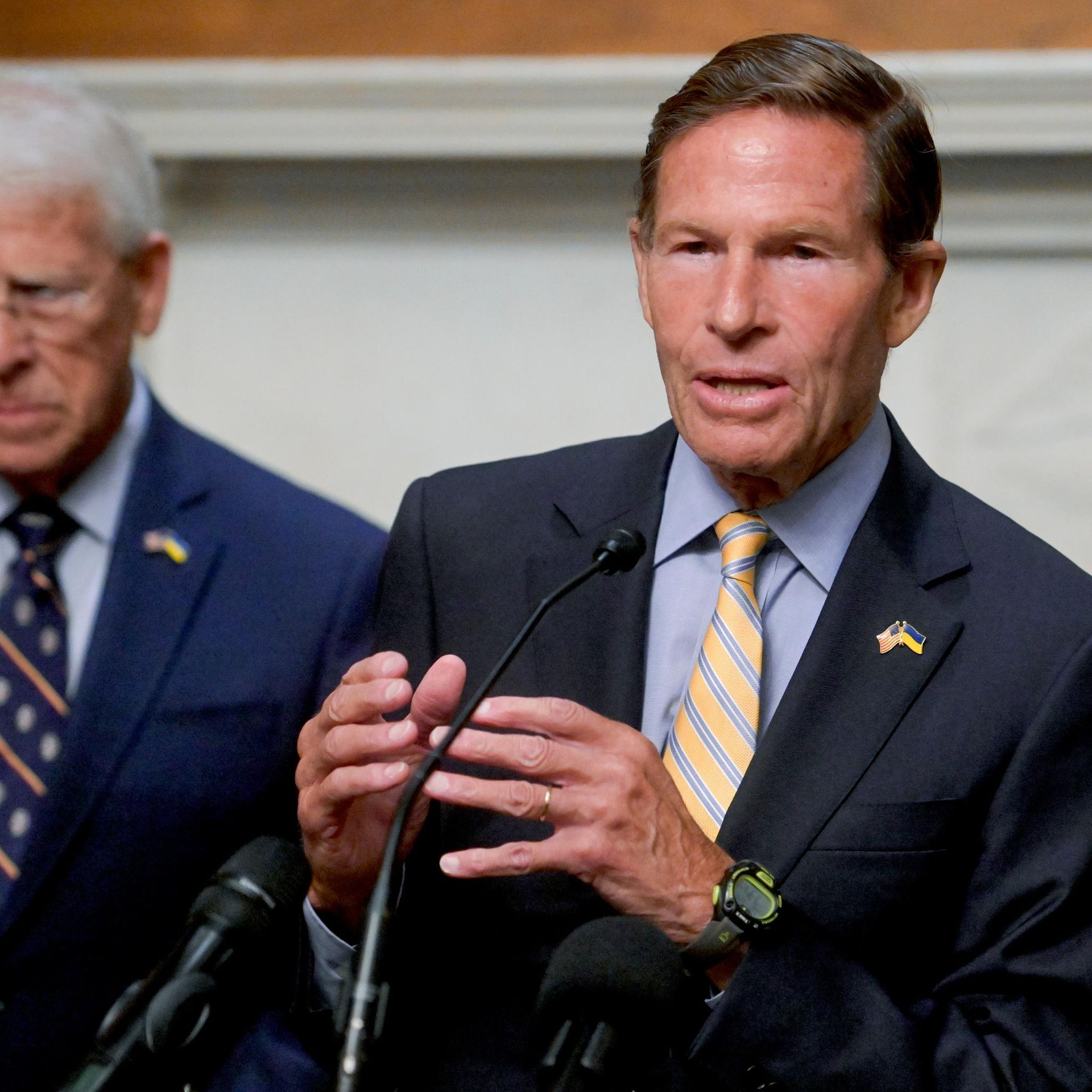
Washington: The US Senate has passed a sweeping bipartisan bill aimed at tightening economic pressure on Russia and penalising countries that continue to buy Russian energy, putting major consumers such as India and China under renewed scrutiny.
The Lindsey O. Graham Sanctioning Russia and Iran Act of 2026 cleared the Senate in an 86–11 vote on Friday. The legislation, championed by the late Senator Lindsey Graham, now moves to the House of Representatives for consideration.
A key provision of the bill gives US President Donald Trump authority to impose tariffs of up to 100 per cent on countries that continue purchasing Russian oil, gas and other energy products. India and China are among the major buyers of Russian energy and could therefore face significant economic pressure if the measure becomes law.
The legislation is part of Washington’s broader effort to reduce Moscow’s energy revenues, which the US argues help finance Russia’s ongoing war in Ukraine. It also proposes additional sanctions against Russian officials, financial institutions and companies linked to the country’s defence and energy sectors, while targeting Russia’s so-called shadow fleet of oil tankers used to circumvent sanctions.
For India, the legislation comes at a sensitive time. New Delhi has continued purchasing Russian crude because of its price advantage and importance to India’s energy security. The possibility of US tariffs on countries buying Russian energy could therefore put additional pressure on India-US trade relations and ongoing bilateral negotiations. A senior White House economic adviser has so far declined to say whether the sanctions measure would be linked to the current India-US trade talks.
China, the world’s largest buyer of Russian energy, could also be significantly affected. The bill’s proposed tariff mechanism is designed to pressure major purchasers to reduce their dependence on Russian energy without directly targeting only Russia itself.
The legislation nevertheless faces hurdles in the House. Some lawmakers have raised concerns that giving the President broad authority to impose tariffs could trigger wider trade conflicts and increase costs for American consumers. An attempt in the Senate to remove the expanded tariff authority failed.
The House is currently on summer recess and is expected to take up the measure after lawmakers return on August 31. Until both chambers approve the legislation and it is signed into law, the proposed tariffs on Russian-oil buyers are not yet in effect.
The Senate vote marks a major escalation in Washington’s campaign to squeeze Russia’s energy revenues — and places India and China at the centre of a growing geopolitical and economic confrontation over Russian oil.
A Sudanese rights group says at least 72 gold miners were killed in an air strike near the...

US President Donald Trump is scheduled to attend the ASEAN summit in Manila on November 16 before travelling...
An Indian national injured in the October 10 attack on Riyadh’s King Khalid International Airport has died, taking...

Ukrainian President Volodymyr Zelenskyy says he was unaware of Donald Trump’s announcement of an immediate energy ceasefire between...

Colombian businessman Alvaro Pulido Vargas has been arrested in Florida over two US federal cases involving alleged bribery...

Republican Senator Thom Tillis has questioned the legality of Trump's Russian diesel deal, while John Barrasso defended it...

Aries: The day will be auspicious...