Last Updated: October 14, 2026
Last Updated: October 14, 2026





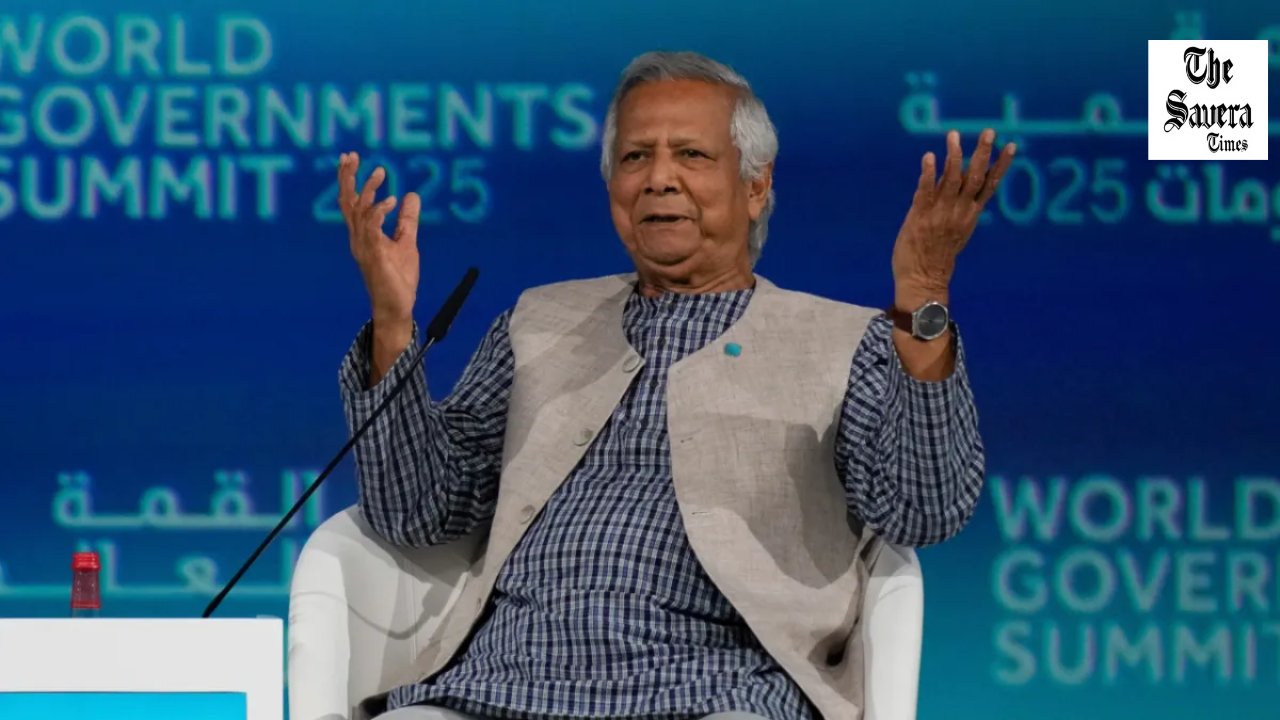
The United States and Bangladesh have signed a reciprocal trade agreement aimed at strengthening economic ties and facilitating greater trade flows between the two countries. Under the pact, U.S. tariffs on most Bangladeshi exports will be reduced to a flat 19 per cent, slightly down from the previous 20 per cent rate.
The 19 % tariff rate is beneficial for Bangladesh’s key ready‑made garment (RMG) export sector which accounts for around 80 % of its export earnings and employs millions offering incremental relief after reductions from an initially much higher level.
Negotiations began in April last year and lasted nine months, reflecting a concerted effort to secure better market access for Bangladeshi goods in the U.S. economy.
The agreement includes a mechanism to allow certain textile and apparel products made in Bangladesh using U.S.‑produced cotton or man‑made fibres to enter the U.S. market without tariffs a significant perk for Bangladesh’s dominant garments industry.
In return, Bangladesh has committed to granting preferential access for a range of U.S. industrial and agricultural products, including machinery, vehicles, dairy, beef, poultry, nuts and fruit, and more. The deal also includes measures to address non‑tariff barriers such as recognizing U.S. safety and regulatory standards.
The trade pact goes beyond tariffs. It is part of broader commercial cooperation that includes plans for Bangladesh to purchase U.S. agricultural products, energy goods and aircraft over the coming years, further deepening bilateral economic engagement.
This tariff reduction comes amid shifting global trade dynamics, including a recent U.S. deal with India where tariffs were cut to 18 % a slightly lower rate than Bangladesh’s prompting discussion about competitive advantages in textile and apparel exports to the U.S. market.
A major train accident occurred on Tuesday in the Multan district of Pakistan's Punjab province. At least four...

Canadian Foreign Minister Anita Anand will arrive in New Delhi on an official visit on Tuesday. During her...
International human rights organization Amnesty International has expressed serious concern over the alleged arbitrary arrests of prominent leaders...

US President Donald Trump says Vladimir Putin may be more willing than Volodymyr Zelenskyy to reach a peace...
A magnitude 6.1 earthquake struck Panama early Tuesday at a depth of 10 kilometres. The tremor followed a...

US President Donald Trump has indicated the possibility of meeting North Korean leader Kim Jong Un during his...
Aries: The day will be auspicious...