Last Updated: October 19, 2026
Last Updated: October 19, 2026





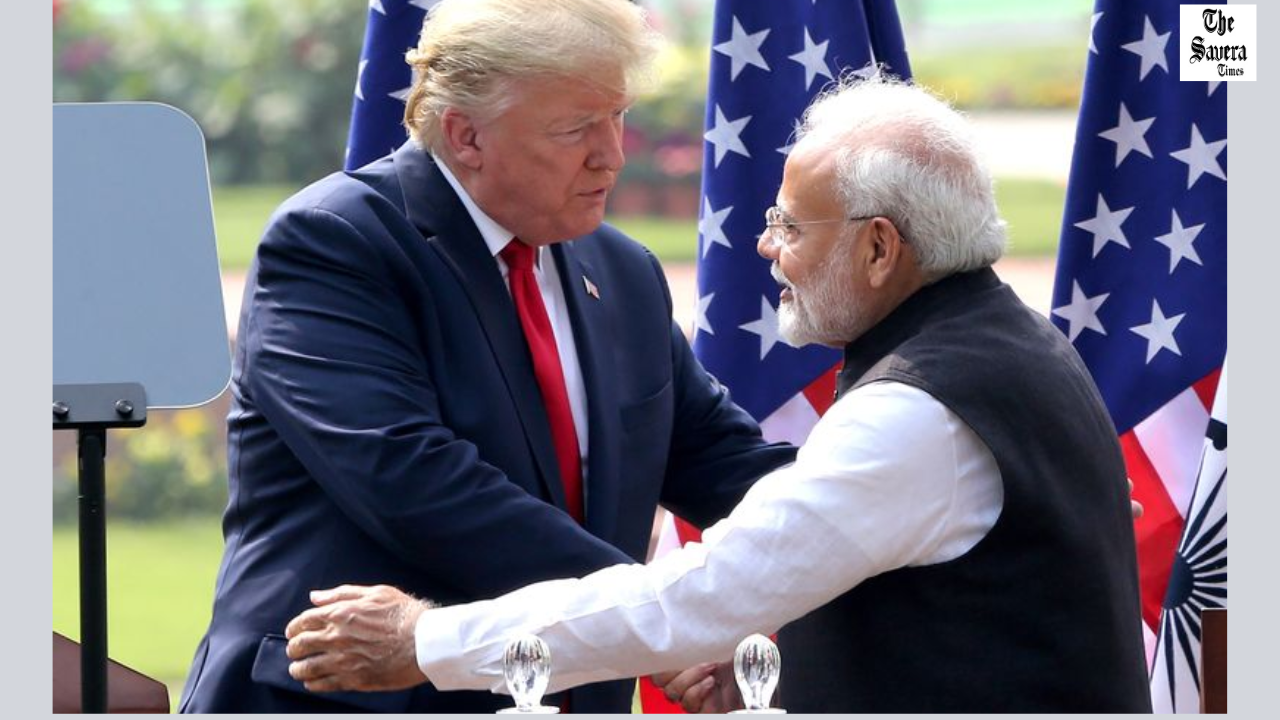
Industry leaders across India have welcomed the recent lowering of U.S. tariffs on Indian goods, describing it as a major boost for export competitiveness and bilateral economic cooperation. The development comes after the governments of India, and the United States announced a framework for an interim trade agreement that reduces trade barriers and cuts reciprocal tariffs applied by the U.S. on Indian products to 18 per cent.
Under the new arrangement, the United States will impose a reciprocal tariff rate of around 18% on a wide range of Indian-made goods, down from punitive levels that had risen following previous trade tensions. This reset is widely seen as an opportunity to revive order flows and competitiveness for Indian exporters in one of the world’s largest consumer markets.
The tariff reduction is part of a broader interim trade framework negotiated between New Delhi and Washington, aimed at laying the groundwork for a more comprehensive Bilateral Trade Agreement (BTA). Both sides have also agreed to work on non-tariff barriers and preferential market access arrangements as part of the deal.
Industry bodies have flagged several sectors that stand to gain significantly from the tariff cut:
Textiles and Apparel: With the United States as a major destination for Indian textiles, the cut is expected to restore competitiveness and boost shipments.
Leather and Footwear: Lower duties will improve pricing power for Indian leather goods in the U.S. market.
Plastics, Rubber and Organic Chemicals: These industrial goods segments are expected to see greater demand due to reduced costs.
Home Décor and Artisanal Products: Smaller MSME-oriented export segments will benefit from easier access and improved price points.
Select Machinery and Industrial Equipment: Capital and intermediate goods destined for U.S. partners may see renewed orders and investments.
Industry executives see this as a much-needed relief after months of tariff pressures, saying the reduction will lower landed costs and enhance buyer confidence in key markets.
Trade associations such as the PHD Chamber of Commerce have applauded the reciprocal tariff cut, noting that it can stimulate export growth, support MSMEs, and create downstream employment opportunities.
The US-India Business Council (USIBC) also praised the interim agreement, highlighting its role in fostering balanced and mutually beneficial trade and reinforcing economic ties between the two countries.
Financial markets reacted positively to the tariff news, with key Indian stock indices showing gains on improved export sentiment. Analysts say the reduction in trade barriers may attract foreign investment and strengthen India’s position in global supply chains, particularly in sectors with established U.S. demand.
While the tariff cut is a welcome development for Indian exporters, the full impact will depend on the finalisation and implementation of the comprehensive trade agreement between India and the United States. Negotiations are expected to continue, with both sides exploring broader market access and regulatory alignment.
Still, the move marks a significant reset in trade relations, providing exporters a clearer pathway to gain competitiveness, expand market share, and fuel growth across priority sectors.
The judicial custody of Cockroach Janata Party (CJP) leaders Ashutosh Ranka and Saurav Das was extended by two...

Three people were killed and several others injured in separate incidents in Imphal East and Thoubal districts of...

The number of Ebola virus cases in Kenya has risen to eight. Health officials have confirmed that a...

A controversy erupted during Punjabi singer Daler Mehndi's live performance in Uttarakhand's Tehri Garhwal district. Daler Mehndi, who...

Houthi rebels fired several ballistic missiles at a government army training camp in Yemen's Shabwa province on Monday.

Jamia Millia Islamia (JMI) has formed a seven-member committee to negotiate with students protesting for the reinstatement of...

Aries: The day will be auspicious...