Last Updated: November 3, 2026
Last Updated: November 3, 2026





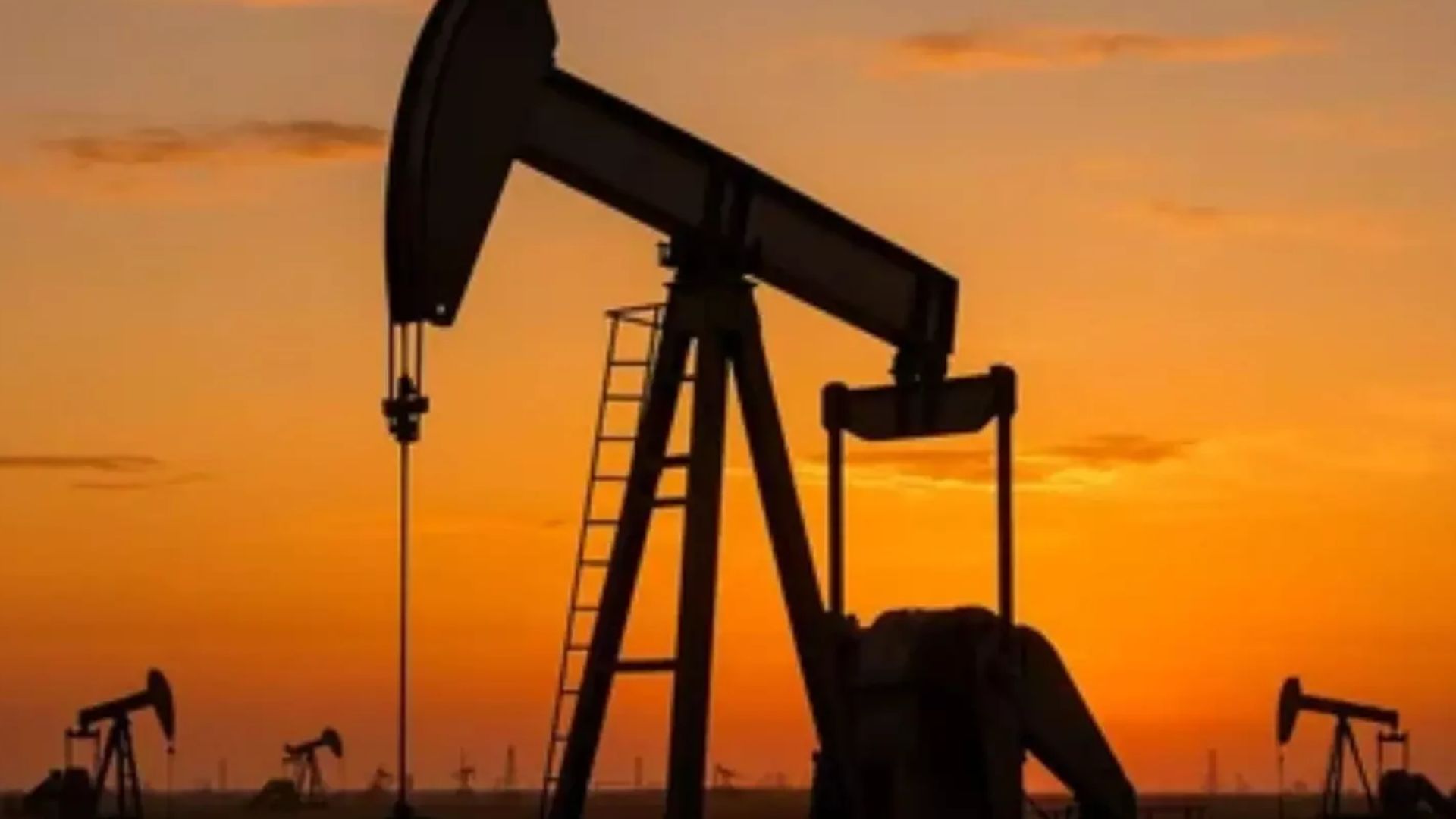
The United States’ decision to waive Russia-linked tariff and sanctions measures on major buyers of Russian-origin oil and gas could provide significant relief to Indian exporters, restore business confidence and help accelerate bilateral trade. The Executive Order signed by President Donald Trump recently could boost bilateral trade momentum, support employment and advance the $500 billion India–US bilateral trade ambition by 2030. The order eased the immediate threat of additional tariffs of up to 100% on Indian exports linked to Russian energy purchases, reducing uncertainty for businesses. Businesses gain more room to plan shipments, negotiate contracts, and make investment decisions with greater confidence. Engineering goods and industrial machinery exports rely on long-term procurement relationships, competitive pricing and reliable delivery schedules. US importers can assess Indian sourcing options without the same immediate concern, the report said, adding that businesses on both sides can focus more on expanding commercial opportunities rather than on responding to successive policy uncertainties. Although the waiver does not eliminate every tariffrelated challenge, it reduces the risk of further escalation in trade tensions and provides an opportunity to rebuild momentum in one of India’s most important export markets. The United States remains India’s largest destination for merchandise exports, comprising manufacturing, pharmaceuticals, engineering, electronics and labour-intensive goods. India’s merchandise exports to the US rose from about $86.5 billion in FY25 to $87.3 billion in FY26, up about 0.9 per cent despite tariff measures during the year. Exports in September 2026 rose to $8.02 billion, up 48 per cent from $5.42 billion in September 2025. Greater coordination on energy, manufacturing, technology, investment and supply chains can help both countries identify shared interests and reduce the risk of future disruptions. It may be noted that US President Trump has put into effect the tariffs of a new US law targeting buyers of Russian oil and then waived them in the same order, sparing countries such as India and China, a 100 per cent duty, a day before it was due to bite and as Secretary of State Marco Rubio heads to India. The executive order, posted by the White, implements the Lindsey O. Graham Sanctioning Russia and Iran Act of 2026. Trump signed the law on September 18. It required duties of up to 100 per cent on goods from the biggest buyers of Russian oil and gas within 30 days, a deadline that falls on Sunday, October 18. The order raises the duty on goods from “the largest 5 importers of crude oil and natural gas that originated in the Russian Federation” by 100 per cent “if the country knowingly makes new purchases of crude oil or natural gas that originated in the Russian Federation on or after October 18, 2026”. It imposes the same 100 per cent increase on goods from “the top 5 facilitators of Russian oil sanctions evasion” and raises the duty on goods from Russia itself by 500 per cent. But Section 4 of the order immediately suspends those measures. The order also waives most of the law’s sanctions on foreign persons, covering sections 102(a), 102(d), 102(e), 103 to 111 and 117 of the Act. The waivers “shall remain in effect until such time as the President or the Secretary of State, in consultation with the Secretary of the Treasury and the Trade Representative, as appropriate, determine that further action is appropriate. The order does not name any country. But Trump said he had sent Congress the written certification the law requires, stating that “the issuance of such a waiver is in the national interests of the United States”, together with “a report explaining the basis for the certification”. Neither the certification nor the report has been made public. The pressure is not removed entirely. The US Trade Representative, working with the Secretaries of State, Treasury and Energy, is to “monitor the circumstances related to the importation and purchases by countries of crude oil and natural gas of Russian Federation origin” and “promptly inform the President of any circumstance that, in his opinion, might indicate the need for further action by the President, including with respect to the waivers”. The Trade Representative must also report to the President on “which countries are among the top 5” facilitators of Russian oil sanctions evasion. The order leaves existing US sanctions on Russia in place. “For the avoidance of doubt, nothing in this order affects any sanctions or other measures provided for under any Executive Order issued to address the national emergency” with respect to Russia.
Amid escalating military tensions between Iran and the US, multiple explosions were heard on Qeshm Island and Bandar...
Afghanistan has expressed its “serious concern” over reports that the United States intends to transfer certain Afghan refugees...

India and New Zealand are entering a new phase of bilateral engagement, moving beyond traditional diplomatic friendship towards...
Belgian Prime Minister Bart De Wever has offered his resignation to King Philippe after failing to secure an...
Iran has proposed reopening the Strait of Hormuz within two days if Washington accepts its conditions. Tehran says...
Halloween weekend celebrations across the US were marred by shootings in several states, leaving at least 24 people...

Aries: The day will be auspicious...