Last Updated: October 21, 2026
Last Updated: October 21, 2026





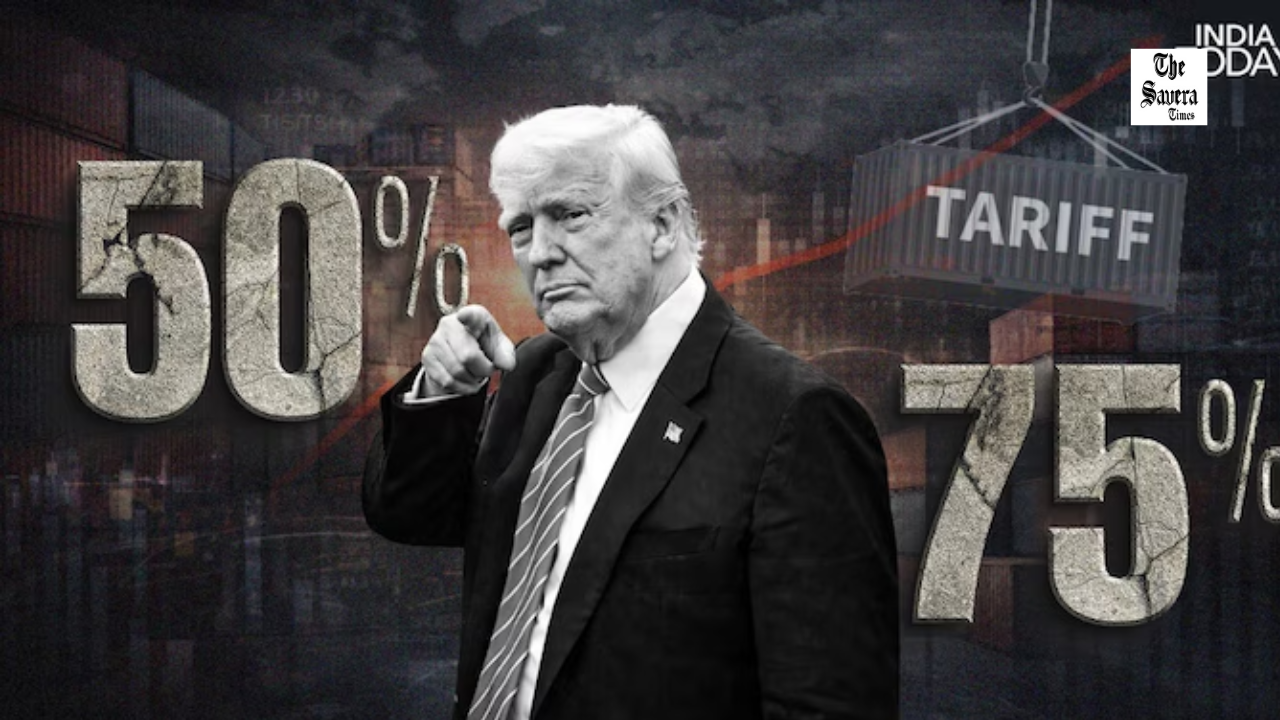
The United States recently announced a 25% tariff on any country continuing to trade with Iran, aiming to pressure Tehran amid escalating geopolitical tensions. While the tariff seems straightforward, it could have larger implications for countries like India, where existing tariffs on exports to the US are already high.
India already faces high duties on many goods exported to the US, often around 50% for certain products. If the new 25% Iran-linked tariff is added on top of existing tariffs, the effective total tariff could reach as high as 75% on specific products, making Indian exports significantly costlier in the US market.
Despite the alarm, India’s actual trade volume with Iran is relatively small, roughly $1.6–1.7 billion in 2024-25. Government officials note that the direct economic impact of the US tariff on India’s overall exports is likely limited due to this modest exposure.
Some export segments, including basmati rice, tea, and pharmaceuticals, could see challenges if new US tariffs are applied. Exporters are cautious about engaging in trade with Iran, fearing payment uncertainties and added costs from layered duties.
Markets have reacted cautiously, with investors watching trade policy developments closely. The Indian government has stated that it will monitor the situation and engage with the US to minimise any negative effects. Analysts say the real impact will depend on tariff enforcement and possible exemptions.
While the US tariff on countries trading with Iran is officially 25%, the combined impact with existing duties could bring the effective tariff on certain Indian products to 50–75%. This highlights the complexity of international trade and the need for India to navigate geopolitical and economic pressures carefully.
Protests in Jakarta, Yogyakarta and Bandung brought students onto the streets over rising costs, forest fires and civil...
Organisations linked to Neville Roy Singham are under US congressional scrutiny over funding. Their coverage of protests in...

US President Donald Trump says Washington and New Delhi are close to a trade agreement that will differ...
Iran has ruled out transferring its enriched uranium stockpile outside the country, with security official Mohsen Rezaei reiterating...
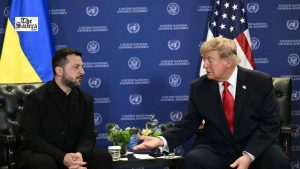
Donald Trump has urged Volodymyr Zelensky to pursue a peace deal with Russia, warning that Ukraine could face...
Pakistan, battling insurgencies at home and tensions along multiple borders, is too overstretched to offer meaningful military support...
Aries: The day will be auspicious...