Last Updated: October 21, 2026
Last Updated: October 21, 2026





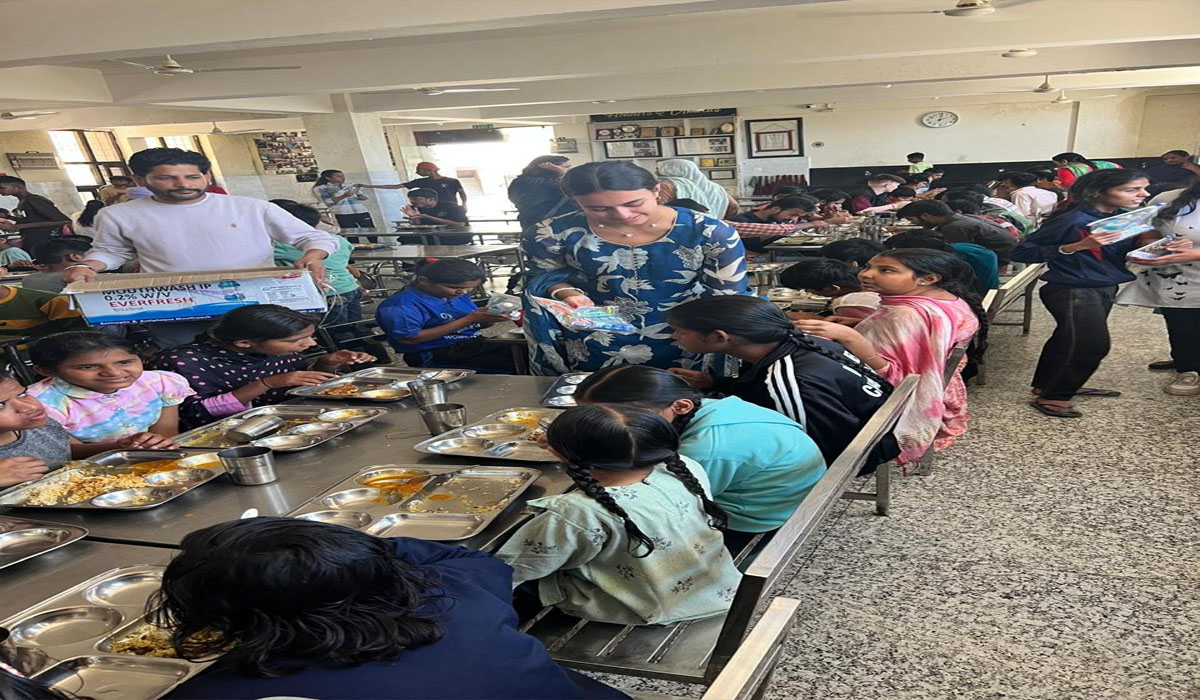
In a world that’s always rushing forward—chasing the next success, ticking off checklists, and moving goalposts—there’s rarely a pause to look sideways. Everyone seems caught in a cycle of movement, often mistaking motion for progress. But far from the glare of spotlights and schedules, there are children left on the sidelines—not by choice, but by circumstance.
Born with neurological, visual, auditory, or developmental challenges, these children aren’t part of the “main race.” Not because they don’t want to be, but because society often forgets to build a path for them to join. Yet, given love, attention, and the right environment, these very children teach us lessons we forget in our constant rush: patience, perseverance, empathy, and the power of simple joy.
In Patiala, India, one school has stood as a sanctuary for such children since April 16, 1967. Founded by Late S. Amar Singh Kamboj and lovingly carried forward by Col. Karminder Singh Kamboj, the institution serves children with hearing and visual impairments, deaf-blindness, and multiple disabilities. Over decades, it has never turned away a child in need and has become a symbol of unconditional inclusion.
Recently, a high school student from the United States Amaniya Singh Sandhu, researching global support systems for children with neurological challenges, stumbled upon this school’s website. Her search was deeply personal—her younger brother is on the autism spectrum, and Amaniya wanted to understand how children like him were supported in different parts of the world. What started as a curious internet search became the beginning of a life-altering journey.
When her family visited Patiala, she requested a stop at the school. Amaniya admitted feeling anxious, unsure of what to expect. But the moment she stepped through the school gates, all hesitation melted away. What greeted her wasn’t silence or awkwardness—it was warmth, energy, and open arms. Children smiled and waved, curious and kind. Amaniya was deeply moved by their eagerness to connect, their creativity, and their determination to learn despite the odds.
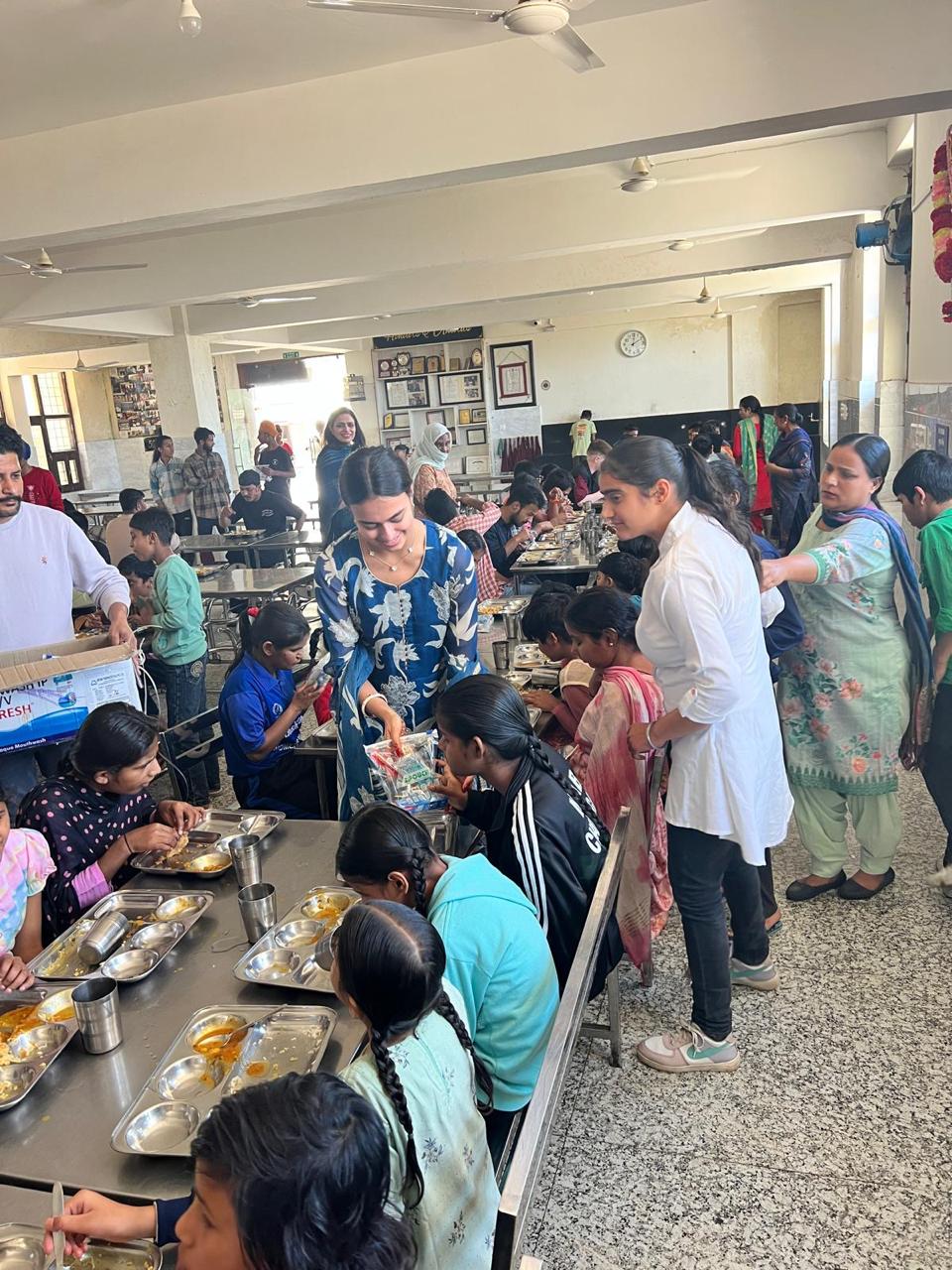
She spent hours interacting with the children—gesturing, laughing, playing, even learning a few signs. In each student, she saw not a limitation but a unique light. Amaniya realized that these children didn’t need pity—they needed partnership. What they lacked in traditional expression, they made up for with heightened emotional intelligence, deep focus, and immense resilience.
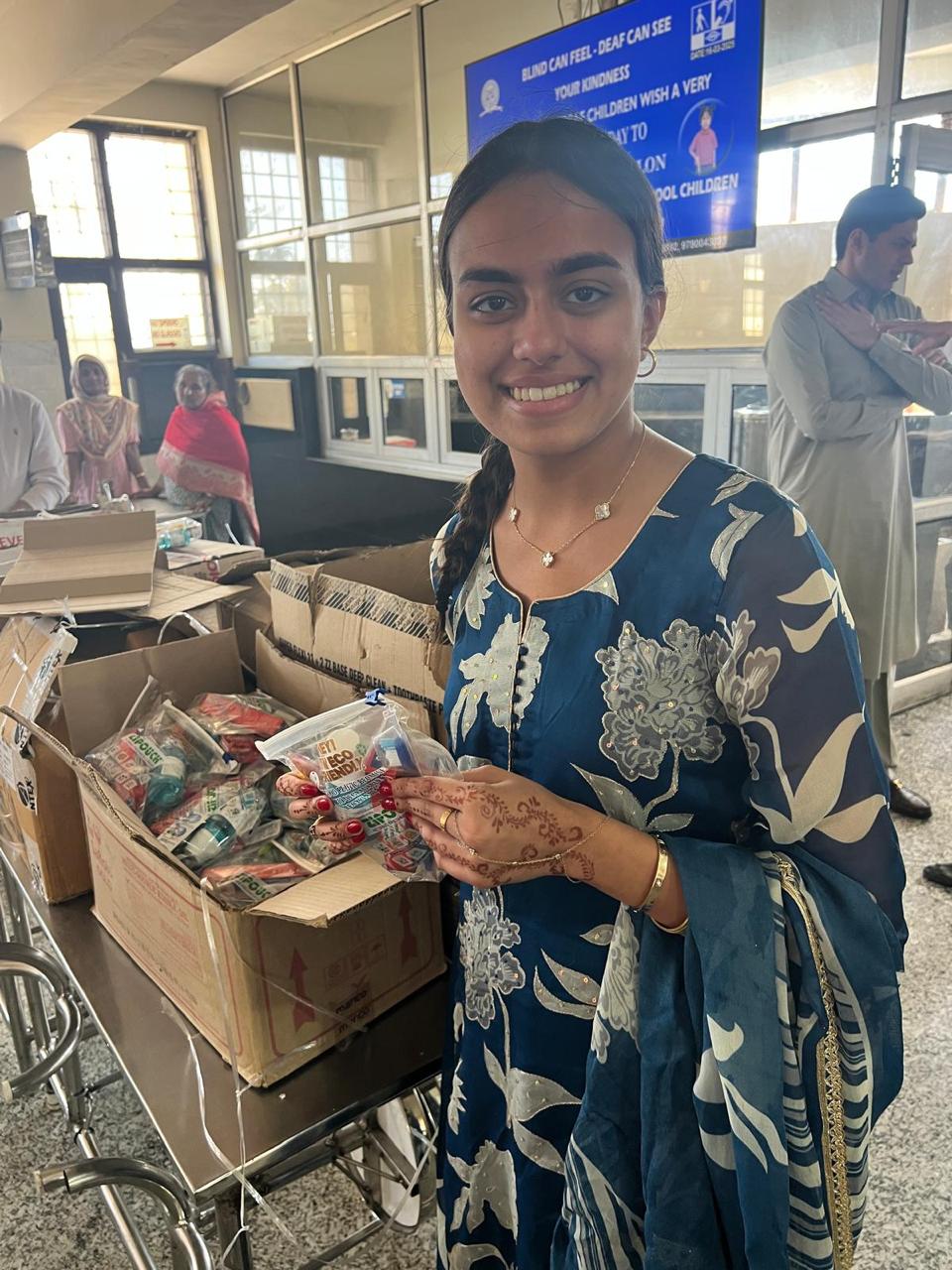
That evening, with her heart full, Amaniya asked the school if there was any small way she could contribute. Given her interest in medicine and health, she arranged for dental kits—toothbrushes, paste, floss—for every child at the school. She personally handed them out over the weekend, so as not to disrupt class schedules. Amaniya also donated a portion of her personal savings, money she had been gifted over the years and saved for something “special.” This, she decided, was that moment.
But Amaniya’s story doesn’t end there. Since returning to the U.S., she’s begun laying the foundation to start her own nonprofit organization, with the mission of advocating for children with disabilities and raising funds for schools like the one she visited. She wants to bridge the gap between resources and those who need them most—using her experience, education, and voice to speak on behalf of those who are too often unheard.
This young girl’s journey reminds us of a fundamental truth: kindness, love, and empathy are the greatest currencies we have. In a world focused on doing more, she chose to feel more—and that made all the difference.
We may all be on our own paths, but we’re spinning together on a small blue rock, hurtling through space. And in that vast, shared existence, our humanity is our greatest common ground. As the saying goes: A rising tide lifts all ships.
Let’s be the tide.
Two people were killed and ten injured after a passenger bus met with an accident at Gala Pachound...
Start your day with The Savera Morning Brief, bringing you the latest news from India and around the...

The Delhi Police Crime Branch will investigate a second case against Cockroach Janta Party leaders Saurav Das and...
The Food Safety and Standards Authority of India (FSSAI) has issued notices to four companies, including the fast-track...

CJP leaders Saurav Das and Ashutosh Ranka are due to appear before a Special Executive Magistrate at 2...

Stay updated with The Savera Morning Brief, bringing you the top headlines from India and around the world,...
Aries: The day will be auspicious...