Last Updated: October 15, 2026
Last Updated: October 15, 2026





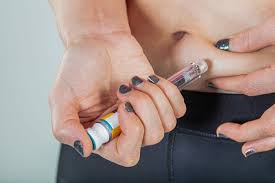
The World Health Organization has released its first guideline on the use of Glucagon-Like Peptide-1 therapies for treating obesity, marking a major step in recognising obesity as a chronic and relapsing disease. Issued on December 1, 2025, the guideline provides conditional recommendations on medicines such as liraglutide, semaglutide and tirzepatide, which have become the first effective treatment options for adults living with obesity. WHO had added these drugs to its Essential Medicines List for type 2 diabetes in September 2025.
The organisation stressed that medication alone cannot address the scale of the global obesity crisis. It called for a comprehensive approach built on three pillars: creating healthier environments through population-level policies, identifying and supporting high-risk individuals through structured early interventions, and ensuring access to lifelong, person-centred care. The guideline forms part of WHO’s acceleration plan to stop obesity and will be updated as new evidence emerges.
The recommendations support long-term use of GLP-1 therapies for adults, except pregnant women, but WHO noted that the guidance remains conditional because long-term data are still limited. The medicines are intended to complement healthy diets, physical activity and ongoing support from health professionals.
More than one billion people worldwide currently live with obesity, a condition linked to 3.7 million deaths in 2024. WHO underlined that obesity is not merely the result of lifestyle choices but a complex condition shaped by genetics, biology, environment and social factors. It drives heart disease, type 2 diabetes and some cancers, and makes infectious diseases more dangerous. Without stronger action, global cases could double by 2030, leading to economic losses estimated at three trillion dollars annually.
The guideline also highlights the need for equitable access to GLP-1 therapies. WHO warned that without policies focused on affordability, manufacturing and system readiness, these medicines could deepen health inequalities rather than reduce them.
Supreme Court: Person Converting from Hinduism to Islam Cannot Claim Backward-Class Muslim Status

Higher reaches of Jammu and Kashmir received the season’s first snowfall, covering Doda, Gurez Valley and Pir Ki...

Mumbai Police has issued a 'Leave India' notice to Bollywood superstar Aamir Khan's nephew and actor Imran Khan....

Ram Kumar Singh, a 71-year-old retired Customs officer, was shot dead outside his home in Ara’s Kanakpuri locality....

Punjab AGTF and Haryana STF arrested Gurlal Singh in connection with Ajmeet Singh’s September 11 murder in Naushera...

Uttar Pradesh Police arrested a 28-year-old alleged criminal after an encounter in Noida’s Sector 63. Police said around...

Aries: The day will be auspicious...