Last Updated: October 18, 2026
Last Updated: October 18, 2026





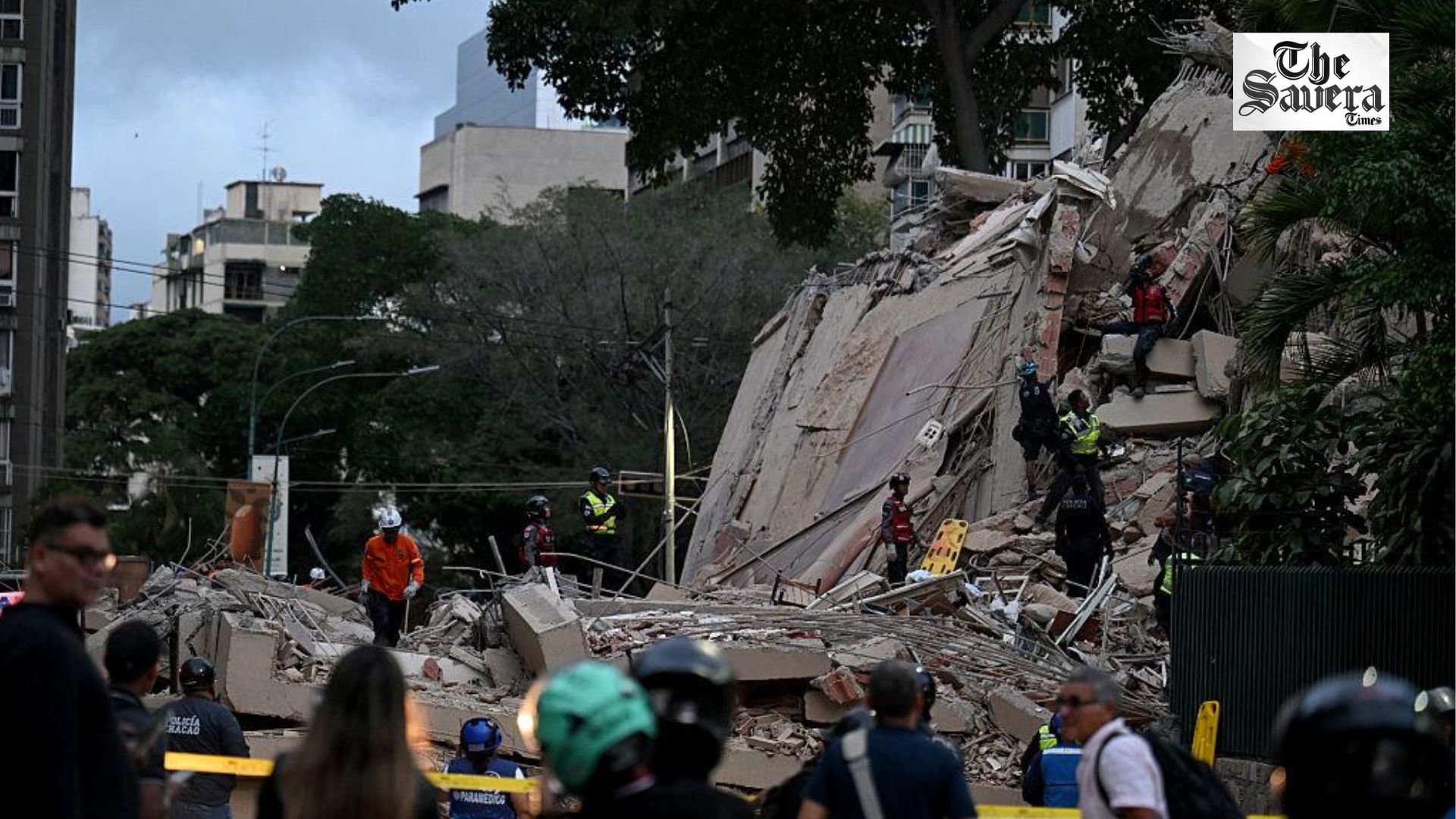
Caracas: The death toll from the two powerful earthquakes that struck Venezuela last week has risen to 1,450, according to Venezuelan National Assembly President Jorge Rodriguez. Rescue teams continue to search for survivors as hundreds of aftershocks have further complicated relief efforts.
Providing the latest update on the national emergency, Rodriguez said the country has experienced 430 light to moderate aftershocks since the twin earthquakes of magnitude 7.2 and 7.5 struck on Wednesday. The continuing seismic activity has hampered rescue operations and heightened fears among residents in affected regions.
Thousands Injured, Families Displaced
Earlier, government officials had reported that 3,238 people were injured, while 3,142 families have been affected by the disaster.
Expressing condolences on behalf of the Venezuelan government, Rodriguez said authorities stand with the families who lost loved ones and assured that emergency teams remain fully engaged in rescue and relief operations.
“Tens of thousands of personnel are working around the clock to locate survivors, clear debris and deliver humanitarian assistance to affected communities,” he said.
Fresh Tremor Adds to Public Fear
Meanwhile, the Venezuelan Foundation for Seismological Research (Funvisis) reported that a magnitude 4.1 earthquake struck the country’s central region on Saturday.
According to the agency, the epicentre was located about 35 kilometres west of La Guaira, a major port city that suffered extensive damage during Wednesday’s devastating earthquakes and has since been declared a disaster zone.
The latest tremor occurred at a shallow depth of 5 kilometres, a depth that generally produces stronger ground shaking and increases the likelihood of structural damage.
Residents in Caracas and nearby areas reported feeling the tremor, prompting many to rush outdoors fearing additional building collapses.
Rescue Operations Continue
The twin earthquakes triggered widespread destruction across Venezuela, causing the collapse of residential and commercial buildings, landslides, damaged roads and disruption of essential services.
Emergency responders continue to work in severely affected coastal and mountainous regions where access remains difficult due to damaged infrastructure.
Authorities are coordinating relief efforts by providing temporary shelters, medical assistance and food supplies to thousands of displaced families, while engineers assess the safety of damaged buildings.
Officials have warned that aftershocks are likely to continue in the coming days and urged residents to remain vigilant and follow emergency safety guidelines as rescue and recovery operations proceed.
Nepal is seeking substantial financial assistance from India ahead of Prime Minister Balendra Shah’s proposed visit to New...

An encounter broke out in Jumgund in Jammu and Kashmir's Kupwara district after troops detected suspicious movement near...

The race to succeed Antonio Guterres remains uncertain after three leading candidates faced opposition from two permanent members...

Democratic lawmakers have criticised Donald Trump for waiving key sanctions and tariff provisions under the Graham Act, citing...

Start your day with The Savera Morning Brief, featuring top headlines from India and around the world, along...

Ladakh has officially created Sankoo as its eighth district, separating four tehsils from Kargil and notifying a separate...
Aries: The day will be auspicious...