Last Updated: October 21, 2026
Last Updated: October 21, 2026





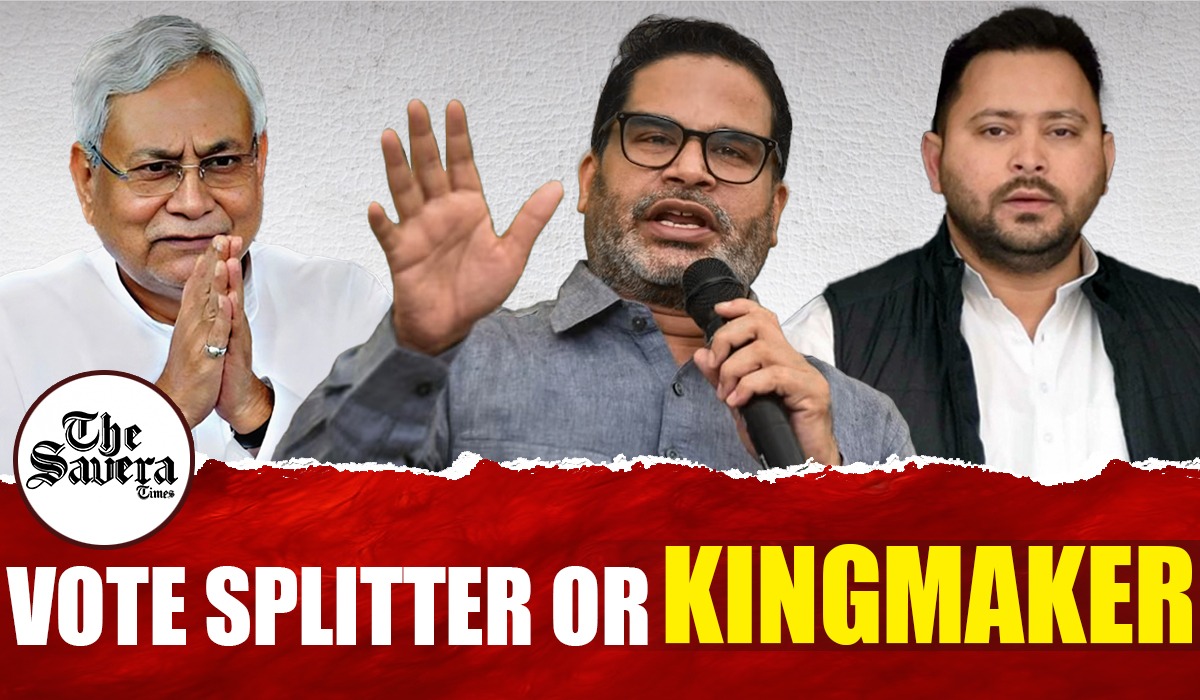
The second and final phase of the Bihar Legislative Assembly elections 2025 is set for tomorrow, November 11, 2025. In the second phase, the remaining 122 constituencies out of the total 243 seats will undergo polling. This phase will conclude the voting process, with results for all seats scheduled to be announced on November 14, 2025.
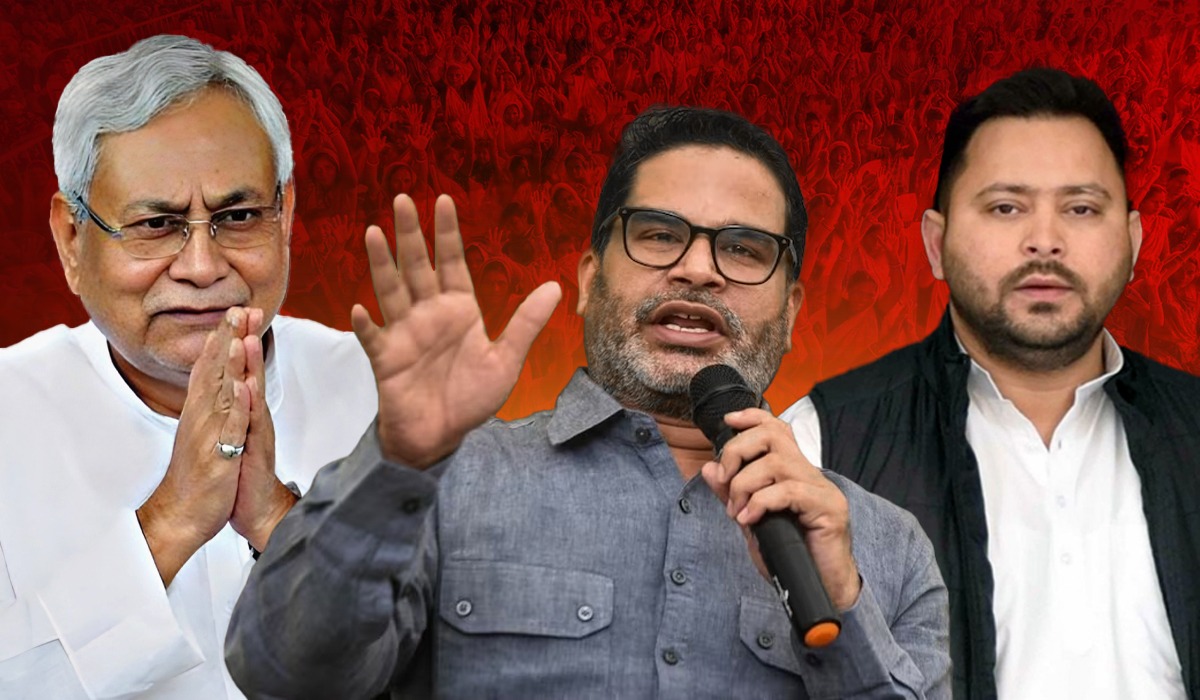
High-powered rallies concluded on November 9, with NDA leaders (Modi, Shah, Nitish) emphasizing development and anti-corruption, while the Mahagathbandhan (Tejashwi Yadav, Rahul Gandhi) focused on jobs, migration, and “guarantees” such as free electricity and a caste census. Prashant Kishor predicted Nitish Kumar’s exit and positioned Jan Suraaj as a disruptor.
Before the polling takes place across 20 districts, let’s understand whether the former poll strategist and now turned politician can transform his Jan Suraaj party into a major force or if it will merely act as a “vote-cutter” in a polarized race.
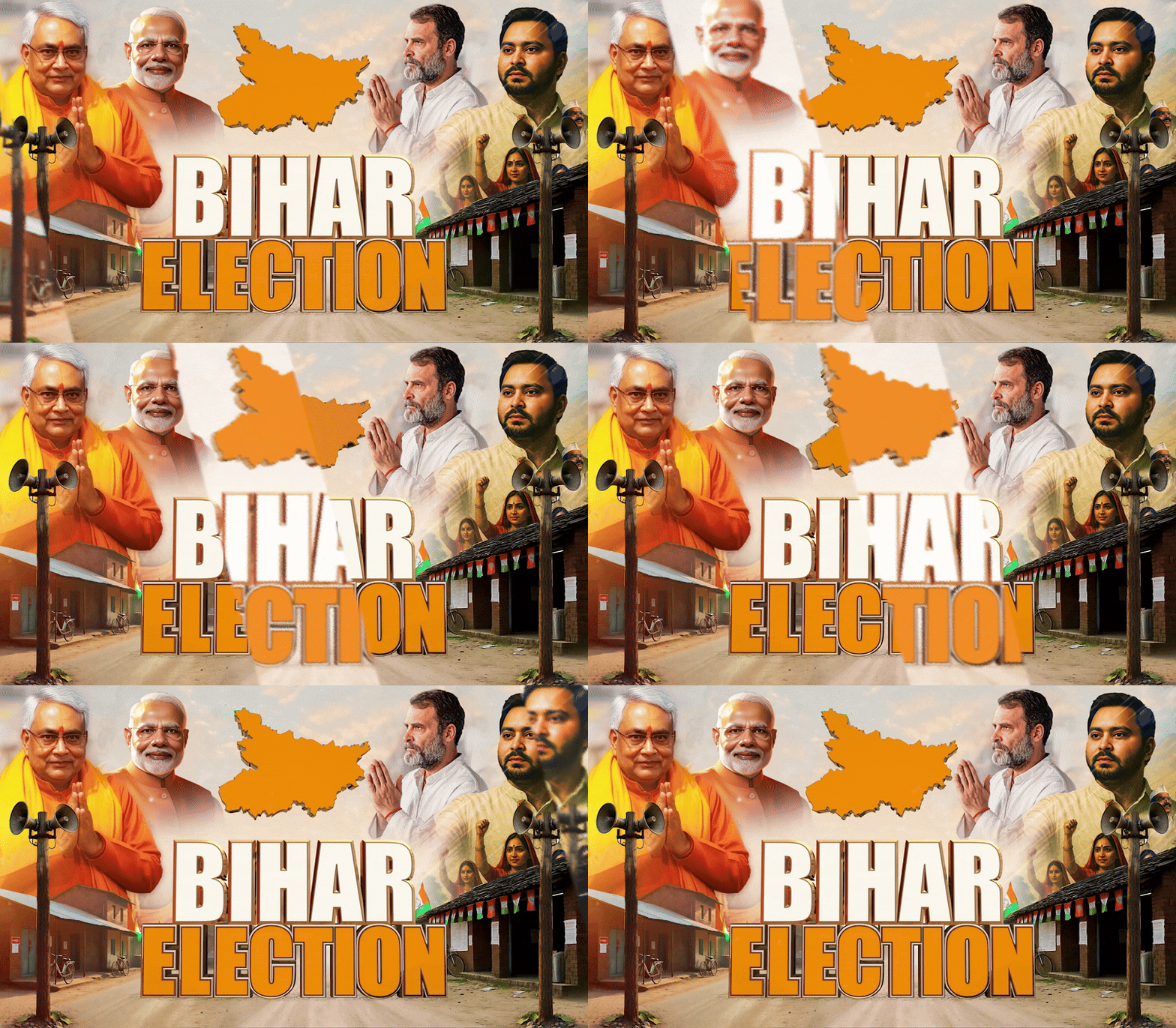
What’s Vote Splitting
Vote splitting occurs when two or more candidates with similar ideologies contest, causing their shared voter base to divide its support. This can lead to a situation where a third, less popular candidate, often ideologically different, wins as the vote divides.
By this, we can conclude that a vote splitter in elections can be either a candidate or a party that divides support among similar options, potentially changing the outcome.
Spoils outcome
The vote splitter (often a third-party or minor candidate), in most cases, doesn’t win but spoils the chances of a major candidate with similar views. The votes that could have gone in favor of one get divided and change the outcome.
What Vote Splitting Leads to
The winner may not reflect the majority’s preference. It also discourages minor parties, as fear of splitting votes can deter new or alternative candidates.
Vote splitting can also lead to fractured verdicts, coalition instability, or unexpected wins.
Vote Splitting in Bihar
In the context of the Bihar polls, a vote splitter refers to a party or candidate that draws votes away from major alliances. NDA and the INDIA bloc are the big fish of these elections. In the polls, Prashant Kishore’s Jan Suraj has the potential to alter the outcomes in closely contested constituencies.
The 2025 Bihar elections saw a record turnout of over 65%, with significant participation from women and youth during the first phase of polling. The same is expected during the second and final phase which is scheduled for tomorrow, i.e., 11th November. This surge of voter turnout may benefit newer or smaller parties, increasing the likelihood of vote splitting.
Prashant Kishor’s Jan Suraj as a Vote Splitter
Former Poll strategist Prashant Kishor became full-time politician during the Bihar elections 2025. PK’s Jan Suraj is contesting on all 243 seats. It is also considered a bold move by the party as they have lost all four bypolls earlier this year.
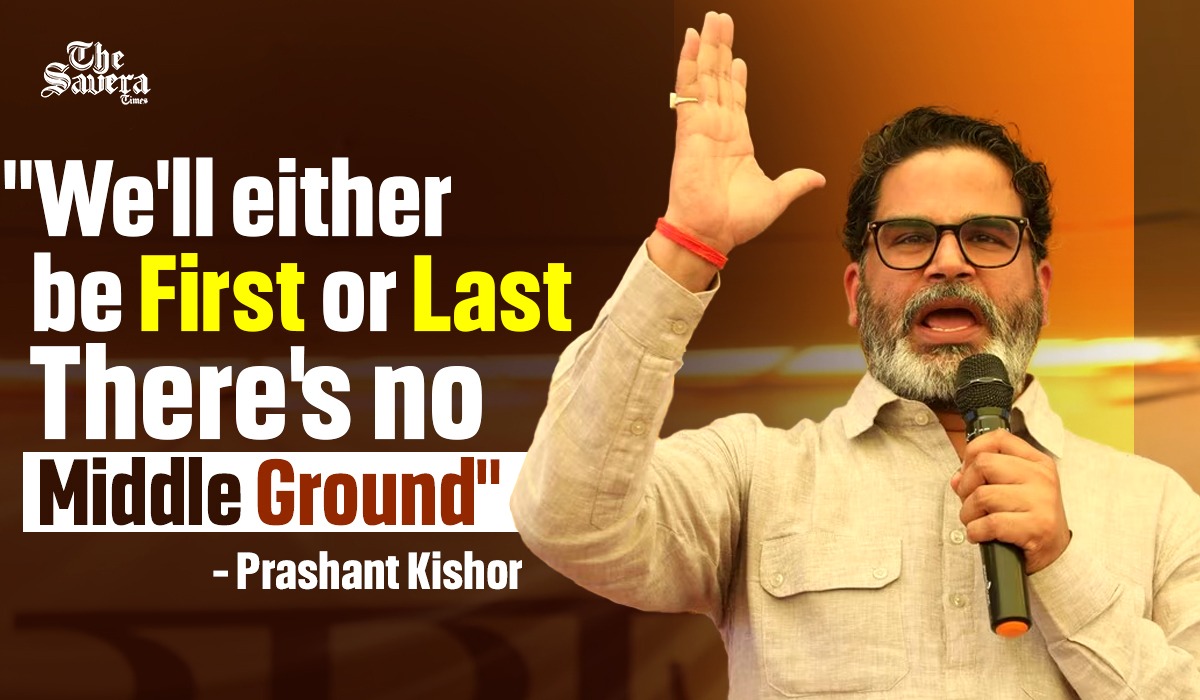
PK has dramatically claimed, “We’ll either be first or last. There’s no middle ground,” and pledged to quit politics if JDU wins over 25 seats—even if his party performs well.
Political Analysts believe that though JSP may not win many seats, its presence could disrupt traditional vote banks of both the NDA and the Mahagathbandhan (INDIA bloc). Recent pre-poll surveys paint a mixed picture. Jan Suraaj isn’t poised for a sweep but could influence outcomes in a fragmented poll.
Kishor has been targeting both major alliances and openly stated that his party aims to cut into the vote shares of both major coalitions, especially in constituencies with narrow margins. Jan Suraaj is pitched as a fresh, credible alternative, focusing on anti-incumbency and issues of Youth.
PK’s Padayatra in Bihar
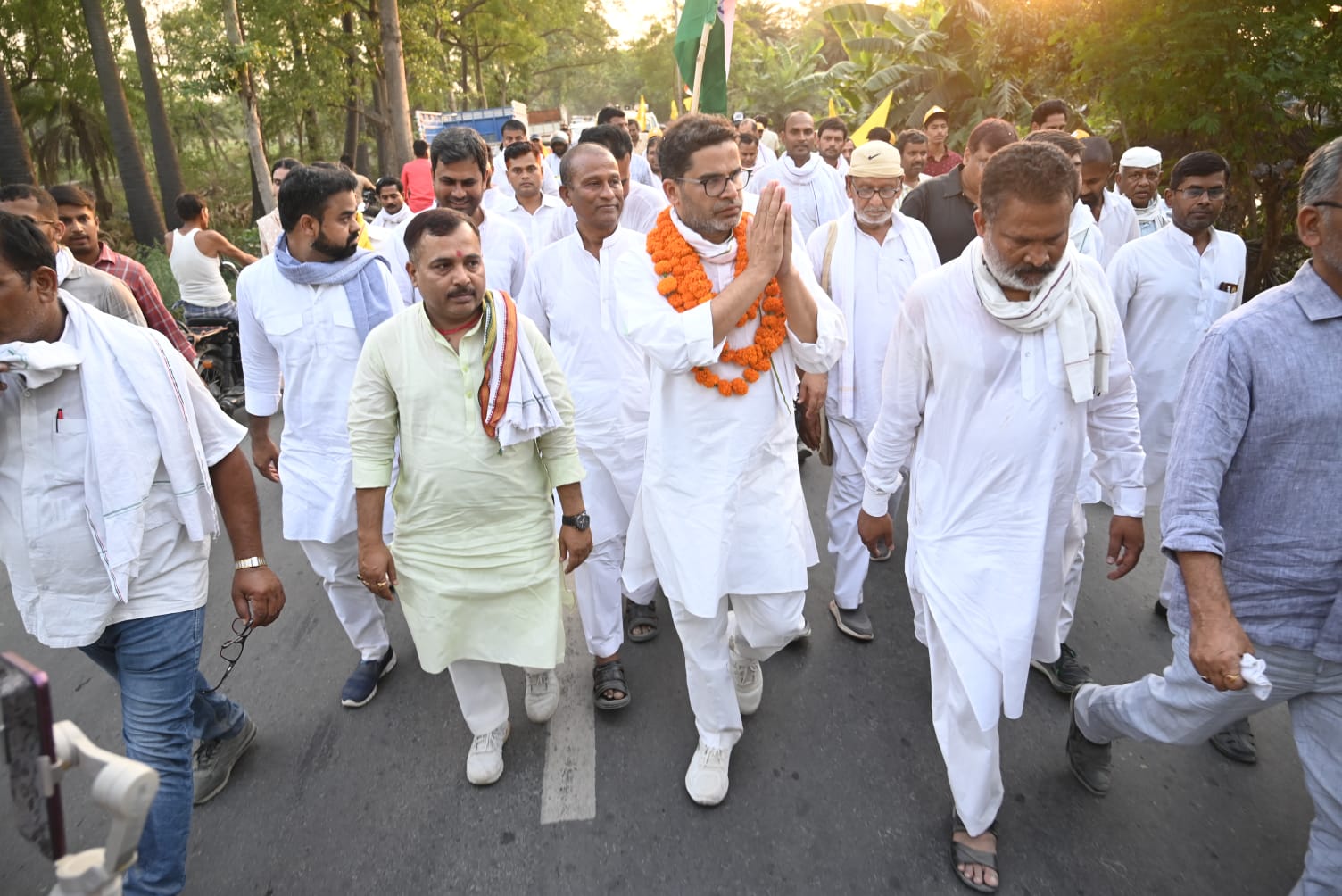
PK’s 665-day padayatra (foot march) has covered 2,697 villages, 1,319 panchayats, and 235 blocks, boosting the visibility of his party among voters. The party’s yellow scarves and flags have become iconic, especially among youth, upper castes, the middle class, and educated voters. The aim has been to establish JSP as an alternative to traditional choices.
Game Changer or Vote Changer
CM from Jan Suraj
As per a recent survey, when asked about the Chief Minister’s preference, PK’s JSP was placed in second place with at 23.1% votes. He trails behind Tejashwi Yadav, who was preferred by 35.5% people, but edges out Nitish Kumar, who got 23% votes. It should be noted that PK’s rating has climbed steadily as it was 15% in February, 18% June, and 23% September.
Perception in people’s minds
As per the survey, 56% see PK’s JSP as a “vote-cutter” while the rest view him as CM.
Like Chirag Paswan’s LJP in 2020, Jan Suraaj could draw off votes from RJD (especially youth and educated bases) and JDU in constituencies witnessing close contests.
PK’s Comparison with RJD and JDU
PK challenged RJD’s dominance among young, urban voters but lagged in overall CM appeal. Jan Suraaj could erode RJD’s share in opposition strongholds, making it a direct rival.
PK, in comparison with JDU’s Nitish Kumar, places himself as the anti-incumbency wave against Nitish’s long tenure, appealing to those frustrated with JDU’s alliances. Also, the NDA appears particularly vulnerable to JSP’s entry in the election as Kishor, a Brahmin, is aiming to cut into traditional upper-caste and non-Yadav OBC votes that the NDA generally depends on.
Challenges for JSP
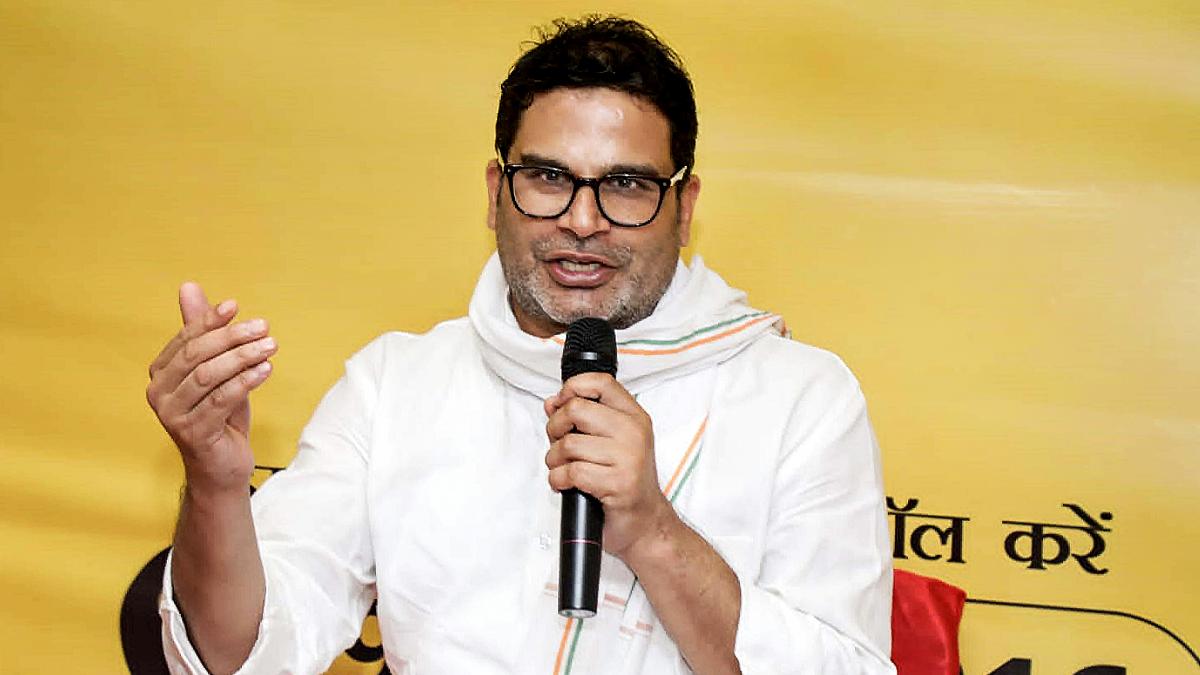
JSP has a weak organisational base compared to the major alliances; converting vote-share into seats may be difficult for the party contesting first assembly election.
The exact outcome depends heavily on where JSP draws its votes from. Whether the party cuts more vote from the NDA or from the Mahagathbandhan.
Final Take
In constituencies where the margin of victory from the previous election was small, the JSP’s entry could tilt the balance even if it doesn’t win.
The NDA may lose seats not necessarily by the opponent winning them directly, but by the anti-incumbent or protest votes drifting to JSP instead of staying with MGB or NDA.
The mahagathbandhan may also lose some votes to JSP.
The dynamics of caste and younger have become more important. Parties will need to think beyond traditional alliances and vote blocs.
Before the final and second phase voting takes place, it can be concluded that the election in Bihar could become less of a straight two-way contest between NDA and Mahagathbandhan, and more of a three-way race, where the third contender is very likely to become a vote spoiler or a kingmaker.
We are very proud that at present India is the number one country in the world by surpassing...
Every investor wants the wealth-creating power of equity and the reassuring stability of debt. Balanced Advantage Funds attempt...

Tourism is a major source of government revenue in our country. There are different types of tourism. Scenic...
Good Evening Viewers! Catch up on the day's biggest stories with The Savera Times Evening Bulletin. Get the...

Congress leaders continued their protest outside the Jaipur Police Commissionerate on Tuesday, demanding the registration of a zero...
On the auspicious occasion of Vijayadashami, Prime Minister Narendra Modi on Tuesday called on the countrymen to unite...
Aries: The day will be auspicious...