Last Updated: October 13, 2026
Last Updated: October 13, 2026





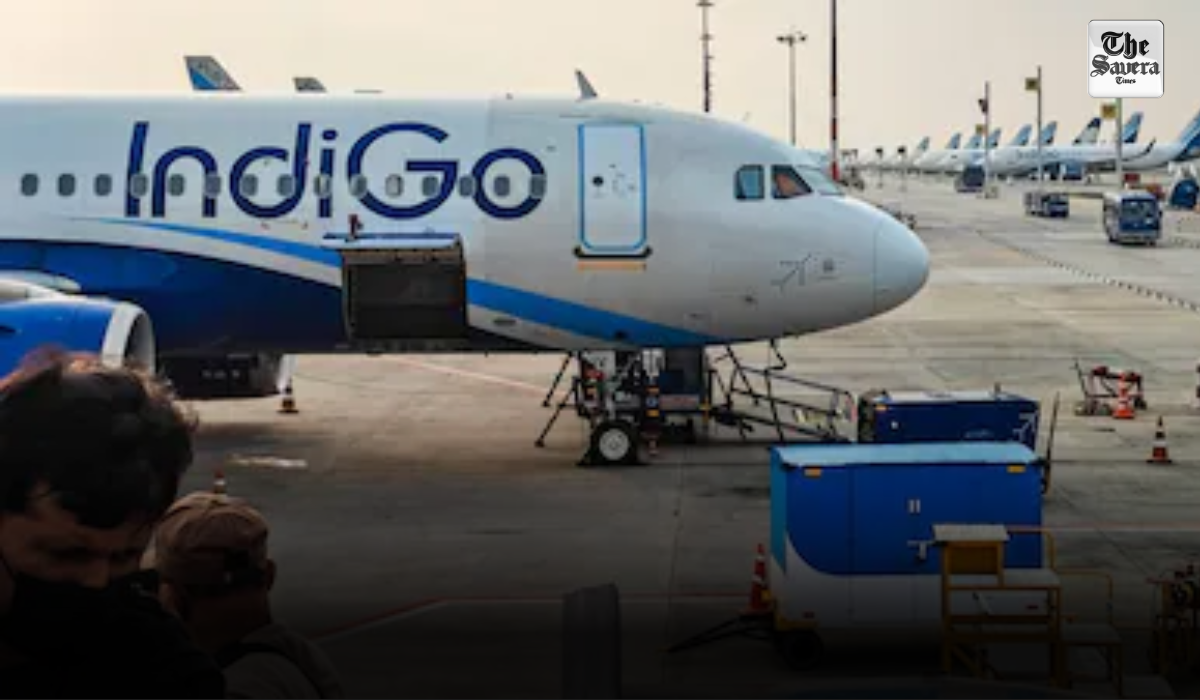
Written by Abhishek Vij: The inconvenience faced by air passengers last week, particularly between December 3 and 5, was severe. Many travellers with urgent commitments were forced to cancel their journeys, while others faced difficulties retrieving their luggage.
Hundreds of flights were cancelled daily across airports, severely disrupting travel plans. Following the Delhi High Court’s intervention and strong reprimand of the administrative machinery, authorities directed airlines to normalise operations.
Subsequently, IndiGo also appeared to acknowledge its responsibility. According to reports on Friday, all 12 IndiGo flights departed from Amritsar after delays stretching up to eight days. Although the airport normally handles 26 flights daily, the situation is gradually returning to normal.
IndiGo stated that passengers’ luggage has been returned. The airline’s CEO was repeatedly summoned by aviation authorities, and four flight controllers were suspended. These controllers were contract employees, not permanent staff. On Thursday, IndiGo announced compensation in the form of Rs10,000 vouchers for passengers whose journeys were affected between December 3 and 5.
The vouchers will be issued in addition to ticket refunds.Objectively, the disruption stemmed from new regulations requiring pilots to take additional rest before flights. However, IndiGo failed to recruit sufficient pilots in advance, leading to widespread schedule disruptions.
While meetings between the Directorate General of Civil Aviation (DGCA) and airline officials resulted in reprimands, the inconvenience to passengers had already occurred.IndiGo has since been instructed to reduce its flight operations by ten percent.
By Thursday, more than 80 flights were still being cancelled, including 60 from Bengaluru airport alone. Although refunds have been processed for most passengers, full normalisation of services may take time.
The crisis also raises broader questions about over-reliance on the private sector for essential services. IndiGo’s nearmonopoly in domestic aviation meant that when its operations faltered, passengers had limited alternatives.
This incident underscores the need for a balanced approach where public and private sectors coexist to ensure resilience and protect public interest.
Good Evening Viewers! Stay updated with The Savera Times Evening Bulletin for the latest news from Punjab, India...

eader of the Opposition in the Lok Sabha, Rahul Gandhi and 10 other INDIA bloc leaders have moved...

Amidst protests in central Delhi, the Delhi Metro Rail Corporation (DMRC) announced the reopening of entry and exit...
The Delhi Police has registered an FIR regarding the alleged disturbance at the Bangla Sahib Gurdwara in...
The Delhi Police on Monday removed Jantar Mantar from the list of officially designated protest sites. The police...
The Supreme Court on Monday clarified that it has not passed any judgment on the Election Commission's (ECI)...
Aries: The day will be auspicious...