Last Updated: October 8, 2026
Last Updated: October 8, 2026





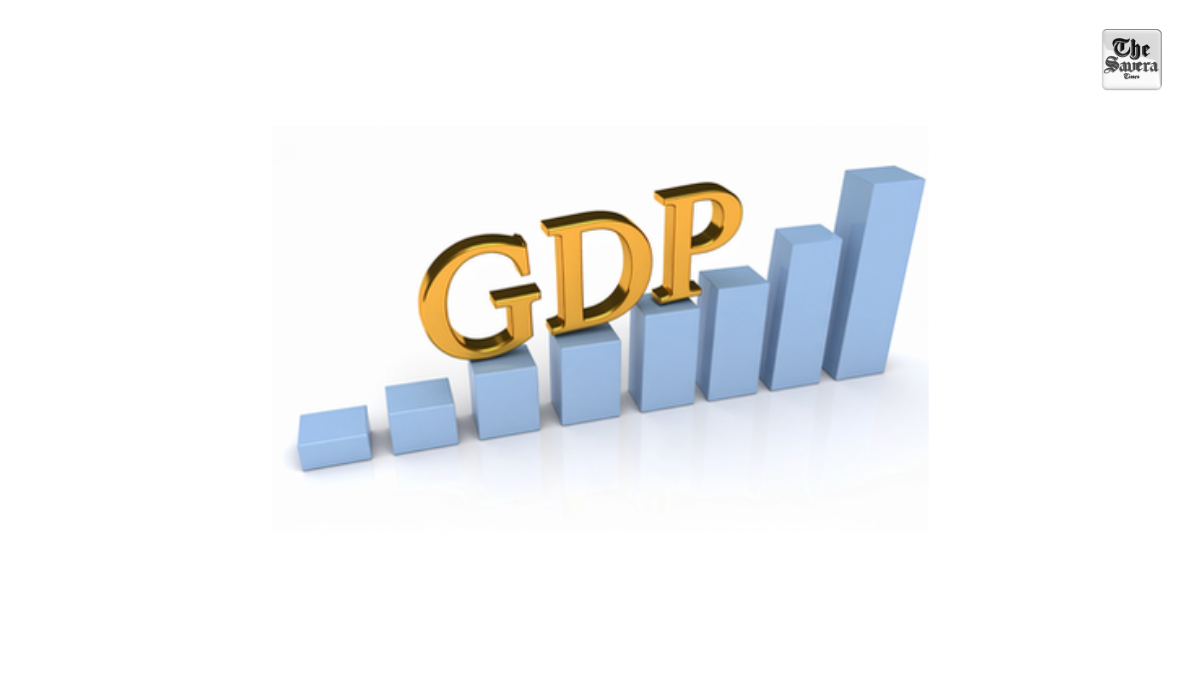
India’s GDP growth is expected to moderate in FY 2027 at 6.6 per cent after a stronger than expected 7.7 per cent expansion in fiscal 2026. The report from Crisil Ratings said that a sharp rise in crude prices, a below normal monsoon and higher inflation will weigh on consumption and growth. Growth outperformed expectations in fiscal 2026 due to fiscal support to private consumption, rate cuts by the Reserve Bank of India, healthy global growth, low inflation, favourable monsoon and low crude oil prices. In FY27, many of these factors are expected to turn adverse and weigh on growth. Crude oil prices have surged to decadal highs after the onset of the West Asia crisis and are expected to remain high this fiscal, averaging $90-95 per barrel. The India Meteorological Department (IMD) has expected rainfall at 90 per cent of the longperiod average in the 2026 southwest monsoon season, indicating below-normal rains. The likelihood of El Niño conditions will add to the pressure on agricultural production. Inflation to rise sharply to 5.1% in fiscal 2027 from 2.1% in fiscal 2026, putting pressure on private consumption. Producers are expected to pass on the sharp rise in the cost of energy and other inputs, as well as trade and transportation, to consumers, which will likely raise core inflation. Global demand is expected to be weaker this year due to the West Asia conflict and this will likely impact India’s exports. Notably, the growth momentum in India sustained despite headwinds from the West Asia conflict that began towards the end of February and intensified in March. Private final consumption expenditure (PFCE) growth remained healthy at 7.1 per cent vs 8.2 per cent in the previous quarter. It was far higher than the 10-quarter average of 6.4 per cent.India, this time, is expected to surpass China in terms of its share of global GDP measured in purchasing power parity (PPP) by 2060. China’s contribution to global GDP is likely to decline in the second half of the 21st century. China’s share in world GDP currently around 20 per cent in PPP terms will remain large through the 2030s, but its rapidly falling population will weigh on its long run performance. China’s population share is falling very fast, from 23 per cent of the world population in 1945 to about 17 per cent in 2025 and less than 8 per cent in 2100. Consequently, China’s share in world GDP is projected to decline in the second half of the 21st century be overtaken by India around 2060. Purchasing power parities (PPPs) measure the total amount of goods and services that a single unit of a country’s currency can buy in another country. The world is likely to be multipolar in the 21st century, and China most probably will not reach the hegemonic position enjoyed by US around 1950 with as much as 35-40 per cent of the world’s GDP.
New Delhi: Prime Minister Narendra Modi welcomed policymakers, maritime leaders, and experts from around the world to the...

New Delhi: The outlook for onion availability has strengthened considerably with robust market arrivals and the commencement of...
New Delhi: The Delhi High Court on Wednesday permitted a senior director of Vivo Mobile India to travel...

New Delhi: INDIA bloc leaders, including Leader of Opposition in the Lok Sabha Rahul Gandhi and Congress MP...

Varanasi: Uttar Pradesh Chief Minister Yogi Adityanath on Wednesday said that the state has undergone a major transformation...

Chandigarh: The Punjab Vigilance Bureau (VB) during its ongoing drive against corruption in the state, the Punjab Vigilance...

Aries: The day will be auspicious...