Last Updated: November 23, 2026
Last Updated: November 23, 2026




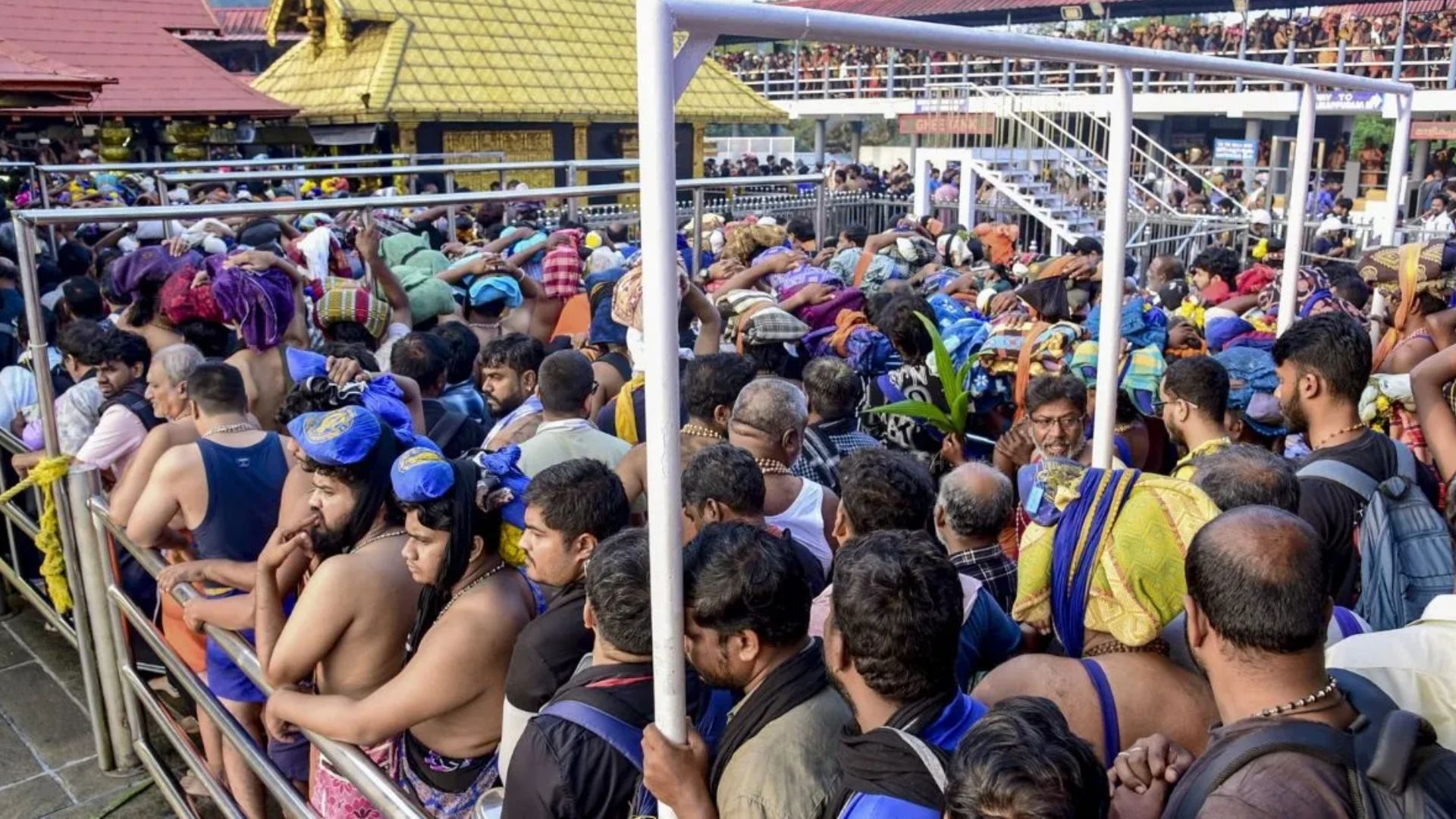
Sabarimala: Devotees visiting Kerala’s famous Sabarimala Lord Ayyappa temple may now find it costly to throw clothes in the Pamba River. The district administration has taken strict measures to curb the increasing pollution in the river. According to the new order, those found throwing clothes or other garbage in the Pamba River and polluting it can be fined up to ₹5,000.
The administration has appealed to devotees to maintain the cleanliness and sanctity of the holy river. Kerala Chief Minister V.D. Satheesan also posted on the social media platform X, urging devotees to keep Sabarimala and the Pamba River clean. He urged them not to throw clothes, plastic, or any other kind of garbage into the sacred river, so that its sanctity and cleanliness can be maintained for generations to come.
🙏 Keep Sabarimala Sacred. Keep Pamba Clean.
Sabarimala is sacred to millions of devotees, and the holy River Pamba is an integral part of this pilgrimage. I earnestly appeal to every pilgrim to keep Sabarimala and Pamba clean. Please do not throw clothes, plastic or any other waste into the holy river. Let us protect its sanctity and preserve its purity for generations to come.
ശബരിമലയുടെയും പുണ്യനദിയായ പമ്പയുടെയും പരിശുദ്ധി കാത്തുസൂക്ഷിക്കേണ്ടത് നമ്മുടെ ഓരോരുത്തരുടെയും ഉത്തരവാദിത്തമാണ്. തീർത്ഥാടകർ വസ്ത്രങ്ങളോ പ്ലാസ്റ്റിക്കോ മറ്റ് മാലിന്യങ്ങളോ പമ്പാനദിയിൽ വലിച്ചെറിയരുതെന്ന് അഭ്യർത്ഥിക്കുന്നു. ശബരിമലയും പമ്പയും വൃത്തിയായി സൂക്ഷിക്കാൻ എല്ലാവരും സഹകരിക്കണം.
सबरीमला और पवित्र पंबा नदी की स्वच्छता बनाए रखना हम सभी की जिम्मेदारी है। सभी श्रद्धालुओं से मेरा विनम्र अनुरोध है कि पवित्र पंबा नदी में कपड़े, प्लास्टिक या अन्य कचरा न फेंकें। आइए, सबरीमला की पवित्रता और पंबा नदी की स्वच्छता बनाए रखें।
శబరిమల పవిత్రతను, పవిత్ర పంబా నది పరిశుభ్రతను కాపాడటం మనందరి బాధ్యత. భక్తులందరికీ నా వినమ్ర విజ్ఞప్తి — దయచేసి పంబా నదిలో బట్టలు, ప్లాస్టిక్ లేదా ఇతర వ్యర్థాలను వేయవద్దు. శబరిమల, పంబా పరిసరాలను పరిశుభ్రంగా ఉంచేందుకు అందరూ సహకరించండి.
ಶಬರಿಮಲೆಯ ಪಾವಿತ್ರ್ಯವನ್ನು ಹಾಗೂ ಪವಿತ್ರ ಪಂಬಾ ನದಿಯ ಸ್ವಚ್ಛತೆಯನ್ನು ಕಾಪಾಡುವುದು ನಮ್ಮೆಲ್ಲರ ಜವಾಬ್ದಾರಿ. ಎಲ್ಲಾ ಭಕ್ತರಲ್ಲಿ ನನ್ನ ವಿನಮ್ರ ಮನವಿ — ದಯವಿಟ್ಟು ಪಂಬಾ ನದಿಗೆ ಬಟ್ಟೆ, ಪ್ಲಾಸ್ಟಿಕ್ ಅಥವಾ ಇತರ ತ್ಯಾಜ್ಯಗಳನ್ನು ಎಸೆಯಬೇಡಿ. ಶಬರಿಮಲೆ ಮತ್ತು ಪಂಬಾ ಪರಿಸರವನ್ನು ಸ್ವಚ್ಛವಾಗಿಡಲು ಎಲ್ಲರೂ ಸಹಕರಿಸಿ.
சபரிமலையின் புனிதத்தையும், புனித பம்பை நதியின் தூய்மையையும் பாதுகாப்பது நம் அனைவரின் பொறுப்பாகும்.
பக்தர்கள் அனைவருக்கும் எனது அன்பான வேண்டுகோள் தயவுசெய்து பம்பை நதியில் துணிகள், பிளாஸ்டிக் பொருட்கள் அல்லது பிற கழிவுகளை வீச வேண்டாம்.
சபரிமலையையும் பம்பை நதியையும் தூய்மையாக வைத்திருக்க அனைவரும் ஒத்துழைப்போம்.Swamiye Saranam Ayyappa! 🙏
#Sabarimala #CleanPamba #SwamiyeSaranamAyyappa
— Chief Minister, Keralam (@CMOkeralam) November 21, 2026
Warning for devotees visiting Sabarimala: Throwing clothes in the Pamba River will result in a fine of up to ₹5,000
Sabarimala: Devotees visiting Kerala’s famous Sabarimala Lord Ayyappa temple may now find it costly to throw clothes in the Pamba River. The district administration has taken strict measures to curb the increasing pollution in the river. According to the new order, those found throwing clothes or other garbage in the Pamba River and polluting it can be fined up to ₹5,000.
The administration has appealed to devotees to maintain the cleanliness and sanctity of the holy river. Kerala Chief Minister V.D. Satheesan also posted on the social media platform X, urging devotees to keep Sabarimala and the Pamba River clean. He urged them not to throw clothes, plastic, or any other kind of garbage into the sacred river, so that its sanctity and cleanliness can be maintained for generations to come.
Why is pollution increasing in the Pamba River?
During December and January, a large number of devotees arrive at Sabarimala for the Makaravilakku festival. There is also a tradition of bathing in the sacred Pamba River during this pilgrimage. However, after bathing, many devotees leave their wet clothes on the riverbank or in the water, increasing the river’s pollution.
According to the district administration, several tons of clothes are being thrown into the Pamba River every day during the festival. In response to this problem, the administration has taken strict measures to prevent activities that pollute the river under the guise of religious tradition.
Fine up to ₹5,000 for breaking the rules
According to an order issued by the district administration, anyone found throwing clothes or other garbage into the Pamba River and polluting the river can be fined up to ₹5,000 on the spot.
This order has been issued under Section 163 of the BNSS, 2023 and Sections 219N(1) and 219N(3) of the Kerala Panchayat Raj Act, 1994.
The order also clarifies that if the fine amount is not deposited within 15 days, legal action and prosecution may be initiated against the person concerned. Action may also be taken under Section 279 of the Indian Penal Code (BNS), 2023, and Section 24 read with Section 43 of the Water (Prevention and Control of Pollution) Act, 1974.
What is Makaravilakku Festival?
Makaravilakku is the major annual religious festival of the Sabarimala Temple. On the occasion of Makar Sankranti, devotees visit the Makara Jyothi (the Makara Jyothi) visible on a hillock away from the temple. The tradition of lighting lamps during this time also holds special religious significance.
During this festival, millions of devotees from across the country visit Sabarimala to visit Lord Ayyappa. The massive crowds of devotees also increase the risk of pollution in the Pamba River. In response, the administration has taken these strict measures to maintain the river’s cleanliness.
The BJP has intensified its Uttar Pradesh election preparations, asking MLAs to organise 50 chaupal meetings and MPs...
Nepal's Prime Minister Balendra Shah and Indian Prime Minister Narendra Modi will inaugurate a new train service between...

An investigation into an alleged cancer drug racket has found that free cancer injections supplied by the Karnataka...

Three people, including an Army jawan and two brothers, were killed after a speeding SUV crashed into a...

Four people died and three others were seriously injured when a Swift car crashed into a roadside truck...

India has retained its third position in the 2026 Asia Power Index with a score of 40.5 points....
Aries: The day will be auspicious...