Last Updated: October 20, 2026
Last Updated: October 20, 2026





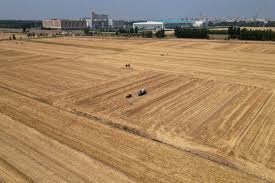
In India, where nearly 45 per cent of the population relies on agriculture for their livelihood, water scarcity is emerging as a pressing challenge. Climate change has intensified the frequency and severity of droughts, placing farmers under growing stress. Across many regions, the lack of adequate water is not only affecting crop yields but also threatening food security and rural incomes. The situation underscores the urgent need to rethink water management strategies in a country heavily dependent on agriculture.
Globally, agriculture accounts for roughly 70 per cent of freshwater withdrawals, according to the Food and Agriculture Organization. In India, this proportion is even higher in many states, where irrigation is central to farming. Traditional water sources such as rivers, lakes, and groundwater are under mounting pressure due to over-extraction, inefficient usage, and changing rainfall patterns. Groundwater depletion has emerged as a particular concern, with several regions facing alarming declines in water tables. This trend not only jeopardises irrigation for crops but also threatens drinking water supplies for rural populations.
Droughts have become more prolonged and severe, and erratic rainfall patterns exacerbate the challenge. Regions in western and central India have reported multiple instances of failed monsoons, forcing farmers to rely on scarce groundwater or face crop failure. In eastern India, excessive rainfall in some areas has led to waterlogging, damaging crops and soil health. Such extreme variability highlights the vulnerability of the agricultural sector to climate-induced water stress.
The implications of water scarcity extend beyond immediate agricultural output. Reduced water availability can increase the cost of irrigation, force shifts to less water-intensive crops, and heighten competition for limited water resources between agriculture, industry, and domestic use. Social consequences are also significant, as farmers may face income loss, debt burdens, and migration pressures.
Experts stress the importance of adopting sustainable water management practices. Techniques such as micro-irrigation, rainwater harvesting, watershed management, and crop diversification can help optimise water use. Strengthening local water governance and promoting community-based water conservation efforts are also essential.
India’s agricultural landscape is at a critical juncture, where the twin pressures of climate change and water scarcity demand innovative, large-scale solutions. Ensuring sustainable access to water for farming is vital not only for securing rural livelihoods but also for maintaining food security and economic stability. Without decisive action, the country risks compounding the challenges posed by a changing climate, leaving millions of farmers vulnerable.
Greater Noida (UP): While Dussehra is celebrated across India by burning the effigies of Ravan, Meghnad and Kumbhkaran...

Kanpur: While Vijayadashami is traditionally marked by the burning of Ravana’s effigies across the country, a temple in...

New Delhi: Global crude oil prices advanced on Tuesday, hovering near a five-month high as traders continued to...

Mumbai: Mumbai Police have recovered five empty bullet shells and two live cartridges from the site of the...

New Delhi: Mexican drug cartels are increasingly exploring local production of narcotics in India, using rented houses as...

Kolkata: Ainul Haque, a resident of Cooch Behar district in West Bengal, who has been arrested on charges...

Aries: The day will be auspicious...