Last Updated: October 12, 2026
Last Updated: October 12, 2026






The problem is not lack of investment. Over the past decade, India has poured unprecedented capital into water infrastructure under programmes like AMRUT, Smart Cities Mission, and the 15th Finance Commission’s grants. Pipes have been laid, treatment plants built, and new connections sanctioned. But while the infrastructure has expanded, the business model remained broken.
Most Indian cities continue to underprice water. Flat-rate tariffs are common, with little link to actual consumption. The metering picture is stark. In Maharashtra (2019-20) and Jharkhand (2020-21), only 58 per cent and 49 per cent of urban water connections were metered respectively — and these are relatively better performers. In Gujarat (2020-21) and Telangana (2017-18), metering coverage was below five per cent, according to Performance Assessment System data compiled by CWAS-CEPT. Cities flying this blind cannot know how much water they supply, how much they lose, or who consumes what.
The political logic is familiar. Leaders hesitate to raise rates for voters who have long been told that water is a “free right.” Without periodic tariff revisions or metering, utilities lack the funds to maintain systems. Citizens then spend privately on tankers and water filters, effectively paying twice, while municipal utilities sink further into debt.
Households with overhead tanks and 24-hour storage consume far more than families dependent on shared standposts or erratic public taps. Flat tariffs mean everyone pays the same — yet ironically benefits are unequally distributed. The implicit subsidy flows overwhelmingly upward.
In Mumbai, tanker water can cost up to 52 times the price of subsidised piped water (WRI, 2019). What is framed as free water for all ends up being expensive and unreliable water for those who need it most. True equity lies not in making water cheap, but in making it reliable.
At its core, the urban water finance crisis is a governance failure. The absence of a legal mandate for periodic tariff revisions effectively ties the hands of ULGs. A 2023 Janaagraha study found that 13 of 17 states do not mandate periodic tariff revisions in their municipal Acts and Rules.
Amidst protests in central Delhi, the Delhi Metro Rail Corporation (DMRC) announced the reopening of entry and exit...
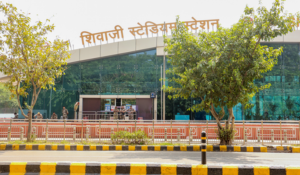
The Delhi Police has registered an FIR regarding the alleged disturbance at the Bangla Sahib Gurdwara in...

The Delhi Police on Monday removed Jantar Mantar from the list of officially designated protest sites. The police...

The Supreme Court on Monday clarified that it has not passed any judgment on the Election Commission's (ECI)...

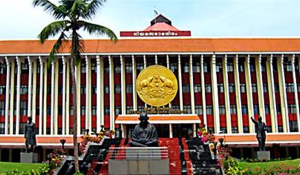
The Kerala Assembly passed a resolution demanding the removal of Chief Election Commissioner (CEC) Gyanesh Kumar from his...
Amidst heavy security and barricades by the Delhi Police, INDIA Bloc leaders began a protest march towards the...
Aries: The day will be auspicious...