Last Updated: October 15, 2026
Last Updated: October 15, 2026





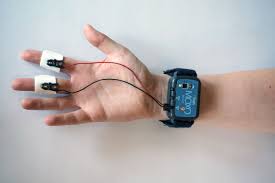
Wearable technology has long tracked physical activity, heart rate, and sleep patterns. Now, a new frontier is emerging: wearables that claim to detect emotional states in real time. These devices, ranging from wristbands to smart rings, use biometric signals—heart rate variability, skin conductance, and micro-movements—to infer stress, anxiety, or mood fluctuations. While experimental in India, they suggest profound implications for personalized mental health, productivity, and social interaction.
The technology works by combining physiological sensors with AI algorithms trained to detect emotional patterns. When stress spikes, the device can alert the wearer, suggest deep-breathing exercises, or even adjust environmental settings like lighting or music. Some applications aim to provide longitudinal mental health insights, identifying triggers and suggesting lifestyle adjustments.
For corporate wellness, these devices offer potential. Employees under chronic stress could receive early interventions, reducing burnout and improving productivity. In clinical contexts, therapists could track clients’ emotional fluctuations between sessions, creating data-driven treatment plans. Wearables could also support caregivers in monitoring vulnerable populations, such as elderly relatives or patients with depression.
Yet, concerns are substantial. Emotional data is deeply personal, raising privacy, consent, and security issues. Misinterpretation is possible: physiological signals are influenced by multiple factors, from caffeine to ambient temperature, meaning an alert might generate false anxiety rather than relief. Cultural sensitivity also matters—people may resist sharing intimate emotional metrics due to stigma or mistrust.
Despite these concerns, research suggests promise. Early studies indicate that feedback from emotion-sensing wearables can reduce stress levels when combined with interventions like mindfulness or guided therapy. Startups in India are experimenting with affordable prototypes, aiming to democratize access to real-time emotional insights.
The social implications are profound. If wearable emotion detection becomes mainstream, human communication may evolve. Conversations could be guided by objective awareness of emotional states, potentially improving empathy and reducing misunderstandings. Conversely, it could also create pressure to monitor, control, or perform emotional norms.
Mumbai Police has issued a 'Leave India' notice to Bollywood superstar Aamir Khan's nephew and actor Imran Khan....

Ram Kumar Singh, a 71-year-old retired Customs officer, was shot dead outside his home in Ara’s Kanakpuri locality....

Punjab AGTF and Haryana STF arrested Gurlal Singh in connection with Ajmeet Singh’s September 11 murder in Naushera...

Uttar Pradesh Police arrested a 28-year-old alleged criminal after an encounter in Noida’s Sector 63. Police said around...

Indian equity benchmarks opened higher on Thursday, with the Sensex rising 183.91 points and the Nifty gaining 48.60...

Union Home Secretary Govind Mohan has tendered an unconditional apology to the Supreme Court over alleged non-compliance with...

Aries: The day will be auspicious...