Last Updated: October 23, 2026
Last Updated: October 23, 2026





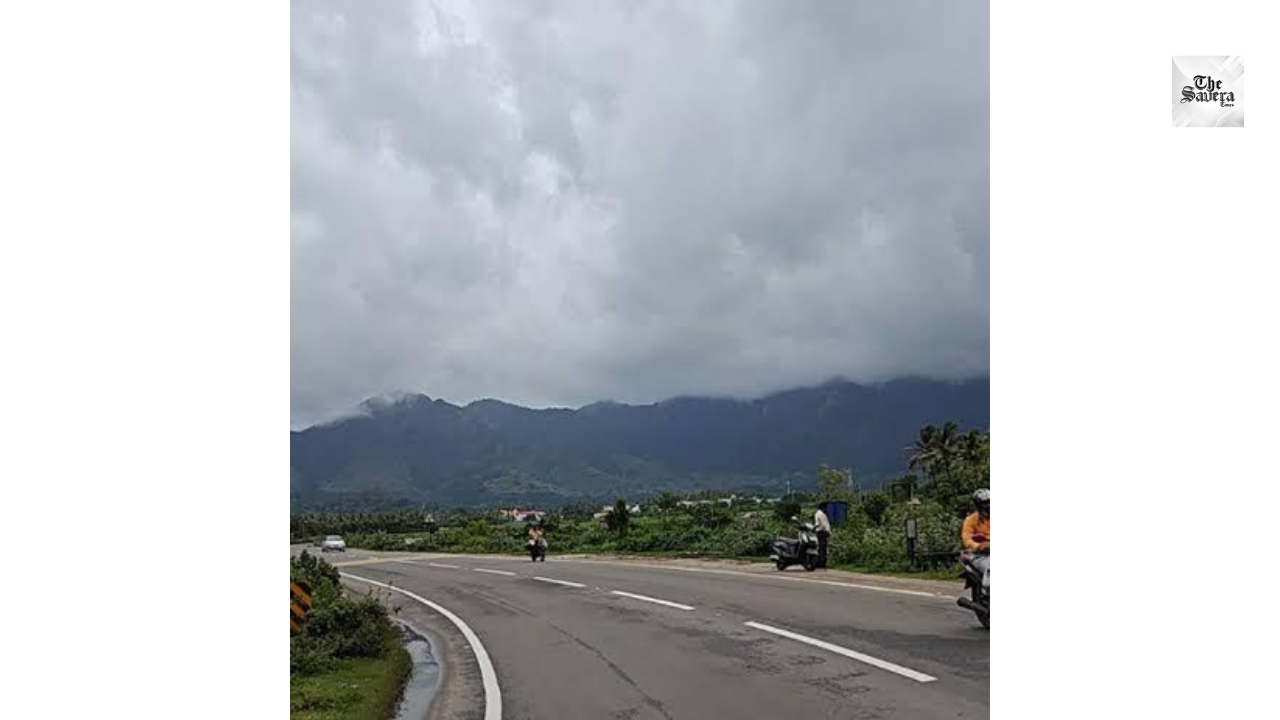
A proposed highway tunnel project that would cut through the ecologically sensitive Sengottai Gap in the southern Western Ghats has sparked concern among environmental experts and conservationists. The plan, part of the Puliyarai‑Aryankavu‑Kadampattukonam economic corridor under the National Highways Authority of India (NHAI), is intended to improve freight connectivity between Tamil Nadu and Kerala.
The highway corridor would link the eastern part of Tamil Nadu to the Kerala coast, providing a major east‑west transport route that connects NH‑744 (Kollam‑Madurai) with NH‑66 (Mumbai‑Kanyakumari). However, concerns over environmental impact have quickly risen among scientists and local activists.
The Sengottai Gap, also called Aryankavu Gap, is a rare natural break in the Western Ghats that serves as a key ecological corridor connecting forest habitats across state boundaries. The landscape links multiple protected areas, including the Kalakad‑Mundanthurai Tiger Reserve, Shendurney Wildlife Sanctuary, Periyar Tiger Reserve, and other reserves. This corridor supports movement of wildlife such as tigers, elephants, and other mammal species.
Environmental experts warn that new infrastructure could further fragment habitats that are already disrupted by existing roads and railways. Fragmentation can isolate animal populations and reduce biodiversity over time, particularly for species that rely on uninterrupted forest corridors.
The proposed highway alignment spans approximately 61.7 kilometres, with a particularly sensitive 23‑kilometre stretch between Puliyarai in Tenkasi district of Tamil Nadu and Edamon in Kerala’s Kollam district. While roughly 19 kilometres lie within Kerala and about 4 kilometres are in Tamil Nadu, sections of the route traverse reserved forests and areas close to protected zones.
To negotiate the region’s challenging terrain, plans include four tunnel segments for a four‑lane highway, with lengths ranging from about 420 metres to over 3.7 kilometres. These tunnels are intended to reduce surface disruption; however, critics say the construction itself and associated land clearance could have large ecological costs.
Conservationists have urged authorities to undertake comprehensive ecological assessments before granting any clearances. They say evaluations should account for potential long‑term effects on wildlife habitats and landscape stability. In some Western Ghats areas, landslide risk is already a concern due to steep slopes and changing rainfall patterns, and additional infrastructure could intensify pressures on fragile soils and forest ecosystems.
There are also broader worries about how road infrastructure development in the Ghats has historically impacted animal migration, forest connectivity, and biodiversity. Scientists and environmental advocacy groups often point to international research showing that breaking up continuous habitats can lead to increased roadkill, reduced species movement, and long‑term ecological imbalance.
While the project aims to boost economic connectivity and facilitate freight movement, experts argue that its environmental trade‑offs must be thoroughly examined. Some suggest alternatives such as improved existing routes or additional mitigation measures like wildlife crossings, sound barriers, and strict monitoring during construction.
The debate highlights the tension between infrastructure development and environmental protection in one of India’s most globally important biodiversity hotspots.
New Delhi: Indian women’s team top-order batter Sabbineni Meghana has announced her retirement from all the forms of...

An RTI response has revealed that two Election Commissioners raised concerns about senior official Maneesh Garg’s work allocation...
The Mumbai Crime Branch has taken a third woman into custody for questioning in the Tiger Shroff firing...

Okazaki: Indian archers brought more laurels as Paralympic champion Harvinder Singh clinched a gold medal alongside Vijay Sundi...

ITBP chief Shatrujeet Singh Kapoor says confrontations with Chinese troops are continuing at several locations along the Arunachal...

New Delhi: India wicketkeeper-batter Ishan Kishan has been ruled out of the second T20I against New Zealand due...

Aries: The day will be auspicious...