Last Updated: October 21, 2026
Last Updated: October 21, 2026





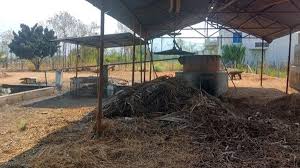
The Palmarosa-based cottage industry in Dharmapuri district is facing a severe crisis as cultivation of the aromatic crop declines sharply amid weak market demand, erratic rainfall and poor returns for farmers.
Producers say the situation has affected hundreds of small distillation units and threatens the survival of a once-thriving rural livelihood.
Palmarosa grass (Cymbopogon martinii) is traditionally cultivated in the rain-fed regions of Dharmapuri and neighbouring areas.
The grass is processed to extract Palmarosa oil, an essential oil widely used in the fragrance and cosmetics industry.
However, farmers say declining demand and the absence of a structured market have discouraged cultivation in recent years. Industry sources say the area under Palmarosa cultivation in the district has dropped significantly over the past few years, leading to a sharp fall in raw material availability for oil producers. The decline has been compounded by weak monsoons, which have affected the growth of the rain-fed crop.
Farmers have urged the Agriculture Marketing Department to intervene and ensure fair pricing and direct procurement of Palmarosa oil so that the industry can remain viable. Without government support, they fear more cultivators may abandon the crop in the coming years. Palmarosa cultivators say erratic rainfall has severely affected production.
They say last year, rainfall was extremely poor and the grass could not grow properly. Palmarosa thrives only in rain-fed lands, so without adequate rainfall the crop cannot survive. Five years ago, the cultivation area was around 1,450 acres, but now it has dropped to nearly 410 acres.
The rising cost of raw material has made oil production unviable. The price of Palmarosa grass has increased from about Rs 2,000 to Rs 3,000 per tonne. When grass was unavailable locally, the farmers travelled to Tiruvannamalai to procure it, but including transport, labour and production costs, the total expense came to nearly Rs 9,000. There are no profits left and then they stopped producing the oil.
An oil producer said around 350 to 400 small distillation units operate in Dharmapuri and neighbouring Harur, most of which depend on Palmarosa oil extraction. Most of the trade is through private buyers and middlemen.
Although the price recently increased to about Rs 4,000 per kilogram, the same oil sells for nearly double in other markets. Since there is no organised market in Tamil Nadu, farmers have little bargaining power.
It was pointed out that many distillation boilers in the district are over 40 to 50 years old and require government support for modernisation.
According to the horticulture department, several farmers have gradually shifted away from Palmarosa cultivation due to uncertain returns and fluctuating demand. Officials say the combined impact of weak monsoons and declining demand has discouraged many cultivators. Farmers could improve returns by forming Farmers Producer Groups and exploring value-added products such as incense sticks, therapeutic oils and cosmetic products.
Good Evening Viewers! Catch up on the day's biggest stories with The Savera Times Evening Bulletin. Get the...

Congress leaders continued their protest outside the Jaipur Police Commissionerate on Tuesday, demanding the registration of a zero...

On the auspicious occasion of Vijayadashami, Prime Minister Narendra Modi on Tuesday called on the countrymen to unite...

A historic milestone was achieved on Tuesday in the expansion of Chhattisgarh's rail networkA historic milestone was achieved...

Model Shraddha Dubey, one of the main accused in the death of Lucknow businessman Shiv Sharma, has been...

Rashtriya Swayamsevak Sangh (RSS) chief Mohan Bhagwat on Tuesday called for strengthening national unity, social harmony, indigenous practices...
Aries: The day will be auspicious...