Last Updated: October 16, 2026
Last Updated: October 16, 2026





~KA Shaji
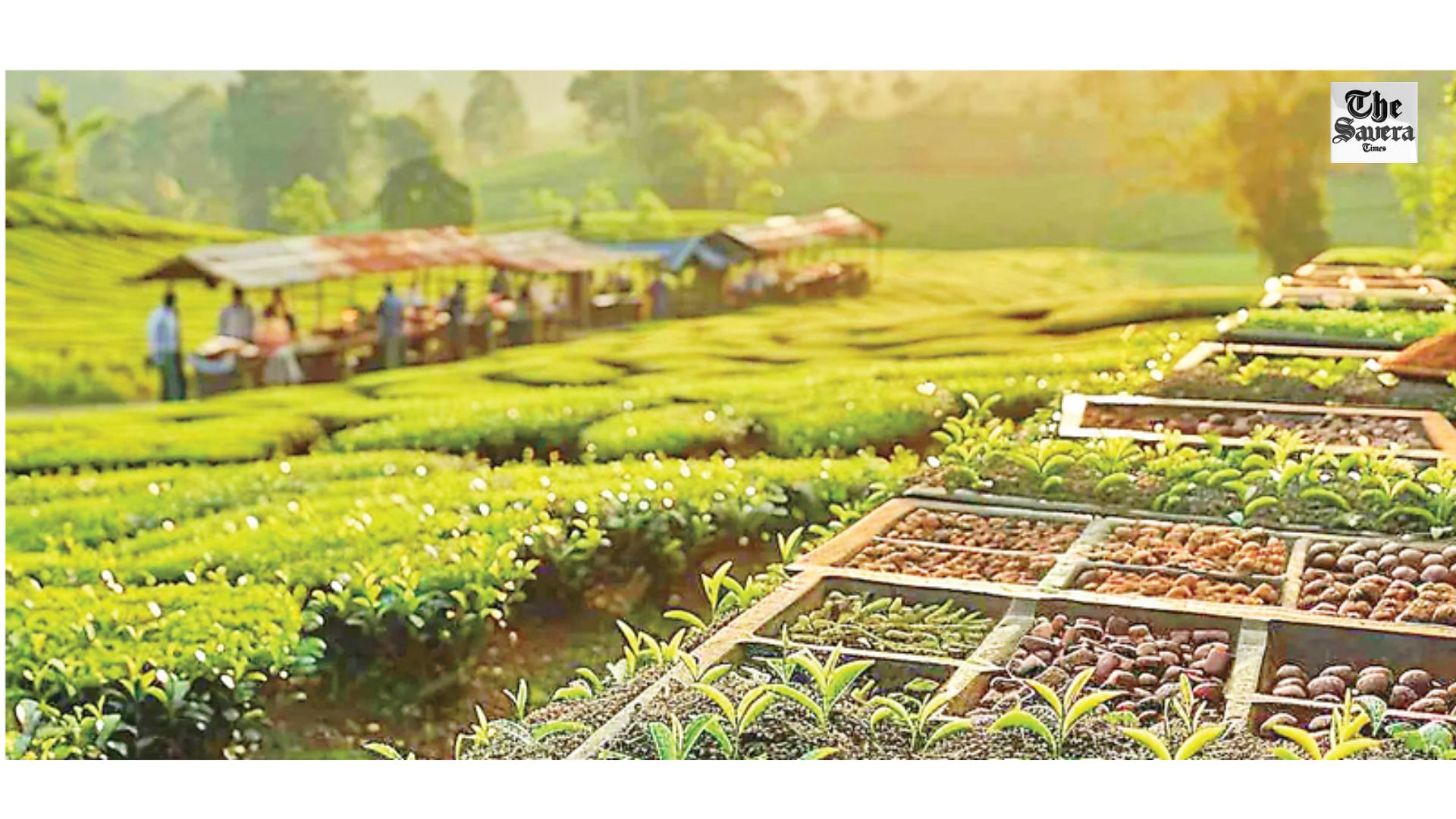
Wayanad is the name of a place in Keralam, where mist once arrived with dependable rhythm and the monsoon rarely missed its cue, farming has entered an uneasy new phase. Rains now come late or all at once. Dry spells last longer. Crops that once followed predictable cycles behave differently. Both are women from tribal communities now occupying positions of local authority in a region where indigenous knowledge has long shaped agriculture but rarely found recognition within formal governance. What began in 2019 as a farmer-led initiative of the Thirunelly Agri Producer Company Ltd (TAPCo) has evolved into a collective exercise involving scientists, civil society groups, and grassroots knowledge practitioners. The Hume Centre for Ecology and Wildlife Biology contributes climate analysis and ecological insights. The Keystone Foundation brings experience from years of engagement with tribal communities. Nattarivu Padana Kendram works to document and validate traditional knowledge systems in agriculture, food, and health. The result is not merely a technical manual, but a living document shaped by science, memory, observation, and generations of farming experience. Structured from April to March, the calendar maps farming practices for Wayanad’s major crops including paddy, tubers, vegetables, coffee, and pepper. But it goes beyond listing cultivation activities. It aligns farm operations with lunar cycles while also providing alerts on possible extreme weather events each month. A farmer reading the calendar in June or October is not just looking at sowing schedules but also the likelihood of intense rainfall, dry spells, or temperature stress. Equally important is the space it creates for farmers to record their own observations. Rainfall patterns, pest attacks, soil behaviour, and changes in crop response all find a place in its pages. Over time, these notes accumulate into a body of localised climate data that formal systems often fail to capture. In many ways, the calendar functions as a grassroots action research tool. For many, the calendar represents not just an agricultural tool but also a way of reclaiming dignity and continuity in farming. It is reshaping the structure of seasons themselves. Rainfall is becoming more intense but less evenly distributed. Dry periods are extending. Pest cycles are shifting with temperature changes. Traditional indicators farmers once relied on are becoming less reliable because the environment they were attuned to is itself changing. For Wayanad’s farmers, the impact is already visible. Paddy cultivation has steadily declined due to labour shortages, wildlife incursions, erratic rainfall, and poor returns. Coffee and pepper plantations, the backbone of the district’s cash economy, are increasingly vulnerable to temperature fluctuations and disease outbreaks. Tubers and vegetables face challenges from climate variability and soil degradation.
Varanasi: A massive explosion triggered the collapse of a two-storey building in Uttar Pradesh’s Varanasi on Thursday, leaving...

Sofia: A vessel sailing under the flag of San Marino caught fire in the Black Sea near Romania...

New Delhi: Accusing the Congress of double-speak on women dignity, the Bharatiya Janata Party (BJP) Mahila Morcha on...

New Delhi: NITI Aayog’s Frontier Tech Hub released a Data Centre Evaluation Framework to help states plan for...
New Delhi: The Supreme Court on Thursday referred the cheque dishonour cases against actor and comedian Rajpal Yadav...

Mirzapur: Uttar Pradesh Chief Minister Yogi Adityanath on Thursday accused the Samajwadi Party (SP) and the Congress of...

Aries: The day will be auspicious...